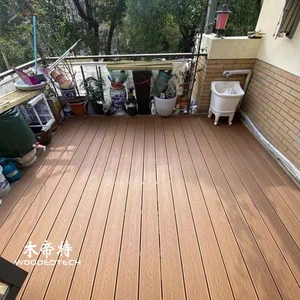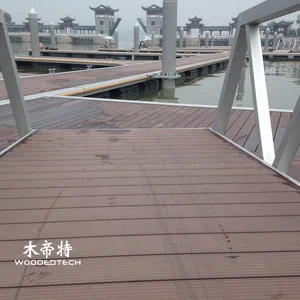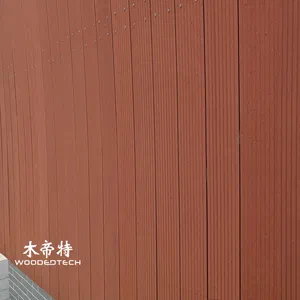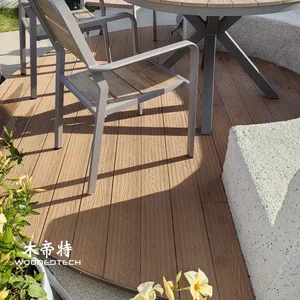
Eco-Friendly recycled cladding Solutions for Modern Exteriors
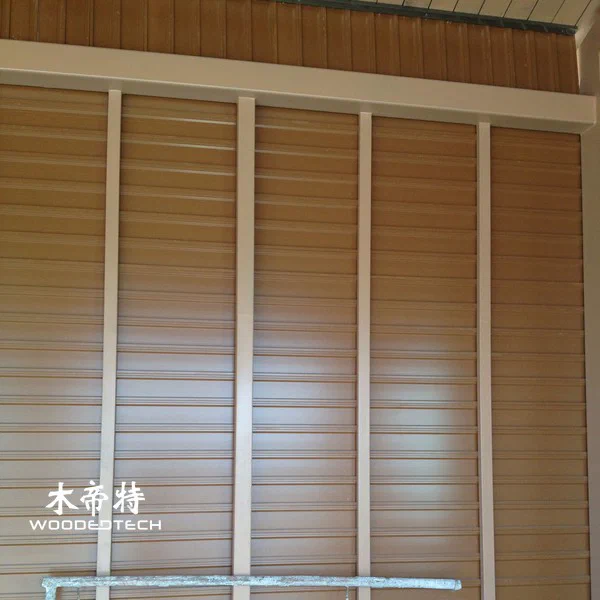
Recycled cladding gives modern exteriors a cleaner environmental profile without sacrificing performance. For architects, contractors, and project buyers, it offers a practical way to reduce material waste, improve weather resistance, and keep maintenance costs under control. In commercial and industrial builds, that balance matters as much as appearance.
Why recycled cladding works for today’s projects
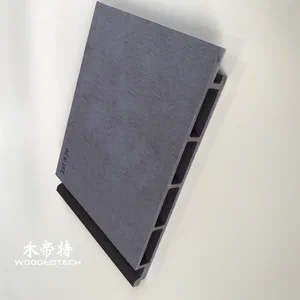
Recycled cladding is typically made from wood plastic composite or similar engineered materials that reuse recovered plastic and wood fibers. That makes it a strong fit for projects that need durable exterior finishes with a lower reliance on virgin raw materials. Compared with traditional timber, it is less prone to rotting, cracking, and warping, which helps buildings stay presentable in demanding environments.
It is also designed for real-world site conditions. Many recycled cladding systems are UV resistant, moisture resistant, and suitable for long-term outdoor use. That makes them useful for façades, boundary walls, service buildings, retail exteriors, and mixed-use developments where visual consistency and predictable performance are important.

Benefits for B2B buyers
For procurement teams, the value goes beyond sustainability claims. Recycled cladding can simplify lifecycle planning because it generally needs less repainting, sealing, or replacement than natural wood. That means lower maintenance downtime and fewer unexpected service calls after handover.
Key advantages include:
- Consistent appearance across large surface areas
- Better resistance to rain, sunlight, and temperature changes
- Reduced maintenance compared with untreated timber
- Availability in multiple textures, colors, and profiles
- Compatibility with modern exterior design systems
It also supports specification flexibility. Many suppliers offer recycled plastic wood cladding and wood plastic composite wall panel options for vertical applications, making it easier to match a project’s design language while keeping material choices more sustainable.
Where it fits best
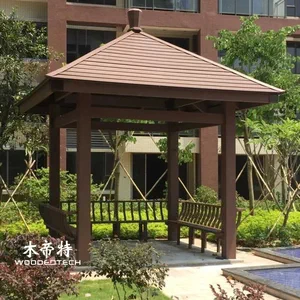
Recycled cladding is especially effective on buildings that need a modern, clean finish with reliable outdoor durability. It is commonly used on office façades, warehouse front elevations, hospitality entrances, residential developments, and retail units that want a warmer, more premium look than metal alone can provide.
In addition, recycled cladding pairs well with other sustainable composite building products such as exterior wall panel systems, louvers, and decorative screens. This helps create a coordinated exterior package for projects that require both branding value and technical performance.
What to check before specifying
Before choosing a product, buyers should confirm the material composition, fire performance requirements, fixing method, and warranty terms. For large orders, it is also worth reviewing color consistency, batch control, and installation support. A reliable wpc factory or oem wood plastic composite supplier should be able to provide technical data, samples, and guidance for project use.
FAQ
Q: What is recycled cladding made from? A: It is usually made from recovered plastic and wood fiber blended into an engineered exterior material. This combination improves durability while reducing waste.
Q: Is recycled cladding suitable for commercial buildings? A: Yes, it is widely used on commercial exteriors because it offers stable performance, modern appearance, and lower maintenance needs.
Q: Does recycled cladding need much upkeep? A: It usually requires only basic cleaning, making it a practical option for projects that want a low-maintenance exterior finish.