
Eco-Friendly Recycled Cladding for Modern Exterior Wall Systems | China Factory
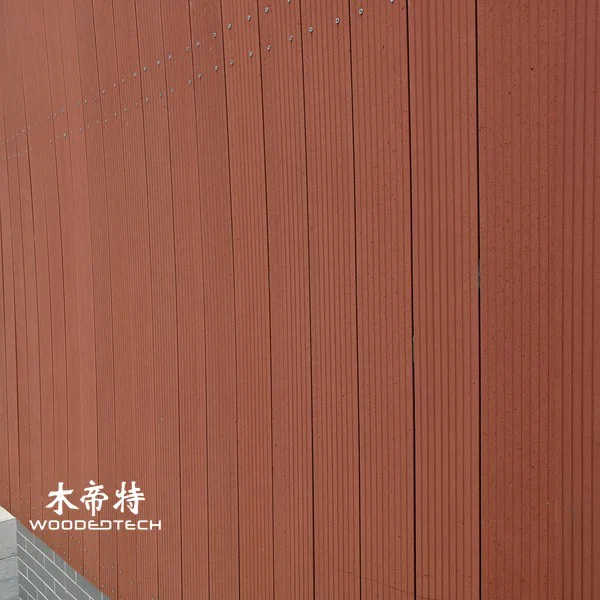
Eco-friendly recycled cladding is becoming a practical choice for modern exterior wall systems because it combines durability, low maintenance, and a cleaner material story. For builders, developers, and distributors, it offers a consistent way to improve facade performance while supporting sustainability goals and factory-direct sourcing from China.

Why Recycled Cladding Fits Modern Exterior Wall Projects
Exterior wall systems need to do more than look good. They must resist weather, keep maintenance costs under control, and perform reliably across different climates and project types. Recycled cladding meets these needs by using reclaimed plastic and wood fiber content, often processed into stable profiles that suit commercial facades, residential developments, and public buildings.
For B2B buyers, the appeal is straightforward. Recycled cladding helps meet green building expectations without forcing a tradeoff in appearance or usability. It can be produced in wood-look textures, modern linear profiles, and custom dimensions that fit contemporary architectural design.

What Recycled Cladding Is Made Of
Recycled cladding is typically produced from a blend of recycled plastic polymers and wood fibers, with additives that improve UV resistance, color stability, moisture resistance, and surface performance. The exact formulation depends on the target application, whether it is used for exterior wall cladding, facade accents, or decorative screening.
Common material advantages include:
- Recycled content that supports sustainability goals
- Stable performance in outdoor environments
- Resistance to moisture, mold, and decay
- Broad range of colors and finishes
- Compatibility with modern wall system designs
Some manufacturers also offer co-extruded or capped surfaces for additional protection. These surfaces help reduce fading, staining, and surface wear, which is useful for large projects that need a long service life with minimal upkeep.
Benefits for Exterior Wall Systems
Recycled cladding is not only about environmental messaging. It delivers measurable value in the field and over the full lifecycle of a project.
Durable in Harsh Conditions
Exterior walls are exposed to sun, rain, temperature swings, and pollution. Recycled cladding is engineered to handle these conditions better than untreated timber. When properly specified, it maintains shape and appearance with fewer repairs.
Lower Maintenance Demand
Many project owners want finishes that do not require regular painting, sealing, or sanding. Recycled cladding supports that need. Routine cleaning is usually enough, which reduces maintenance labor and long-term ownership cost.
Consistent Appearance
Natural wood can vary from batch to batch, especially across large orders. Recycled cladding offers better color consistency and profile uniformity, which matters for hotels, commercial complexes, housing communities, and branded retail developments.
More Sustainable Procurement
Using recycled content helps reduce reliance on virgin resources. For developers working toward ESG targets or green certification goals, recycled cladding can contribute to material selection strategies aligned with sustainability reporting.
Common Applications in B2B Projects
Recycled cladding is widely used across sectors where performance and presentation both matter. Typical applications include:
- Commercial facades
- Residential exterior wall systems
- Hospitality and resort buildings
- Office and mixed-use developments
- Public facilities and community architecture
- Decorative feature walls and screening systems
In many projects, the cladding is paired with matching accessories such as trim profiles, corner pieces, and fastening systems. This improves installation efficiency and creates a more finished result.
Choosing the Right Profile and Finish
The best recycled cladding product depends on the project environment, design intent, and installation method. Buyers should consider more than just price.
Key selection factors include:
- Profile type: flat, grooved, fluted, or 3D textured
- Surface treatment: embossed, brushed, capped, or co-extruded
- Color stability: especially for high-UV regions
- Fire performance requirements: based on local code and project spec
- Expansion behavior: important for long wall runs and temperature changes
- Mounting system compatibility: hidden clip, screw-fixed, or batten-based
Architectural trends have also increased demand for layered facade effects. Profiles such as 3d wpc wall cladding and co-extrusion wall panel options can create more depth and a premium visual appearance without moving to high-cost natural materials.
Why China Factory Supply Matters
For importers, contractors, and wholesale distributors, factory-direct supply from China can improve price control and product customization. A capable wpc factory can support large-volume orders, branded packaging, and private-label development for regional markets.
This matters because exterior wall projects often require:
- Stable supply for phased construction
- Custom lengths and colors
- Bulk pricing for distributors
- Technical documents for bids and approvals
- OEM or private label production options
A strong china factory partner should also offer product testing data, installation guidance, and reliable lead times. Buyers should ask about raw material ratios, surface treatment methods, and quality control procedures before placing volume orders.
Installation Considerations for Better Performance
Even high-quality cladding can underperform if installed poorly. Exterior wall systems need proper substrate preparation, ventilation gaps, and fastening details to manage expansion and drainage.
Basic installation priorities include:
- Use a flat, secure substructure
- Allow for thermal movement
- Follow recommended spacing and fixing methods
- Maintain drainage and ventilation behind panels
- Seal edges and terminations according to the system design
For large commercial jobs, it is often helpful to standardize panel sizes and installation accessories early in the design phase. This reduces waste, speeds up labor, and improves consistency across the site.
Buying Tips for Distributors and Project Specifiers
When sourcing recycled cladding, product samples alone are not enough. B2B buyers should evaluate the supply chain as carefully as the material itself.
Look for a supplier that can provide:
- Technical datasheets and test reports
- Project references or case studies
- Clear MOQ and lead time information
- Customization options for colors and dimensions
- Reliable after-sales support
- Export packaging suitable for long-distance shipping
If your market requires a specific aesthetic, request multiple finishes before finalizing. Modern facade projects often compare recycled cladding against metal panels, fiber cement, or wood-look alternatives, so visual presentation matters as much as technical performance.
Market Outlook
Demand for eco-friendly exterior materials continues to grow as developers seek lower-maintenance products with stronger sustainability credentials. Recycled cladding fits that direction well because it solves practical problems while supporting modern design language.
For importers and project suppliers, the strongest opportunities are in mid- to large-scale developments where durability, visual consistency, and procurement efficiency all matter. China factory production makes it possible to serve those markets with competitive pricing, customized profiles, and repeatable quality.
FAQ
Q: Is recycled cladding suitable for all climates? A: It performs well in most outdoor environments, but the exact formulation should match local UV exposure, temperature range, and moisture conditions.
Q: How does recycled cladding compare with natural wood? A: It usually requires less maintenance, resists decay better, and offers more consistent color and profile uniformity than natural wood.
Q: Can recycled cladding be used on commercial buildings? A: Yes. It is commonly used on commercial facades, mixed-use buildings, hospitality projects, and public structures.
Q: Does recycled cladding support custom branding? A: Many factory suppliers in China offer OEM and private-label services, including custom colors, finishes, and packaging.
Q: What should buyers check before placing a bulk order? A: Buyers should confirm material composition, surface treatment, installation method, test reports, lead time, and packaging standards.
Related Products
 B1409.5 Siding WPC Exterior Boards Provide Waterproof Insect Resistant and Durable Outdoor Wall Solutions
 D14025-3 cheapest composite decking with classic redwood color provides reliable outdoor flooring performance proven over time
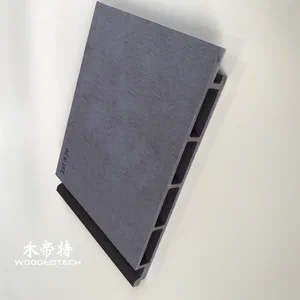 Q22520 Classic Economical Recycled Plastic Wall Panels for Affordable Exterior Applications