
Eco-Friendly Composite Decking Boards for Sustainable Outdoor Living
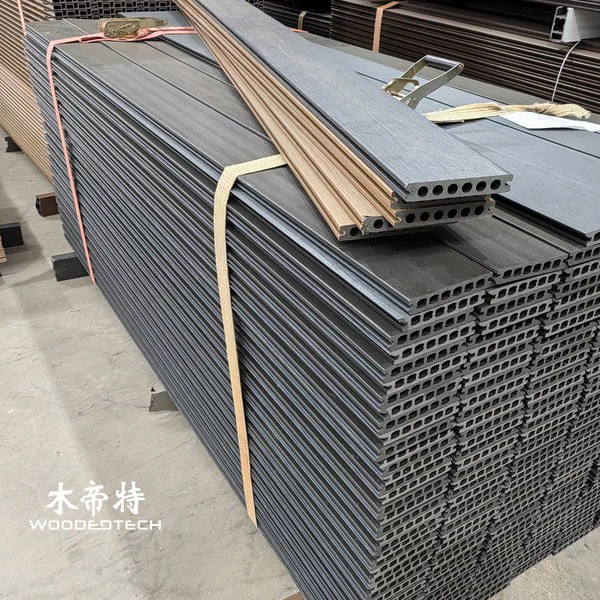
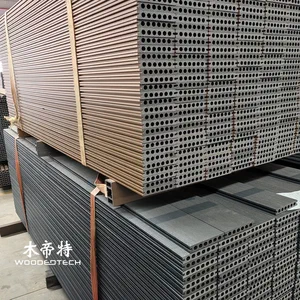
Eco-friendly composite decking boards give commercial buyers a practical way to build durable outdoor spaces with lower maintenance and better material efficiency. Made from wood plastic composite or capped WPC systems, they are designed for projects that need consistent performance, stable appearance, and dependable supply.
Why Composite Decking Fits Sustainable Projects
For B2B buyers, sustainability is not just about recycled content. It also depends on service life, replacement cycles, and how much upkeep a material requires over time. Composite decking boards support that goal because they resist rot, splintering, and moisture-related damage better than untreated timber, which helps reduce waste from early replacement.
Many product lines also use recycled wood fiber and recycled plastic, turning recovered materials into usable building products. When sourced from a reliable manufacturer, these boards can deliver a more predictable specification for residential developments, hospitality terraces, public walkways, and landscape projects.
Performance That Supports Long-Term Value
Composite decking is valued because it balances appearance and function. Capped composite decking boards add a protective outer layer that improves stain resistance and color retention, while grooved or embossed surfaces can improve grip in wet outdoor conditions. That makes them suitable for pool surrounds, balconies, rooftop decks, and high-traffic seating areas.
Buyers also look closely at installed cost, not just unit price. Compared with wood, composite decking typically reduces ongoing labor for sanding, sealing, and repainting. For contractors, developers, and distributors, that lower maintenance profile can be a strong selling point when total lifecycle cost matters more than initial purchase cost.

What B2B Buyers Should Specify
Choosing the right board means matching material grade to project use. Key points to review include:
- Capped or uncapped surface construction
- Board thickness, length, and profile
- Slip resistance and weather performance
- Color consistency across batches
- Load requirements for commercial traffic
- Supplier capacity, lead time, and OEM support
A trustworthy partner should be able to provide technical data, sample boards, and clear installation guidance. For export buyers, stable packaging and container loading efficiency also matter, especially when managing mixed orders or regional distribution.
Meeting Market Demand for Outdoor Living
Demand for sustainable outdoor living products keeps growing in housing, hospitality, and landscape supply channels. Composite decking boards fit that demand because they present a clean, modern look while aligning with procurement goals around durability and responsible material use. For wholesalers and project specifiers, they offer a flexible product category that can be positioned across mainstream, premium, and commercial segments.
FAQ
Q: Are composite decking boards environmentally friendly? A: They can be, especially when made with recycled wood fiber and recycled plastics. Their long service life also helps reduce replacement waste.
Q: Can composite decking be used for commercial outdoor projects? A: Yes. It is widely used for terraces, walkways, pool areas, and hospitality spaces where durability and low maintenance are important.
Q: What should buyers check before sourcing composite decking? A: Confirm surface type, load rating, slip resistance, color stability, and the manufacturer’s quality control and export capability.
Related Articles
Related Products
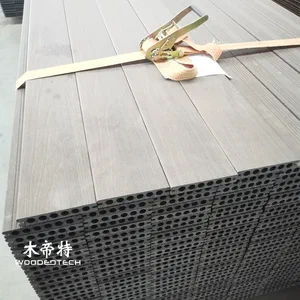
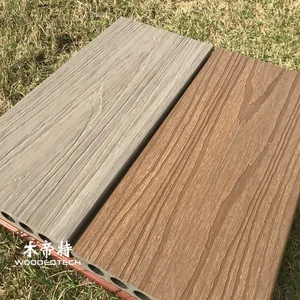
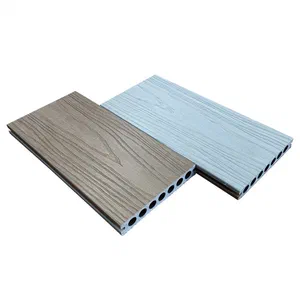 GD14521 Capped Composite Decking Boards Feature a Premium Round Hole Design with Two Colors and Two Usable Surfaces for Outdoor Applications
 B1409.5 Siding WPC Exterior Boards Provide Waterproof Insect Resistant and Durable Outdoor Wall Solutions
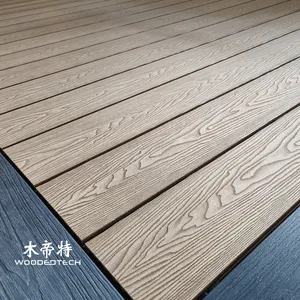
 GD13825 Capped Composite Decking Boards Feature Rich 3D Texture and Thick Co Extrusion Layer for Elegant Outdoor Spaces