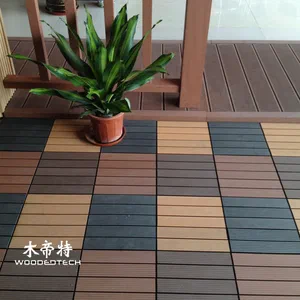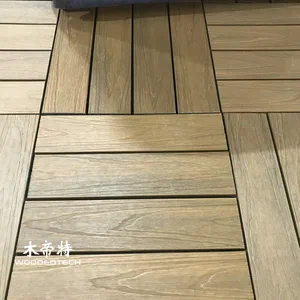
Easy-Install Decking Composite Tiles - Interlocking Outdoor Flooring Solutions
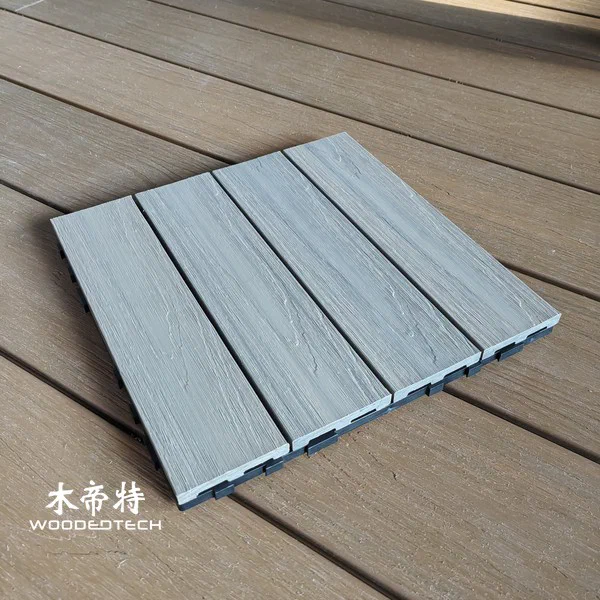
Easy-install decking composite tiles provide a practical interlocking flooring solution for commercial projects, outdoor retail spaces, hospitality venues, and property developments. They combine fast installation, low maintenance, and consistent appearance, making them a strong choice for buyers who need reliable exterior flooring with minimal downtime.

What Makes Interlocking Composite Deck Tiles Different
Interlocking decking composite tiles are modular floor units designed to snap or lock together over a prepared surface. Unlike traditional fixed decking systems, they can be installed quickly without complex subframes, adhesives, or specialized tools in many applications. That makes them especially useful for projects where speed, flexibility, and reduced labor cost matter.
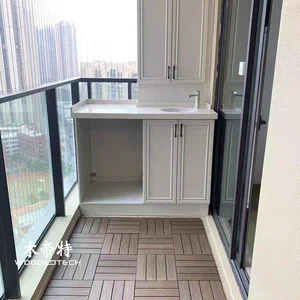
For industrial and B2B buyers, the appeal is straightforward: the tiles help streamline installation while still delivering a professional, finished look. They are commonly used on balconies, rooftops, terraces, pool surrounds, temporary exhibition areas, and outdoor walkways. Because the system is modular, damaged sections can be replaced individually, which can simplify long-term maintenance planning.
Why Buyers Choose Composite Tile Flooring
Composite tiles are made from wood plastic composite materials or similar engineered blends that are designed for outdoor use. They are valued for their balance of appearance and performance. Compared with natural wood, they are generally more resistant to moisture-related issues, splintering, and warping, which is important in exposed environments.

- Fast installation with interlocking edges
- Low maintenance compared with timber
- Stable appearance in high-traffic areas
- Better moisture resistance than untreated wood
- Easy replacement of individual tiles
- Suitable for many commercial outdoor applications
For buyers managing multiple sites, the ability to standardize flooring across locations is a practical benefit. Consistent sizing and color matching can support large-scale procurement and simplify inventory control.
Typical Commercial Applications
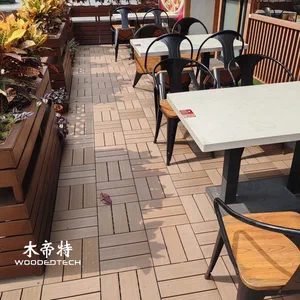
Decking composite tiles are used across a wide range of business environments. In hospitality, they can improve the look and usability of outdoor dining zones, lounge areas, and pool decks. In retail and exhibition settings, they offer a clean modular surface that can be installed for seasonal or promotional use. In residential development, they are often specified for balconies, rooftop terraces, and shared amenity spaces.
Common applications include:
- Hotel terraces and courtyard seating areas
- Restaurant patios and outdoor dining decks
- Apartment balconies and rooftop decks
- Pool surrounds and leisure zones
- Temporary event flooring
- Showroom and exhibition flooring
- Garden paths and commercial landscaping
Because they are modular, they are also suitable for retrofit projects where full deck reconstruction would be too disruptive or expensive. This is particularly useful for properties that need to minimize closure time.
Installation Advantages for B2B Projects
The “easy-install” advantage is one of the main reasons buyers specify interlocking decking composite tiles. The tiles are often designed to connect directly to one another, which reduces the need for labor-intensive fastening systems. In many cases, installation can be completed in phases, helping facilities remain operational during upgrades.
That said, good results still depend on proper site preparation. The substrate should be level, stable, and suitable for exterior use. Drainage matters as well, especially for pool decks, rooftops, and other areas exposed to standing water. Even a simple modular system performs better when the base is properly planned.
For procurement teams, this means installation time is only one part of the value equation. The real benefit comes from reducing total project disruption, labor requirements, and long-term maintenance demands.
Performance Factors to Review Before Buying
Not all composite tiles are specified the same way. Buyers should compare product details carefully before placing bulk orders or selecting a supplier for a commercial project.
Important factors include:
- Tile thickness and structural strength
- Surface texture and slip resistance
- Color consistency between batches
- UV resistance for sun-exposed areas
- Water drainage design beneath the tile
- Fire and compliance requirements where applicable
- Load performance for foot traffic and furniture use
For outdoor commercial flooring, slip resistance is especially important. Areas around pools, kitchens, entrances, and wet-weather walkways may need a more textured finish to improve safety. If the flooring is for a branded or premium venue, aesthetics matter too, including grain pattern, edge detail, and color tone.
Composite Tiles vs Traditional Wood Decking
Compared with wood decking, composite tile systems are easier to deploy and often simpler to maintain. Wood can offer a natural look, but it usually requires more ongoing care, including sealing, staining, and periodic repairs. In contrast, composite flooring is designed to hold up better under regular outdoor exposure.
For commercial buyers, this often translates into lower lifecycle cost. The initial purchase price may be higher than some basic timber options, but the savings can appear in reduced maintenance, fewer replacements, and less labor over time. That is why many buyers evaluate the total project cost rather than only the material price per square meter.
Composite tiles are also useful where consistent appearance is required across multiple installation phases. Timber can vary significantly in grain, color, and movement; modular composite flooring provides a more uniform finish.
Procurement and Supply Considerations
When sourcing decking composite tiles for export or bulk supply, buyers should assess more than appearance and pricing. Factory capacity, quality control, packaging method, and lead time can all affect project success. If the order is for a large development or multi-site rollout, supply reliability becomes just as important as product performance.
Questions worth asking a supplier include:
- Are the tiles manufactured for commercial or residential use?
- What is the recommended installation base?
- Can the supplier provide test reports or compliance documents?
- Are color and surface finish stable across production batches?
- Is the product available for OEM or private label supply?
- What is the minimum order quantity for bulk orders?
A strong supplier should be able to support product selection, technical clarification, and export packaging requirements. For overseas buyers, clear communication about dimensions, loading, and container planning can prevent delays and avoid costly order mismatches.
Design and Branding Flexibility
Another advantage of composite tile flooring is its design flexibility. Commercial projects often need flooring that fits a specific visual identity, whether the goal is a warm timber look, a modern dark finish, or a neutral tone that supports surrounding architecture. Modular tiles make it easier to adapt to different project themes without redesigning the full substructure.
This is useful for:
- Hospitality brands that want consistent outdoor presentation
- Real estate developers standardizing amenity areas
- Retail chains rolling out similar exterior spaces
- Contractors looking for repeatable specifications across projects
In many cases, buyers also request coordinated outdoor products such as railing, cladding, or screening to create a unified exterior design. That makes composite materials attractive for broader project packages, not just flooring alone.
FAQ
Q: Are decking composite tiles suitable for heavy foot traffic? A: Yes, many are designed for commercial foot traffic, but buyers should confirm load performance, thickness, and surface durability before specifying them.
Q: Can interlocking composite tiles be installed over existing flooring? A: In many cases, yes, as long as the base is level, stable, and suitable for outdoor use. Site conditions should always be checked first.
Q: Do composite deck tiles need special maintenance? A: They usually require only basic cleaning with water and mild detergent, making them easier to maintain than many timber flooring options.
Q: Are these tiles good for wet areas like pool decks? A: They can be suitable for wet areas if the product has the right slip resistance and drainage design for that application.
Q: Can suppliers provide bulk or project-based orders? A: Yes, many manufacturers support wholesale, OEM, or project supply for commercial buyers and export markets.