
Durable Recycled Plastic Decking Boards for Outdoor Patios & Commercial Projects
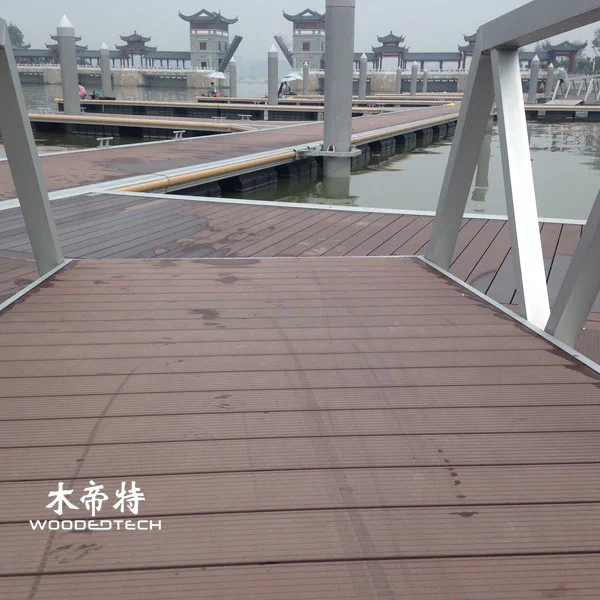
Recycled plastic decking boards give industrial buyers a durable, low-maintenance surface for patios, walkways, rooftops, and commercial outdoor spaces. They are designed to handle heavy foot traffic, moisture, and changing weather while reducing the upkeep associated with traditional timber.

Why Recycled Plastic Decking Boards Are Gaining Demand
For B2B projects, material choice is not only about appearance. It affects service life, maintenance planning, safety, and total project cost. Recycled plastic decking boards are widely used because they combine practical performance with a cleaner environmental profile than many conventional outdoor flooring options.
Unlike natural wood, recycled plastic decking does not absorb water in the same way, so it is less likely to rot, swell, or splinter. That makes it especially attractive for public spaces, hospitality venues, industrial courtyards, and commercial patios where durability matters every day.
The material also supports sustainability goals. Buyers looking for eco-friendly exterior wpc products, recycled plastic wood decking, or sustainable composite building products often compare performance, appearance, and lifecycle value before placing bulk orders.
What Recycled Plastic Decking Boards Are Made For
These boards are engineered for outdoor use in projects where reliability is essential. Common applications include:
- Hotel and restaurant patios
- Shopping center terraces
- Resort boardwalks and pool surrounds
- Office break areas and rooftop decks
- Public seating zones and pedestrian pathways
- Commercial garden and landscape projects
For these environments, material consistency is important. Recycled plastic decking boards offer a uniform surface that helps contractors and developers standardize installations across multiple sites.

Performance Benefits for Commercial Projects
A strong decking specification should reduce risk over time. Recycled plastic decking boards deliver several advantages that matter in commercial procurement.
Moisture and weather resistance
Outdoor installations are exposed to rain, humidity, UV, and temperature swings. Recycled plastic decking is built to cope with those conditions better than untreated wood. It does not require frequent sealing, staining, or painting, which lowers maintenance labor and ongoing service costs.
Slip resistance and safer use
Safety is a major concern for public-facing projects. Many recycled plastic decking products are produced with textured surfaces that improve grip underfoot. This is useful in wet areas such as pool decks, entrances, and shaded patios where moisture can build up.
Long service life
Commercial buyers often evaluate total cost of ownership rather than upfront price alone. A deck board that lasts longer and demands less upkeep can be more economical over time than a cheaper option that needs regular repair or replacement.
Stable appearance
Color consistency and finish matter in branded environments such as resorts, retail complexes, and franchise sites. Recycled plastic decking boards can provide a more predictable look than natural timber, which may vary from board to board.
Recycled Plastic Decking vs Wood
Many buyers compare recycled plastic decking with timber before selecting a product. Wood can deliver a classic appearance, but it usually requires more frequent care and is more vulnerable to moisture and insect damage.
Recycled plastic decking boards are often preferred when the project calls for:
- Lower maintenance
- Better moisture resistance
- Reduced splintering
- More consistent color and surface quality
- Longer outdoor service life
For some projects, wood may still be appropriate where a natural finish is the top priority. But for high-traffic commercial spaces, recycled plastic decking often offers a stronger balance of durability and operational efficiency.
Key Points to Check Before Ordering
Not all decking products are the same. Before sourcing in bulk, buyers should review technical and commercial details carefully.
- Board profile: solid or hollow construction affects weight, strength, and installation needs
- Surface finish: embossed or grooved textures can improve slip resistance
- UV resistance: important for color retention in direct sunlight
- Load-bearing performance: relevant for commercial decks and elevated platforms
- Expansion behavior: important for installation spacing and long-term stability
- Color options: useful for matching architectural or branding requirements
- Warranty terms: a useful indicator of supplier confidence
For large projects, it is also smart to request sample boards and technical data sheets before final approval.
Installation Considerations for Contractors
Recycled plastic decking boards are generally straightforward to install, but proper planning still matters. Substructure design, fastening method, ventilation, and expansion gaps all affect final performance.
Contractors should confirm:
- Recommended joist spacing
- Compatible fastening systems
- End gap and side gap requirements
- Drainage conditions beneath the deck
- Edge finishing details for commercial safety and appearance
A well-prepared installation helps avoid common issues such as surface movement, trapped moisture, or uneven board alignment. For procurement teams, choosing a supplier that understands wood plastic composite decking installation and project support can reduce site risk.
Sourcing for Wholesale and Project Supply
Commercial buyers usually need more than a product catalog. They need stable supply, repeatable quality, and practical support. When comparing suppliers, look for a partner that can handle wholesale orders, custom sizes, color matching, and project-based delivery schedules.
An experienced wood plastic composite decking manufacturer can help with:
- Bulk production capacity
- Consistent batch quality
- Technical specifications for bids and tenders
- Custom lengths or profiles
- Packaging for export and site delivery
This matters especially for hospitality groups, landscape contractors, and distributors that manage multiple installations across different regions.
Where Recycled Plastic Decking Boards Fit Best
These boards are especially effective in projects where appearance, durability, and maintenance control all matter at once. Typical use cases include:
- Commercial patios that see daily foot traffic
- Outdoor dining areas needing easy cleaning
- Balcony and rooftop spaces exposed to weather
- Public parks and shared community zones
- Industrial facilities with exterior walkways
For these settings, recycled plastic decking boards provide a practical surface that supports long-term use with fewer maintenance interruptions.
FAQ
Q: Are recycled plastic decking boards suitable for commercial use? A: Yes. They are widely used in commercial patios, public walkways, hospitality spaces, and other outdoor areas that need durable, low-maintenance flooring.
Q: Do recycled plastic decking boards require sealing or painting? A: No. Most products are designed for minimal maintenance and do not need regular sealing, staining, or painting like timber.
Q: Are they slip resistant? A: Many recycled plastic decking boards are manufactured with textured surfaces that improve grip, especially useful in wet outdoor areas.
Q: Can recycled plastic decking boards be used near pools? A: Yes, many are suitable for pool decks and wet zones, but buyers should confirm the product’s slip resistance and drainage requirements.
Q: What should buyers check before placing a bulk order? A: Review board profile, UV resistance, load performance, installation requirements, color options, and warranty terms before confirming procurement.
Related Articles


Related Products
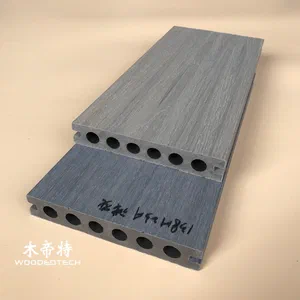 GD13823 Composite Decking Material Features Six Small Round Holes to Reduce Weight While Maintaining Structural Strength
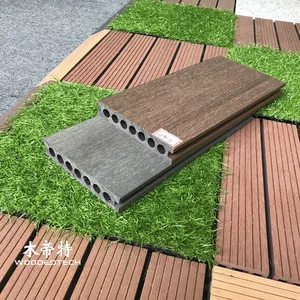 GD13823-2 Wood Versus Composite Decking Features Seven Round Holes with Wood Grain and Brushed Textures on Opposite Sides
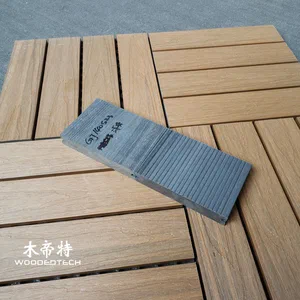 GD14023S Composite Deck Materials Feature a Solid Structure and Side Grooves for Better Adaptability in Extremely Cold Climates