
Do composite deck boards shrink? Understanding Expansion & Contraction
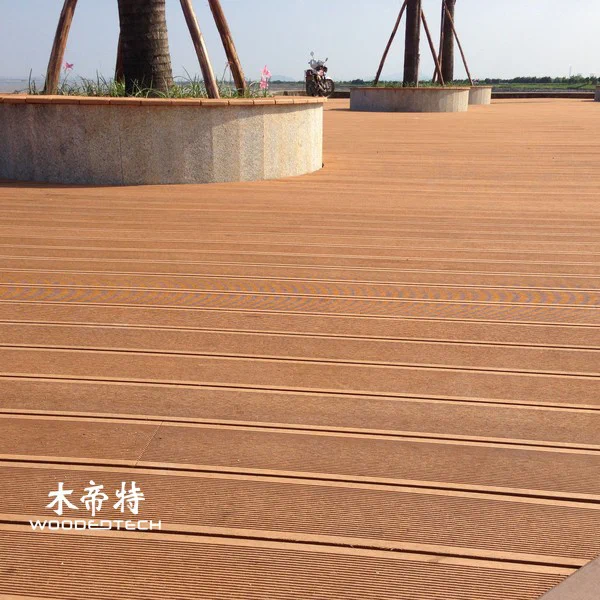
Composite deck boards do not usually shrink in the way solid wood does, but they do move slightly with temperature and moisture changes. For buyers, contractors, and distributors, the real issue is understanding expansion and contraction so boards are installed with the correct spacing and fastening system.
How composite boards behave
Composite decking is made from wood fiber and polymer, so it reacts differently than natural timber. When temperatures rise, boards expand a little; when they cool, they contract. This movement is normal and expected, and it is one reason why composite deck boards should never be installed tight end-to-end.
The amount of movement depends on the product formula, board profile, color, and climate. Darker boards can heat up more in direct sun, and hollow profiles may behave differently from solid boards. Moisture absorption is usually much lower than wood, but small dimensional changes can still happen, especially during seasonal shifts.

Why installation matters
Most complaints about “shrinking” are actually installation issues. If installers ignore manufacturer spacing rules, gaps can open or close too much, creating a deck that looks uneven or stressed. Proper joist spacing, hidden fasteners, and end-gap allowance help the deck move naturally without visible defects.
For B2B projects, this matters at scale. A small tolerance problem on one terrace becomes a larger warranty or maintenance issue across an apartment complex, hotel, or commercial site. That is why bulk buyers should always request technical data sheets and installation guidance before ordering.
What buyers should check
Before specifying composite deck boards, verify:
- thermal expansion rate
- recommended gap sizes
- allowable joist spacing
- capped or uncapped surface type
- color stability and heat buildup
- local climate exposure
Suppliers should also confirm whether the product is designed for coastal humidity, extreme sun, or freeze-thaw conditions. These details affect long-term appearance and dimensional stability more than marketing claims do.
Practical takeaway for trade buyers
Composite decking is valued because it stays more stable than wood while offering lower maintenance and better consistency in supply. Still, it is not dimensionally static. Buyers who understand expansion and contraction can reduce callbacks, improve installation quality, and choose products that perform better in real-world projects.
If you are sourcing for distribution, retail, or contract supply, ask for installation tolerances, sample testing results, and application photos from similar projects. Those details tell you more than a product name alone.
FAQ
Q: Do composite deck boards shrink after installation? A: They usually do not shrink significantly, but they can contract slightly in cooler conditions. Most visible gaps come from normal thermal movement or incorrect installation spacing.
Q: How much do composite deck boards expand and contract? A: It depends on the material blend, profile, and color, so there is no single number for every product. Always follow the supplier’s technical guide for exact allowances.
Q: How can buyers reduce movement issues? A: Choose a proven product, follow the specified fastening system, and leave the recommended end gaps. Correct joist spacing and acclimation also help keep the deck stable.
Related Articles
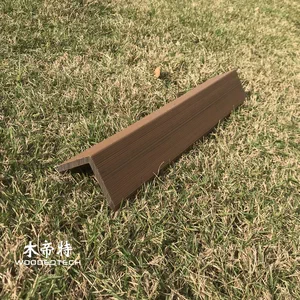
Related Products
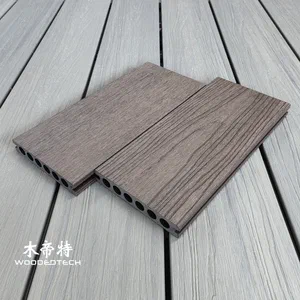 3DGD13823 Second Generation 3D Embossed Rosewood Composite Balcony Decking Delivers Ultra Realistic Wood Grain Texture and a Premium Natural Wood Experience
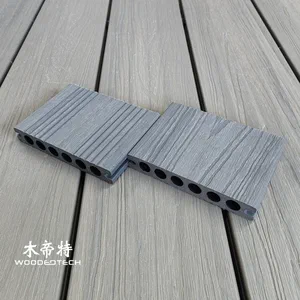 GD13823-3 Light Grey Premium Co Extrusion WPC Composite Decking Offers LG Texture and Excellent UV Resistance for Outdoor Spaces
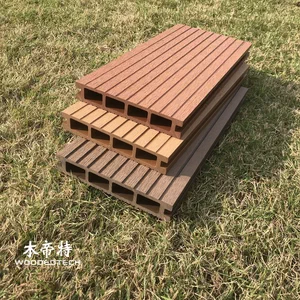 D14025-3 Square Hole Double Sided Grooved WPC Board Factory Producing Outdoor Decking Boards With Good Slip Resistance