
DIY Composite Decking Guide for Easy Outdoor Deck Installation
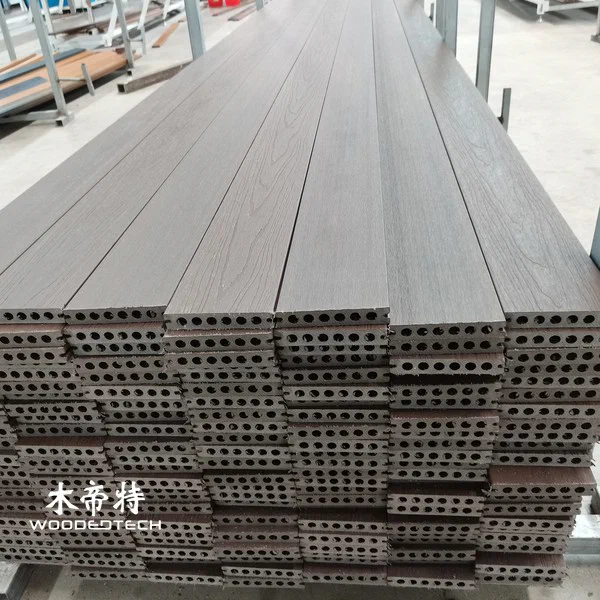
DIY composite decking is a practical option for contractors, distributors, and project teams that want faster installation with lower maintenance demands. Using the right composite decking system can reduce labor time, improve consistency, and deliver a cleaner finish on outdoor deck projects.
Why DIY Composite Decking Works for Commercial Projects
Composite decking is designed for straightforward handling, stable performance, and reliable appearance across repeated installations. For B2B buyers, that means fewer site complications than traditional timber, especially when dealing with moisture exposure, fading risk, or frequent maintenance calls. Many product lines also come in capped surfaces, which improve stain resistance and long-term durability.
The material is commonly supplied in standardized boards that work with hidden clips, joists, and matching trims. That makes planning easier for installers and helps distributors offer a complete outdoor flooring package rather than a single product. For projects that value speed, a well-matched decking system can simplify both procurement and labor scheduling.
Basic Installation Approach
A solid substructure is the starting point. Composite boards still need proper joist spacing, drainage, and ventilation beneath the deck, so the base must be level and fixed correctly before boards are laid. Skipping this step can lead to surface movement, poor alignment, and reduced service life.
Typical installation steps include:
- Preparing and leveling the frame
- Checking board direction and expansion gaps
- Fixing starter clips and hidden fasteners
- Cutting boards cleanly with standard carpentry tools
- Installing edge trims and finishing pieces
For commercial buyers sourcing materials, it helps to choose boards with clear installation instructions and compatible accessories. That reduces error on site and makes it easier for distributors to support installers with a complete system.
What Buyers Should Check Before Ordering
Not every composite board performs the same. Buyers should compare board density, surface treatment, slip resistance, and warranty terms, especially for outdoor retail, hospitality, or public-use decks. Color stability matters too, because visible fading can affect the appearance of showrooms, terraces, and entrance areas.

It is also worth reviewing load requirements and local climate conditions. In hot, wet, or coastal environments, a product with good weather resistance and low water absorption is usually a safer choice. For larger orders, consistent production quality and reliable supply are often more important than choosing the lowest-priced board.
A Smarter Fit for B2B Sourcing
DIY composite decking is not only for homeowners. It gives contractors a faster install path, helps wholesalers expand outdoor product lines, and supports project-based buyers looking for a durable, easy-to-manage flooring solution. When sourced from a stable manufacturer, it can deliver predictable results across multiple sites.
FAQ
Q: Is composite decking difficult to install? A: It is generally simpler than hardwood decking because the boards are uniform and often use hidden fastening systems. Proper framing and expansion spacing still matter.
Q: What makes composite decking suitable for commercial buyers? A: It offers low maintenance, stable appearance, and repeatable installation results. Those features are useful for distributors, contractors, and project developers.
Q: Do composite decks need special tools? A: Most jobs can be completed with standard saws, drills, and fastening tools. A clean cut and correct clip system are more important than specialized equipment.
Related Articles
Related Products
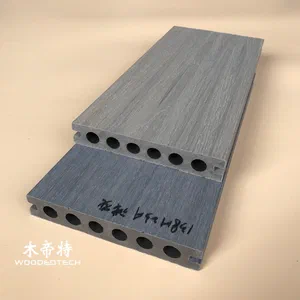 GD13823 Composite Decking Material Features Six Small Round Holes to Reduce Weight While Maintaining Structural Strength
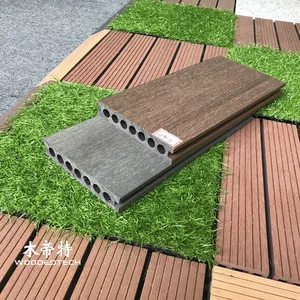 GD13823-2 Wood Versus Composite Decking Features Seven Round Holes with Wood Grain and Brushed Textures on Opposite Sides
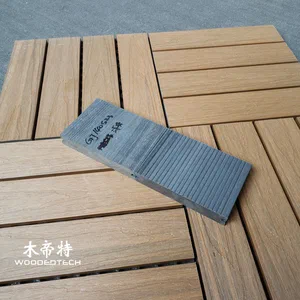 GD14023S Composite Deck Materials Feature a Solid Structure and Side Grooves for Better Adaptability in Extremely Cold Climates