
Disadvantages Of Composite Decking Help Buyers Better Understand Product Features and Limitations

Outdoor WPC (Wood Plastic Composite) decking offers an alternative to traditional materials like natural wood, aluminum, and other exterior options. Understanding the disadvantages of composite decking is crucial for buyers to make informed decisions about their outdoor projects. This analysis covers the advantages and disadvantages of outdoor WPC in comparison to other materials, including maintenance requirements and lifecycle costs.
Advantages of Outdoor WPC
WPC decking is often praised for its durability and resistance to environmental factors. Unlike natural wood, it does not warp, splinter, or require frequent sealing and staining. Additionally, WPC is resistant to pests like termites and does not fade as quickly as traditional timber.
- Low upkeep: Requires minimal maintenance compared to natural wood.
- Eco-friendly: Made from recycled materials.
- Aesthetic options: Available in various colors and textures to mimic wood.
Disadvantages of Outdoor WPC
Despite its benefits, WPC has its drawbacks. One significant disadvantage is its initial cost, which can be higher than that of traditional wood. While it does not require regular sealing, it can be prone to scratching and may not have the same natural appearance as wood, which some homeowners prefer.
- Higher upfront cost: Initial investment can deter some buyers.
- Aesthetic limitations: May not match the look and feel of real wood.
- Temperature sensitivity: Can become hot underfoot in direct sunlight.
Maintenance Requirements
WPC decking generally requires less maintenance than traditional wood, which needs regular staining and sealing. Cleaning can be done with soap and water, but homeowners should avoid harsh chemicals that can damage the finish. In contrast, aluminum and traditional wood may require more rigorous maintenance, including repainting or refinishing.

- WPC: Simple cleaning with soapy water; no sealing necessary.
- Natural wood: Needs regular staining and sealing to prevent decay.
- Aluminum: Requires periodic cleaning to maintain appearance.
Lifecycle Costs
When evaluating lifecycle costs, outdoor WPC can be a cost-effective option over time despite its higher initial price. The durability and low maintenance needs often lead to lower overall costs compared to traditional timber, which can incur more expenses for repairs and upkeep. Aluminum may have a longer lifespan but can also be more expensive upfront and in installation.
- WPC: Higher initial cost, but lower long-term maintenance costs.
- Traditional wood: Lower initial cost but higher long-term maintenance costs.
- Aluminum: High initial and maintenance costs.
FAQ
Q: How does WPC compare to natural wood in terms of durability?
A: WPC is generally more durable than natural wood, as it is resistant to warping, splintering, and pests.
Q: Is WPC environmentally friendly?
A: Yes, WPC is made from recycled materials, making it a more eco-friendly option compared to traditional timber.
Q: What maintenance does WPC decking require?
A: WPC decking requires minimal maintenance, typically just a simple cleaning with soap and water.
Related Articles
 4.8 Meter Composite Decking Boards Provide Long Board Options for Professional Outdoor Installations
 Picture Frame Composite Deck Creates Elegant Border Designs for Premium Outdoor Flooring Projects
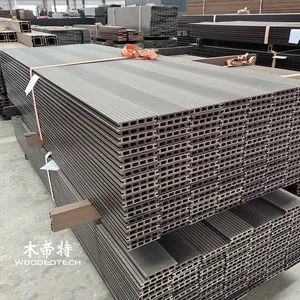 What are the disadvantages of composite decking? An Honest Guide
 5m Long Composite Decking Boards Reduce Installation Joints for Spacious Outdoor Deck Areas
Related Products
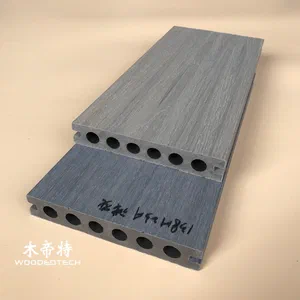 GD13823 Composite Decking Material Features Six Small Round Holes to Reduce Weight While Maintaining Structural Strength
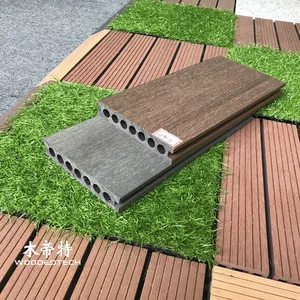 GD13823-2 Wood Versus Composite Decking Features Seven Round Holes with Wood Grain and Brushed Textures on Opposite Sides
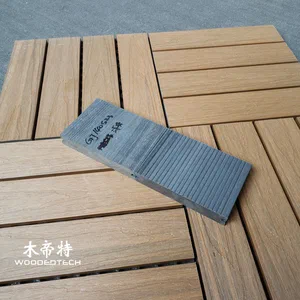 GD14023S Composite Deck Materials Feature a Solid Structure and Side Grooves for Better Adaptability in Extremely Cold Climates