
Difference Between Grooved And Square Composite Decking
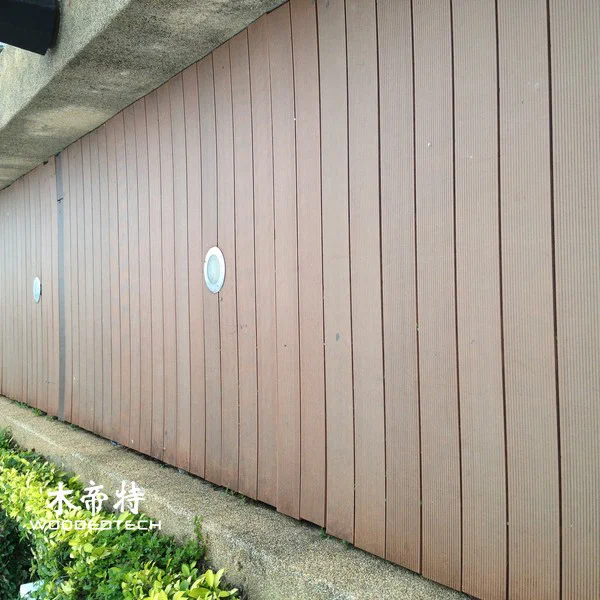
The choice between grooved and square composite decking can significantly influence the performance, durability, and aesthetic appeal of outdoor spaces. Understanding the differences between these two styles is crucial for making an informed decision that aligns with specific project requirements.
Grooved Composite Decking
Grooved composite decking features a channel along the edges, designed for hidden fasteners. This design allows for a clean, seamless appearance, which is often preferred in modern landscaping. The grooves accommodate clips or fasteners that secure the boards to the substructure, minimizing visible hardware.
One of the primary advantages of grooved decking is its ease of installation. The hidden fastener system not only enhances the visual appeal but also protects the fasteners from exposure to the elements, reducing the risk of rust and corrosion over time. This contributes to the longevity and durability of the decking. Additionally, the design can be beneficial in terms of maintenance, as it can help prevent water accumulation on the surface, reducing the likelihood of mold and mildew growth.
Square Composite Decking
In contrast, square composite decking features straight edges without grooves. This type of decking is generally easier to work with for DIY projects, as it can be installed using standard screws, making it a more straightforward option for less experienced installers. The square edge allows for a more traditional look, which can be appealing in various design contexts.
Square decking can also be more versatile in terms of aesthetics. It can be cut and shaped to fit specific design needs, allowing for creative patterns and layouts. However, one downside is that exposed fasteners can become vulnerable to the elements, potentially leading to rust and deterioration over time if not properly maintained.
Performance and Durability Considerations
When evaluating the performance of grooved versus square composite decking, several factors come into play, including material composition, environmental exposure, and maintenance requirements. Grooved decking, with its hidden fasteners, offers better protection against moisture ingress, which can be critical in humid climates. The absence of visible screws also means less wear on the surface, contributing to better long-term aesthetics.
Conversely, square decking may require more frequent maintenance due to exposed fasteners. It is essential to consider the specific environmental conditions where the decking will be installed. For instance, areas with high rainfall or humidity may benefit more from the advantages of grooved decking.
Quality Control in Manufacturing

To ensure high-quality composite decking products, strict quality control measures must be in place at the manufacturing level. Key components that should be inspected include:
- Material Composition: Verify the quality of wood powder, HDPE/PVC polymers, additives, pigments, and modifiers. Each component must meet specific industry standards to enhance durability and weather resistance.
- Physical Properties: Test for tensile strength, impact resistance, and thermal expansion. These properties are crucial for determining how well the decking will perform in various conditions.
- Surface Treatment: Assess the finishing process to ensure that the decking has adequate UV resistance and is less prone to fading, warping, or cracking.
- Dimensional Consistency: Ensure that the dimensions of the decking boards are consistent to facilitate proper installation and minimize waste.
Regular audits and adherence to international quality standards can help maintain product integrity and customer satisfaction.
Choosing between grooved and square composite decking ultimately depends on specific project needs, aesthetic preferences, and environmental considerations. Proper inspection and adherence to quality standards during manufacturing will ensure the selected decking performs well over time and meets customer expectations.
Related Articles
 Grooved Composite Decking for Attractive Outdoor Deck Flooring and Residential Garden Projects
 Composite Decking with Hidden Fasteners: Benefits and Installation Guide
 WPC Flooring Prices for Outdoor Decking Projects Residential Gardens and Commercial Applications
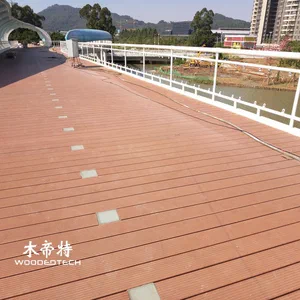 Cheapest Composite Decking Material
Related Products
 GD13820 M Shape Co Extruded Composite Deck Planks Feature a Special Profile Design for Distinctive Outdoor Decking Applications
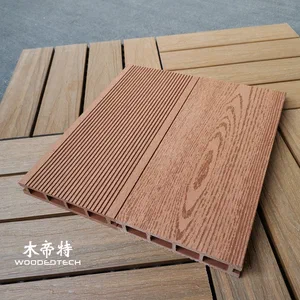 The Classic D14025-4 Red Wood WPC Wood Sheet Features a Timeless 2D Flat Wood Grain Design That Remains Popular After Twenty Years
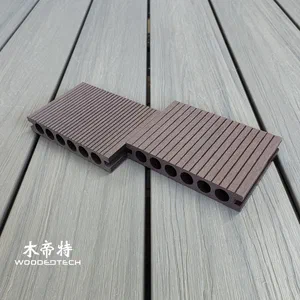 The D14025-6 Composite Decking 2 x 4 Features a Practical Walnut Design with Double-Sided Large and Small Grooves for Versatile Outdoor Applications