
Difference Between Grooved And Square Composite Decking
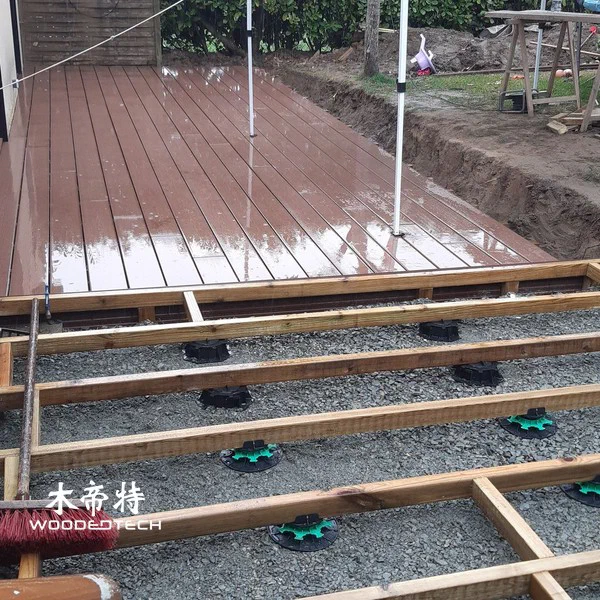
Composite decking has gained popularity as an alternative to traditional wood, particularly in outdoor applications. Among the options available, grooved and square composite decking stand out due to their unique installation and aesthetic characteristics. Understanding the differences between these two types can help you make an informed choice for your next project.
Grooved Composite Decking

Grooved composite decking features a channel or groove along the edges of the boards. This design allows for hidden fasteners, which lend a cleaner appearance to the deck surface. The absence of visible screws or nails can create a more polished and modern look. Additionally, because the fasteners are hidden, there is less risk of splintering or damage to the boards.
One of the main advantages of grooved decking is its ease of installation. The hidden fastening system simplifies the process, making it quicker for contractors and DIY enthusiasts alike. This type of decking is particularly beneficial for expansive areas where a seamless appearance is desired.
However, grooved composite decking may require specific tools and fasteners, which can add to initial costs. Furthermore, since the grooves can trap dirt and debris, regular cleaning is essential to maintain the deck’s appearance.
Square Composite Decking
Square composite decking, on the other hand, has a traditional flat edge without grooves. This type of decking allows for surface fastening, which not only provides a solid hold but also offers versatility in installation. Square boards can be used in conjunction with various fastening systems, including surface screws, which can be beneficial for repairs or replacements.
The main advantage of square composite decking lies in its durability and resistance to warping. The straightforward design allows for the use of various fastening techniques, making it easier to replace individual boards if necessary. Additionally, square boards tend to be less expensive upfront due to simpler manufacturing processes.
Despite these benefits, square composite decking may not achieve the same sleek appearance as its grooved counterpart. Visible fasteners can detract from the overall look, and installation may take slightly longer, particularly for DIY projects.
Maintenance and Lifecycles
Both grooved and square composite decking materials are designed to be low maintenance compared to traditional wood. They resist fading, staining, and mold, requiring only occasional cleaning with soap and water. However, the maintenance needs may vary based on the specific materials and finishes used.
In terms of lifecycle costs, composite decking generally presents a higher initial investment than natural wood. However, the reduced maintenance costs and longevity of composite materials often balance out this expense over time. Composite decking can last 25 years or more, depending on the quality and brand, significantly outpacing the lifespan of traditional timber.
Conclusion
Ultimately, the choice between grooved and square composite decking will depend on your specific requirements and aesthetic preferences. Grooved decking provides a modern, seamless look with easier installation, while square decking offers versatility and durability. Both options are excellent choices for outdoor spaces, but understanding their differences can help you select the best fit for your project.
Related Articles
 Difference Between Grooved And Square Composite Decking
 Finding the Cheapest Composite Decking Boards: A Comprehensive Guide for 2023
 Scalloped vs Solid Composite Decking: Key Differences for Commercial Applications in 2023
 Grooved Composite Decking for Attractive Outdoor Deck Flooring and Residential Garden Projects
Related Products
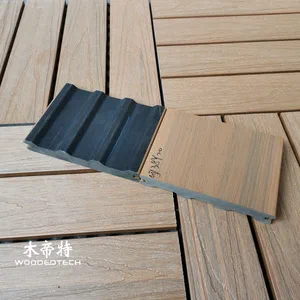 GD13820 M Shape Co Extruded Composite Deck Planks Feature a Special Profile Design for Distinctive Outdoor Decking Applications
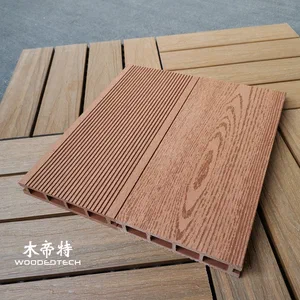 The Classic D14025-4 Red Wood WPC Wood Sheet Features a Timeless 2D Flat Wood Grain Design That Remains Popular After Twenty Years
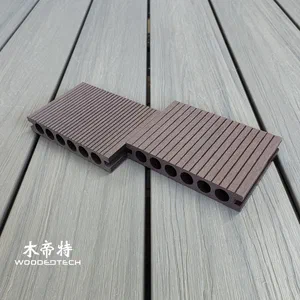 The D14025-6 Composite Decking 2 x 4 Features a Practical Walnut Design with Double-Sided Large and Small Grooves for Versatile Outdoor Applications