
Decorative WPC panel for wall: Transform Your Interior and Exterior
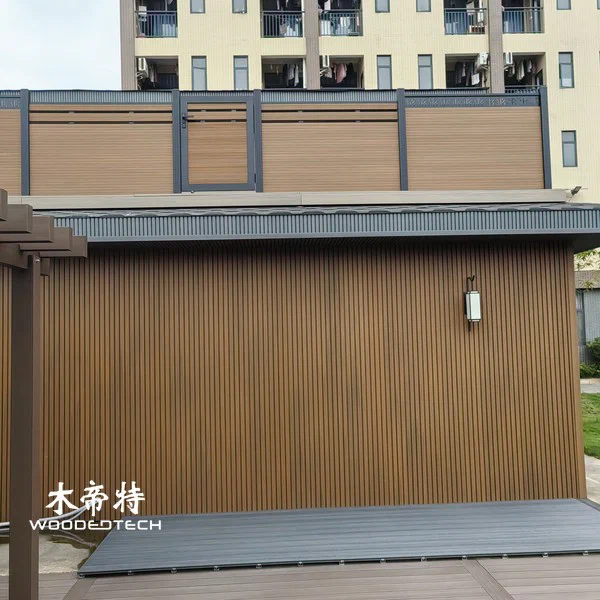
Decorative WPC panel for wall is a practical way to upgrade both interior and exterior spaces with a cleaner finish, stable performance, and lower maintenance than traditional timber. For contractors, distributors, and project buyers, it offers a balanced mix of design flexibility, durability, and cost efficiency.
Why buyers choose decorative WPC wall panels
WPC wall panels combine wood fibers and polymer materials to create a surface that looks refined while handling daily wear more effectively than natural wood. They are widely used in commercial interiors, hotel lobbies, retail facades, office feature walls, and residential exteriors where appearance and long service life both matter.
For B2B buyers, the main advantage is consistency. Each panel delivers uniform color, profile, and texture, which helps simplify large projects and improve installation results. Compared with painted wood or fragile decorative boards, WPC reduces issues linked to cracking, warping, and frequent refinishing.

Interior and exterior application value
A decorative WPC panel for wall works well across different environments because it supports design variety without demanding complex upkeep. Indoors, it can create warm accent walls, reception backdrops, corridor features, or ceiling-wall transitions with a modern wood-grain effect. Outdoors, it performs as a dependable layer for facade upgrades, entrance walls, balcony surfaces, and sheltered exterior zones.
Key advantages include:
- Moisture resistance for humid or semi-exposed spaces
- UV-stable options for color retention
- Easy cleaning with standard maintenance routines
- Multiple profiles, including fluted and 3D designs
- Better project uniformity for bulk orders
These qualities make WPC especially suitable for developers, contractors, and importers looking for a product that supports both aesthetics and operational efficiency.
What to evaluate before sourcing
When selecting WPC wall panels, buyers should review thickness, surface treatment, installation method, and application environment. A panel designed for indoor decoration may not be the right choice for full exterior exposure, so matching the product to the project is essential. It is also wise to confirm the supplier’s production consistency, packaging standards, and available customization options.
For large-scale procurement, ask about color stability, fire-performance requirements where applicable, and whether the product is intended for vertical cladding only or broader exterior use. A reliable supplier should provide technical specifications, clear installation guidance, and stable lead times for repeat orders.
A smart fit for modern projects
Decorative WPC panels help project teams deliver a premium look without the maintenance burden of natural timber. They support fast installation, repeatable quality, and a broad range of architectural styles, making them a strong option for commercial and residential developments alike. For buyers serving international markets, they also offer an attractive combination of design appeal and practical value.
FAQ
Q: Where can decorative WPC wall panels be used? A: They are suitable for feature walls, facades, lobbies, corridors, balconies, and other decorative vertical surfaces. The exact use depends on the panel’s exposure rating and specification.
Q: Are WPC wall panels suitable for outdoor use? A: Yes, many are designed for exterior applications, especially in sheltered or semi-exposed areas. For full outdoor exposure, choose a product with UV resistance and weather-tested performance.
Q: What should B2B buyers ask suppliers before ordering? A: Confirm panel size, surface finish, installation method, and suitability for the intended environment. It also helps to request samples and technical data before placing bulk orders.
Related Articles
Related Products
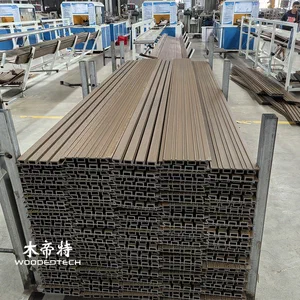
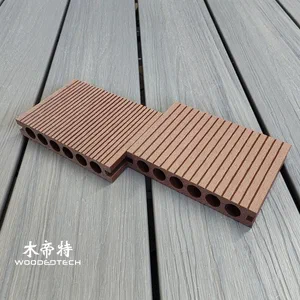 D14025-5 First Generation Large And Small Groove Redwood Color WPC Panel Material With Popular Outdoor Appearance
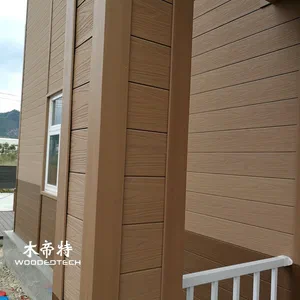
 B14011 WPC Paneling Sheets Feature Double Flat Surfaces with Heat Pressed Wood Grain Designs for Outdoor Styles
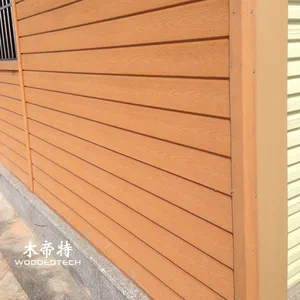
 B17010 Plastic Wood Look Siding Provides Decorative Thin Boards for Modern Outdoor Wall Applications