
Decking Composite Decking: A B2B Guide to Materials and Market Trends
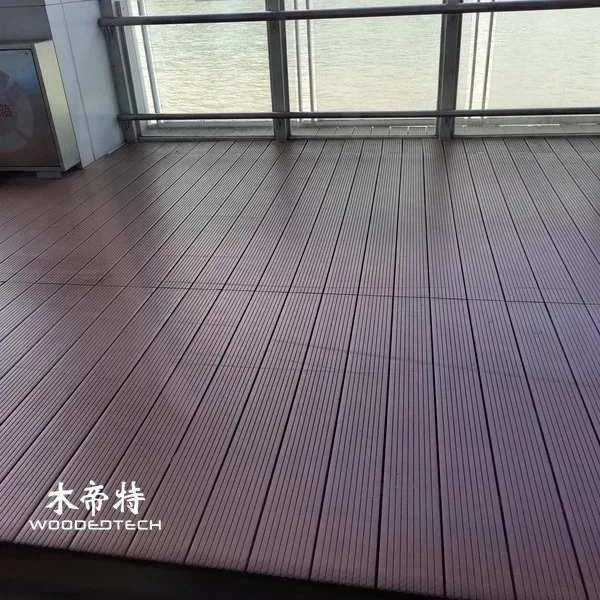
Composite decking is gaining ground in global outdoor construction as developers, distributors, and contractors seek durable alternatives to traditional timber. Made from wood fibers and thermoplastics, wood plastic composite (WPC) decking combines a natural wood appearance with reduced maintenance requirements. For B2B buyers, understanding material options, regional demand, product innovation, and supply chain requirements is essential to identifying profitable opportunities.
Material Options and Product Differentiation

The composite decking market includes uncapped, capped, and co-extruded products. Uncapped boards generally offer a lower purchase price, making them suitable for budget-sensitive residential projects. Capped composite decking features a protective outer layer designed to improve resistance to moisture, stains, fading, and everyday wear. Co-extrusion technology adds another layer of performance and visual consistency, making these boards attractive for premium residential developments, hospitality venues, and commercial outdoor spaces.
Material selection affects product lifespan, installation requirements, pricing, and warranty expectations. Buyers should evaluate recycled content, polymer composition, slip resistance, UV stability, load-bearing performance, and dimensional consistency rather than comparing prices alone. Reliable technical documentation and tested performance claims can help importers reduce product risks and build customer confidence.
Global Market Trends and Regional Demand
Demand for composite decking is supported by outdoor living projects, urban residential development, tourism infrastructure, and renovation activity. In North America, homeowners and contractors value low-maintenance decking for patios, balconies, and pool surrounds. European buyers increasingly examine material traceability, durability, and environmental performance, although requirements differ by country and application.
In Australia and other Asia-Pacific markets, outdoor entertaining areas, residential construction, and hospitality projects offer opportunities for composite decking suppliers. Meanwhile, emerging markets can provide growth potential as modern landscaping and commercial outdoor facilities become more common. Actual demand and pricing vary with construction cycles, import duties, distribution networks, and local building regulations, so exporters should validate opportunities country by country.
Opportunities Across Outdoor Building Materials
Composite decking can serve as an entry point to a broader outdoor product portfolio. Distributors and project contractors can expand into WPC wall cladding, composite fencing, pergolas, privacy screens, railing systems, and landscape products such as planters and benches. Coordinated product ranges help buyers source compatible materials for complete outdoor spaces while increasing order value.
Future opportunities are particularly promising in premium surface finishes, realistic wood-grain textures, coordinated colors, modular deck tiles, and customized profiles. Manufacturers offering OEM production, private-label services, flexible order quantities, and dependable lead times can differentiate themselves in competitive export markets. Recycled raw materials and designs that improve service life may also strengthen positioning, provided sustainability claims are supported by credible evidence.
What B2B Buyers Should Evaluate
A competitive supplier should offer consistent manufacturing quality, transparent specifications, installation guidance, and responsive after-sales support. Importers should request samples, test reports, warranty terms, packaging details, and container-loading information before placing large orders. They should also confirm compliance with applicable fire, structural, environmental, and chemical regulations for the destination market.
For manufacturers, the strongest long-term strategy is to compete on verified performance, product range, and supply reliability rather than price alone. For distributors, selecting products suited to local climates and customer budgets can improve repeat orders and reduce installation complaints. As outdoor construction evolves, composite decking suppliers that combine technical credibility with flexible product development will be better positioned to capture sustainable B2B growth.
FAQ
Q: What is the difference between capped and uncapped composite decking?
A: Capped boards have a protective outer layer that generally improves resistance to moisture, stains, and fading. Uncapped boards usually cost less but may require greater care depending on their formulation and exposure.
Q: Which markets offer opportunities for composite decking exporters?
A: North America, Europe, and Australia offer established demand, while selected emerging markets may provide growth opportunities. Buyers should assess local construction activity, import costs, regulations, and distribution channels before entering a market.
Q: What should importers look for in a composite decking manufacturer?
A: Importers should evaluate product consistency, independent test reports, warranty coverage, customization capabilities, production capacity, and export experience.
Related Articles
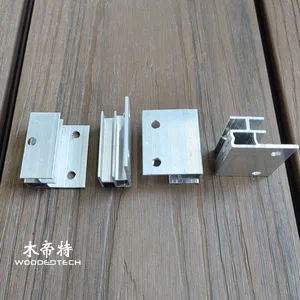 Composite Deck Designs: Industrial Trends, Materials, and Applications
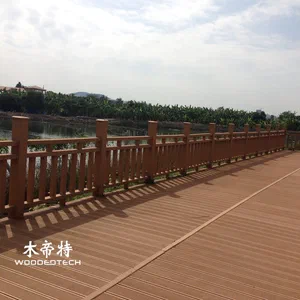 Composite Decking Kits 5m x 3m: Industrial Supply Guide 2026
 Wood Plastic Composite Decking Manufacturer Provides Durable Outdoor Flooring Solutions for Global Markets
 How To Use WPC decking blog Information For Better Outdoor Project Planning
Related Products
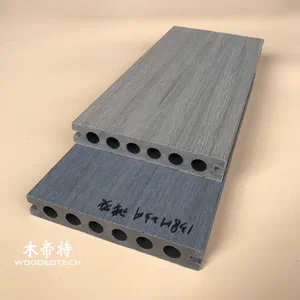 GD13823 Composite Decking Material Features Six Small Round Holes to Reduce Weight While Maintaining Structural Strength
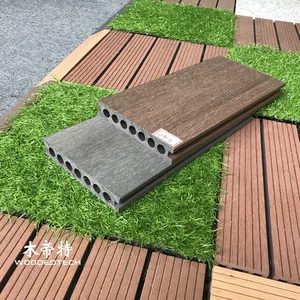 GD13823-2 Wood Versus Composite Decking Features Seven Round Holes with Wood Grain and Brushed Textures on Opposite Sides
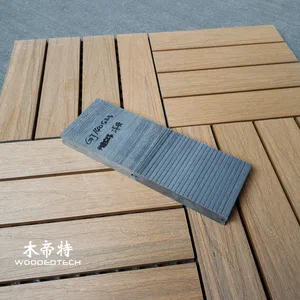 GD14023S Composite Deck Materials Feature a Solid Structure and Side Grooves for Better Adaptability in Extremely Cold Climates