
decking composite colours provide multiple design choices for different outdoor landscape styles

Decking composite colours are now central to outdoor design, not just a finishing detail. The right shade can make a terrace feel wider, a garden area feel warmer, or a commercial project look sharper and more premium.
Colour direction in modern outdoor spaces
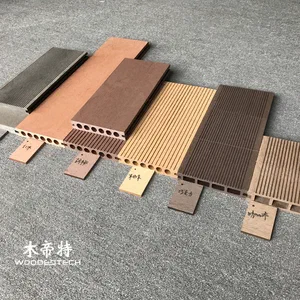
Today’s outdoor trends move away from a single “wood-look” finish and toward coordinated palettes. Designers often combine soft greys, walnut browns, charcoal, sand, and muted teak tones to suit different landscape styles, from minimalist courtyards to resort-inspired gardens. These decking composite colours work best when they connect the floor, walls, fencing, and shade structures into one visual language.
Lighter colours help smaller spaces feel open and clean, while deeper tones add contrast and structure around planting beds, pools, and seating zones. For projects that need a natural look without heavy maintenance, composite deck colors give more control than traditional timber because the tones stay consistent across large areas and matching accessories.
Texture, profile, and surface detail
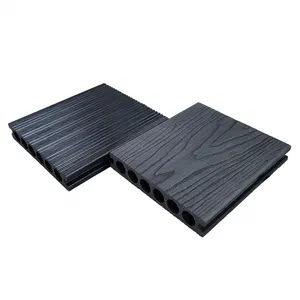
Colour alone does not create a strong outdoor design. Texture matters just as much. Embossed grain, brushed surfaces, and subtle matte finishes reduce glare and make composite decking boards look more authentic. On wall panels and cladding, fluted or 3D textures add shadow lines that bring depth to plain façades and garden screens.
Profiles also shape the final result. Wider boards suit calm, modern layouts, while narrower or grooved profiles create more movement and a more technical look. These choices are useful for decks, steps, pergolas, and fencing because the same visual theme can run through every product without looking repetitive.

Modular systems for flexible layout
Modern landscape projects need products that are easy to combine and adjust. Modular deck tiles, interlocking panels, and pre-sized fence or pergola components speed up installation and make upgrades simpler later. This is especially valuable for rooftops, hospitality terraces, private gardens, and commercial outdoor zones where design changes often happen in phases.
A modular approach also helps align decking with wall panels, privacy screens, gazebos, and planters. When the same colour family and surface texture are used across these elements, the outdoor space feels planned rather than assembled. That coordination is what gives composite products their real design value.
Designing a complete outdoor palette
The strongest outdoor schemes use colour to guide function. Dark decking can define a dining area, while lighter wall cladding can brighten a background wall. Matching fences, pergolas, and landscape features create a consistent frame for greenery, lighting, and furniture. For clients seeking a modern, low-maintenance result, this is where composite materials offer the most advantage: style, durability, and easy coordination in one system.
FAQ
Q: Why are decking composite colours important in landscape design? A: They help define mood, zone different outdoor areas, and create a coordinated look across decks, walls, and structures.
Q: Which composite colour works best for modern outdoor projects? A: Grey, charcoal, teak, and warm brown are common choices because they pair well with stone, metal, glass, and planting.
Q: Can composite decking be matched with wall panels and fencing? A: Yes, many products are designed in matching tones and textures so the whole outdoor space looks unified.
Related Articles
 8ft composite decking boards offer convenient lengths for various outdoor flooring projects
 coffee composite decking creates warm natural looking outdoor spaces with modern wood plastic materials
 wpc wall panels provide modern exterior decoration solutions with low maintenance advantages
 Grey plastic wood decking outdoor creates elegant modern spaces with low maintenance surfaces
Related Products
 WPC Wall Panel Accessories Offer Complete Solutions with Various Common and Specialized Installation Parts
 GQ13523wpc board wall paneling with antique wood color narrow grille design delivers elegant outdoor wall appearance
 GQ21728wpc fluted wall panel with trapezoid large Great Wall design provides impressive exterior architectural style