
decking composite calculator helps estimate material requirements and project costs for outdoor decking installation

A decking composite calculator helps estimate material requirements and project costs before installation, which reduces waste and keeps outdoor decking jobs on budget. For WPC decking and wall cladding, the calculator is only part of the job; proper subframe preparation, fixing, spacing, and finishing determine whether the project performs well over time.
Planning the Layout
Start by measuring the full area, then confirm the usable board length, trim allowance, and direction of installation. A good calculator should account for board width, gap spacing, starter and edge trim, joist spacing, fasteners, and a small waste factor for cuts and defects.
For decking, check the deck shape, step locations, and any drainage points before ordering. For wall cladding, measure openings, corners, and termination lines carefully so you can estimate trims, corner profiles, and starter rails without running short.
Subframe Preparation
The subframe must be level, dry, and stable. For WPC decking, use a treated timber or aluminum joist system with spacing set according to the board profile and supplier instructions, usually tighter for hollow boards and wider for solid boards.
Build in a slight fall for drainage, and keep the frame off the ground where possible. Add blocking around edges, joints, and high-traffic areas so board ends are fully supported. For wall cladding, install battens straight and plumb, with enough ventilation behind the panels to reduce moisture buildup.
Fixing Methods
Use the fixing system designed for the product. Hidden clips are common for decking boards because they give a clean finish and allow movement. Pre-drill where required, especially near board ends, and use stainless steel fixings for exposed areas and trims.
For wall cladding, fix the starter profile first, then work upward or outward in a consistent line. Keep every course locked into the previous one, and check level frequently. Do not over-tighten fasteners, because WPC needs room to expand and contract with temperature change.
Expansion Gaps and Cutting
Leave expansion gaps at all perimeter edges, fixed points, and board ends. The exact gap depends on board type, color, climate, and manufacturer guidance, but the principle is the same: never force boards tight against a wall, post, or frame.
Cut WPC with fine-tooth carbide blades for cleaner edges and less chipping. Support the board fully while cutting, and seal exposed cut ends if the system requires it. Always re-check the cut list against the calculator before making final cuts, especially on irregular layouts.

Maintenance Tips
WPC decking and cladding are low maintenance, not no maintenance. Sweep debris regularly, wash with mild soap and water, and remove stains early before they set. Avoid abrasive cleaners, wire brushes, and harsh solvents.
Inspect fixings, joints, and drainage points seasonally. If you keep the surface clean and the subframe dry, the system will hold its appearance and performance much longer.
FAQ
Q: How accurate is a decking composite calculator? A: It is accurate when the measurements are correct and the waste factor is realistic. It should always be checked against the actual board layout and supplier installation guide.
Q: Do WPC boards need expansion gaps? A: Yes. Expansion gaps are necessary to allow movement from heat and cold, and they prevent buckling, lifting, or pressure damage.
Q: Can the same method be used for decking and wall cladding? A: The measurement and layout logic are similar, but the subframe, fixing system, and ventilation details are different. Use the correct method for each product type.
Related Articles
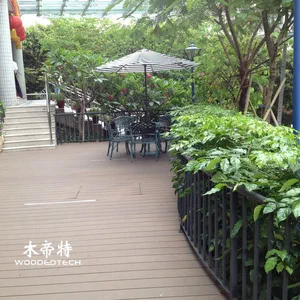 labor cost to install composite decking varies based on project size design and installation conditions
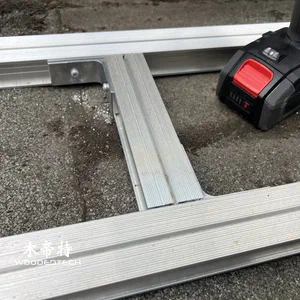 composite deck joist span table helps plan safe and efficient outdoor decking structures
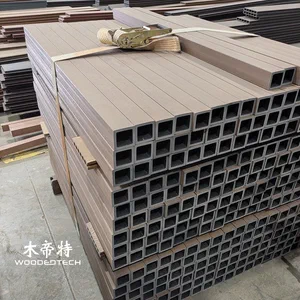 Composite decking instructions help installers complete outdoor flooring projects correctly
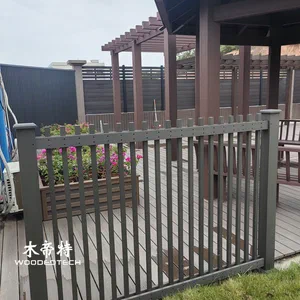 Composite decking spacing guidelines ensure proper installation and long term outdoor performance
Related Products
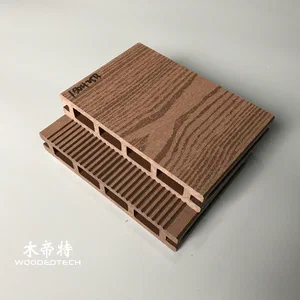 D15025-2 Classic Waterproof Insect Resistant Corrosion Resistant And Termite Resistant Composite Decking Types With Twenty Years Of Sales Experience
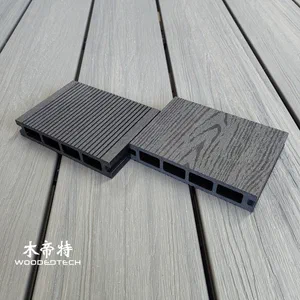 D14025-4 WPC Decking Boards Feature a Flat Wood Grain Surface with Black Ebony Heartwood Ring Grain for Outdoor Applications
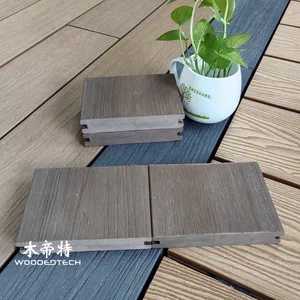 GD14025S Capped WPC Provides a Solid Board Structure for Better Load Bearing Performance and Reduced Space for Insects Inside the Board