
Deck Composite Bridge Solutions for Durable Outdoor Walkways and Platforms
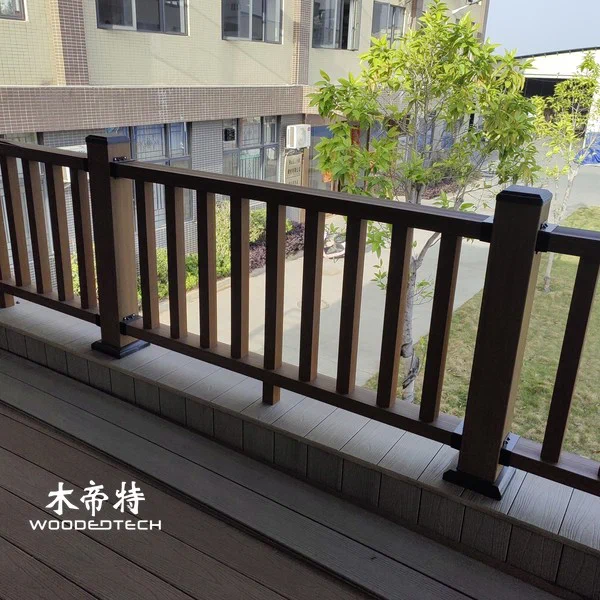
Deck composite bridge solutions provide a durable, low-maintenance surface for outdoor walkways, platforms, and access areas exposed to heavy foot traffic and harsh weather. For industrial and commercial projects, the right composite system improves safety, reduces upkeep, and delivers a clean, professional finish that lasts.
Why Composite Works for Bridge-Style Walkways
Compared with timber, composite decking is more stable in wet, sunny, and high-traffic environments. It resists splitting, rotting, and insect damage, which makes it a practical choice for pedestrian bridges, boardwalks, viewing platforms, marina walkways, and site access decks.
For buyers, the value is not only in appearance. Composite materials help lower lifecycle cost because they need less sanding, sealing, painting, and replacement. That is especially important for facilities managers, developers, and contractors looking for dependable outdoor flooring with predictable performance.
Key Features Buyers Look For
A good bridge walkway system should balance safety, strength, and simple installation. Common project requirements include:
- Slip resistance for wet or dusty conditions
- UV resistance to reduce fading
- Consistent board dimensions for clean installation
- Hidden or corrosion-resistant fixing methods
- Compatibility with composite deck boards and decking composite joists
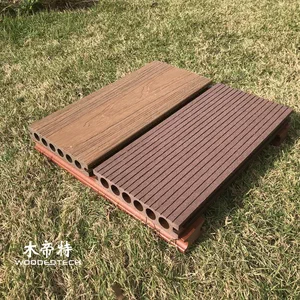
Many projects also specify capped composite decking or co extrusion decking for better stain resistance and surface protection. These options are useful in public spaces where maintenance access is limited and appearance must stay uniform over time.
Applications Across Commercial Projects
Deck composite bridge solutions are used in more than just scenic walkways. They are also suitable for rooftop access paths, resort platforms, industrial site crossings, park structures, and raised outdoor seating areas. In each case, the goal is the same: create a safe walking surface that performs under repeated use and changing weather.
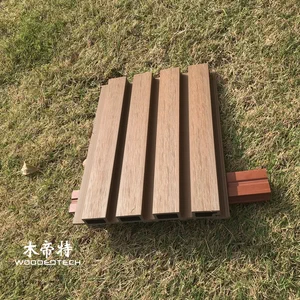
For procurement teams, the material is attractive because it can be supplied in standard profiles or custom sizes. Some projects require matching deck railing, stair components, or adjacent composite cladding for a consistent design across the whole site.
Choosing the Right Supplier
When sourcing for B2B projects, ask about load requirements, surface texture, fastening details, and installation support. A reliable supplier should also clarify warranty terms, color stability, and whether the product is suited for heavy duty wpc gazebo-style structures or bridge platforms with similar exposure.

If the project is large, wholesale supply and factory-direct pricing can make a major difference. Working with an experienced manufacturer helps reduce delays and ensures the decking system fits the structure, budget, and local compliance needs.
FAQ
Q: Is composite decking suitable for pedestrian bridges? A: Yes, it is widely used for pedestrian bridges and elevated walkways because it offers good durability, weather resistance, and low maintenance.
Q: What surface type is best for outdoor platforms? A: Slip-resistant, capped, or co-extrusion surfaces are often preferred because they improve safety and resist staining better in wet outdoor conditions.
Q: Can composite bridge decking be customized? A: Yes, many suppliers offer custom lengths, colors, textures, and matched accessories for railings, edging, and structural trim.
Related Articles
Related Products
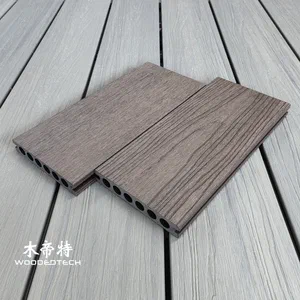 3DGD13823 Second Generation 3D Embossed Rosewood Composite Balcony Decking Delivers Ultra Realistic Wood Grain Texture and a Premium Natural Wood Experience
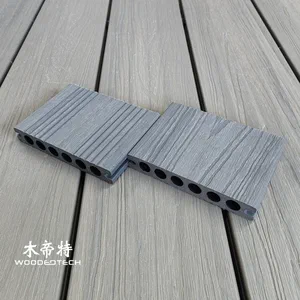 GD13823-3 Light Grey Premium Co Extrusion WPC Composite Decking Offers LG Texture and Excellent UV Resistance for Outdoor Spaces
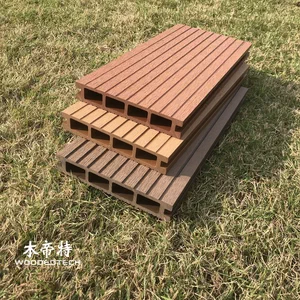 D14025-3 Square Hole Double Sided Grooved WPC Board Factory Producing Outdoor Decking Boards With Good Slip Resistance