
Creative Space Optimization: small composite deck ideas & Designs
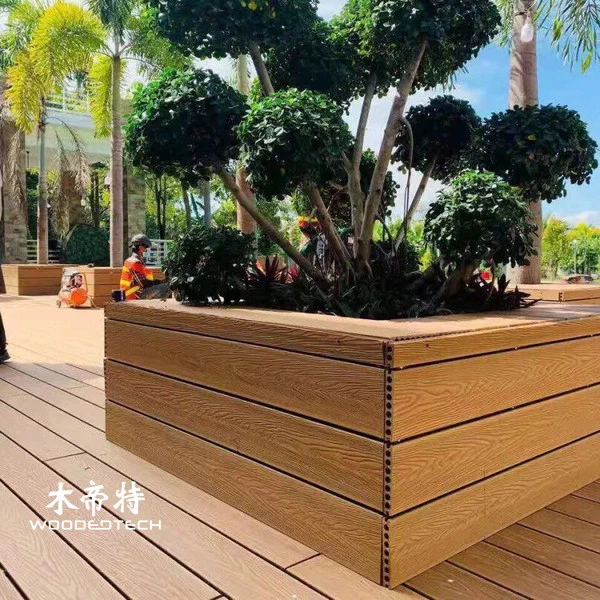
Small composite deck projects need smart layout choices, not oversized materials. For builders, distributors, and project specifiers, the goal is to create usable outdoor space with efficient installation, controlled cost, and a clean finish that holds up in commercial use. The right design can make a compact deck feel broader, safer, and easier to maintain.
Space-Saving Layout Choices
Start by treating the deck as a working zone rather than a decorative add-on. Narrow footprints benefit from simple rectangles, diagonal sightlines, and built-in edges that reduce wasted corners. Using composite deck boards in a consistent direction helps visually stretch the area, while lighter tones can open up shaded or enclosed spaces.
Multi-level details are useful even on a small scale. A single step change can separate seating from circulation, and slim perimeter framing can define the deck without adding bulk. If the site requires fast turnover, composite deck tiles or snap-together deck tiles can also support phased installation on balconies, terraces, and temporary commercial spaces.

Materials That Improve Performance
Composite decking is a strong fit for compact outdoor builds because it reduces routine maintenance and performs well in changing weather. In high-traffic settings, capped composite decking boards and co-extrusion decking products are often preferred for better stain resistance, color stability, and long-term appearance. That matters when the deck is part of a showroom, hospitality venue, or rental property portfolio.
The supporting system matters too. Proper decking composite joists, accurate spacing, and clean edge detailing prevent movement and protect the finish. For buyers comparing options, composite deck cost should be evaluated against lifespan, labor savings, and reduced replacement frequency, not just the initial purchase price.
Design Details That Add Value
Small decks benefit from integrated functions. A low bench, hidden storage, or a compact composite deck bench can remove the need for extra furniture and keep circulation clear. Matching composite railing or low-profile railing systems help maintain safety without making the space feel boxed in.
For more branded or architectural projects, composite cladding or wall cladding elements can extend the same material language to adjacent façades, screens, or privacy zones. That creates a more unified commercial look and helps small outdoor areas feel intentional rather than improvised.
FAQ
Q: Is composite decking suitable for small commercial decks? A: Yes. It offers durable performance, low maintenance, and a consistent appearance, which are valuable in compact hospitality, retail, and residential projects.
Q: Are deck tiles better than full boards for small spaces? A: They can be, especially for quick installations or balcony applications. Full boards still work better when the project needs a more permanent, custom-built finish.
Q: How can a small deck look larger? A: Use straight board orientation, lighter colors, minimal railing profiles, and built-in features that reduce visual clutter.
Related Articles
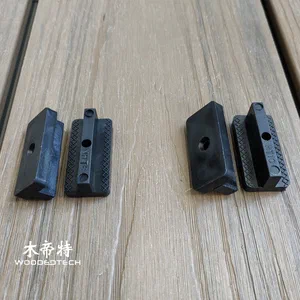
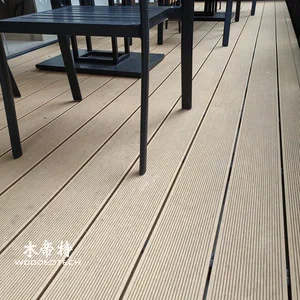
Related Products
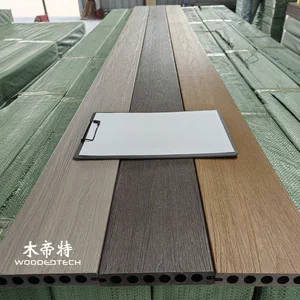
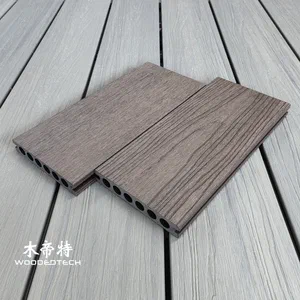 3DGD13823 Second Generation 3D Embossed Rosewood Composite Balcony Decking Delivers Ultra Realistic Wood Grain Texture and a Premium Natural Wood Experience
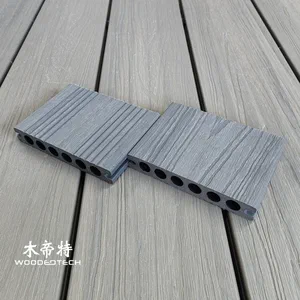 GD13823-3 Light Grey Premium Co Extrusion WPC Composite Decking Offers LG Texture and Excellent UV Resistance for Outdoor Spaces
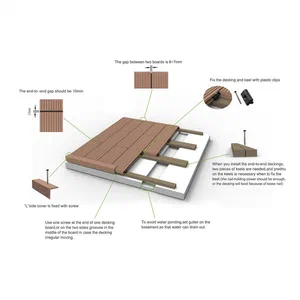
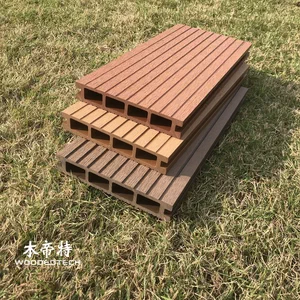 D14025-3 Square Hole Double Sided Grooved WPC Board Factory Producing Outdoor Decking Boards With Good Slip Resistance