
Creative Backyard Ideas: using composite decking for fence & Privacy Screens
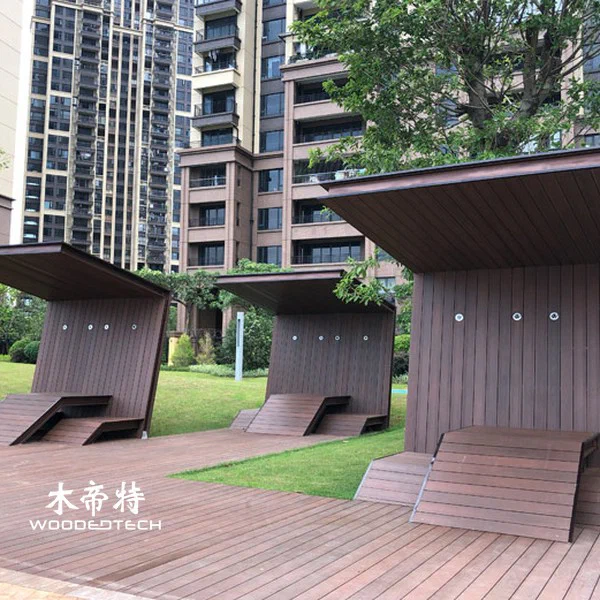
I’m drafting the article now and keeping it within the required word range, with the FAQ, tags, description, and keywords formatted exactly to spec.Composite decking is no longer limited to walking surfaces. For commercial projects, it can also be used to build fence infill, privacy screens, and clean architectural backdrops that make outdoor areas feel finished and intentional. That gives specifiers and buyers one material family for decks, boundaries, and screening, which simplifies sourcing and improves visual consistency.
Why composite decking works for fences and screens
In backyard and hospitality settings, privacy is often as important as durability. Composite boards and slats offer a stable, wood-look finish that resists rot, warping, and frequent repainting, which makes them practical for high-use outdoor spaces. Compared with timber, they are easier to standardize across multiple sites and easier to maintain after installation.
For B2B buyers, the appeal is not just appearance. Composite fencing and screen systems can be ordered in matching colors, textures, and profiles so the deck edge, fence line, and screen wall feel designed as one package. That matters for landscape contractors, resort developers, property managers, and fence installers who need repeatable results across different projects.
Design ideas for creative backyard layouts
A common approach is to use horizontal composite slats for a modern privacy fence, then repeat the same board profile as a screen behind seating or around utility zones. This creates clean sight lines while hiding equipment, storage, or neighboring views. In more compact courtyards, a partial-height screen can define zones without making the space feel enclosed.

A practical spec sheet should consider:
- board width and thickness
- UV resistance and color stability
- fixing method and expansion allowance
- matching post, cap, and trim options
- cleaning requirements for long-term use
Planning for procurement and installation
When composite decking is used for fencing or screening, installation details matter as much as product choice. Contractors should confirm span limits, fastening systems, and wind load requirements before release to production. For larger orders, it is also worth checking whether the supplier offers color-matched accessories, custom lengths, or project-based packaging to reduce waste on site.
For distributors and importers, this category also supports upselling. A buyer who starts with deck boards may later request coordinated privacy screens, cladding, or railing, especially when the product line is sold as a complete outdoor solution. That creates stronger repeat business and a clearer product story for retail or project sales.
FAQ
Q: Can composite decking really be used for fences and privacy screens? A: Yes. It is commonly used as slats, infill boards, or framed panels for modern outdoor screening and boundary applications.
Q: Is composite better than timber for outdoor privacy screens? A: In many commercial projects, yes. It usually needs less maintenance and offers more consistent appearance over time.
Q: What should buyers check before ordering fence or screen materials? A: Confirm board dimensions, fastening method, UV performance, and whether matching posts or trims are available.
Related Articles
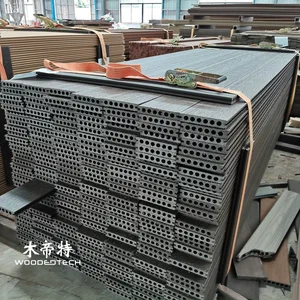
Related Products
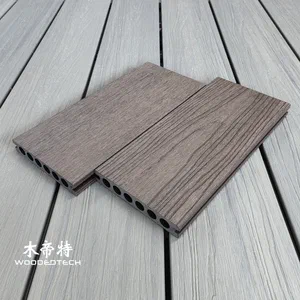 3DGD13823 Second Generation 3D Embossed Rosewood Composite Balcony Decking Delivers Ultra Realistic Wood Grain Texture and a Premium Natural Wood Experience
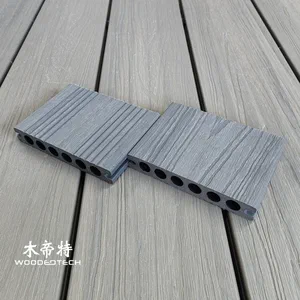 GD13823-3 Light Grey Premium Co Extrusion WPC Composite Decking Offers LG Texture and Excellent UV Resistance for Outdoor Spaces
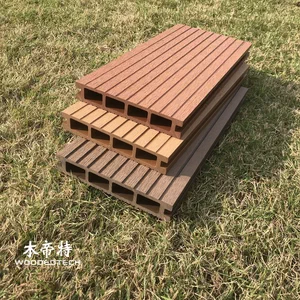 D14025-3 Square Hole Double Sided Grooved WPC Board Factory Producing Outdoor Decking Boards With Good Slip Resistance