
Cost Of Composite Decking Material
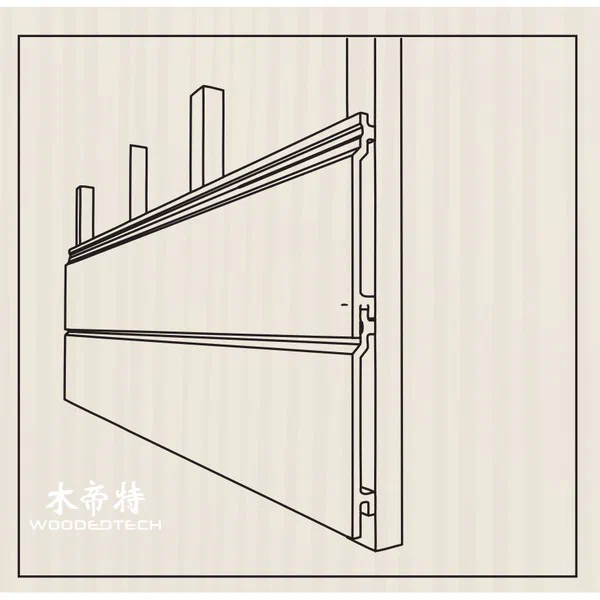
Designing high-performance outdoor wood plastic composite (WPC) formulas for applications such as decking, wall cladding, fencing, pergolas, and landscape products involves a careful balance of materials and components. The goal is to create products that not only stand the test of time but also meet consumer expectations for aesthetics, durability, and cost-effectiveness.
Material Composition
The core of any WPC formula lies in the balance between wood fiber content and plastic ratio. Typically, a higher wood fiber content provides a natural appearance and enhances the composite’s strength. However, this can compromise moisture resistance and durability. Conversely, increasing the plastic content improves resistance to moisture and UV damage but can lead to a less natural look.
A common approach is to aim for a wood-to-plastic ratio of around 60:40 or 70:30, depending on the specific application and desired properties. Fine-tuning this ratio based on the intended use can help achieve the right balance.

Additives and Performance Enhancers
To enhance the performance of WPC products, various additives play critical roles. These may include:
- UV stabilizers to prevent color fading
- Anti-fungal agents to resist mold and mildew
- Flame retardants for safety in outdoor environments
- Colorants to achieve desired aesthetics
It’s essential to select high-quality additives that do not significantly add to production costs while still improving product lifespan and performance.
Cost Control Strategies
Cost control is vital in the competitive WPC market. Utilizing recycled materials can significantly reduce costs while appealing to environmentally-conscious consumers. Additionally, strategic sourcing of raw materials and optimizing production processes can lead to cost savings.
Investing in automated manufacturing technologies can boost efficiency. This includes precise mixing and extrusion techniques that minimize waste and ensure consistent quality, which can ultimately lower costs over time.
Product Lifespan and Sustainability
The longevity of WPC products is a key selling point. Factors such as resistance to warping, cracking, and fading directly impact lifespan. A well-designed WPC should withstand varying weather conditions without significant degradation. This necessitates rigorous testing under different environmental scenarios.
Sustainability is also a growing concern among consumers. Using recycled wood fibers and plastics not only reduces environmental impact but can also enhance brand reputation. Companies that prioritize sustainable practices often see improved sales and customer loyalty.
Final Considerations
Related Articles
 Essential Guide to Wood Composites: Key Considerations for Industrial Applications in 2023
 Optimal Composite Decking Joists Spacing: Guidelines for 2023 Industrial Applications
 Outdoor WPC Deck for Durable Residential Gardens Patios Balconies and Landscape Projects
 Essential Guide to Selecting WPC Door Frames: Key Considerations for 2024
Related Products
 GD13820 M Shape Co Extruded Composite Deck Planks Feature a Special Profile Design for Distinctive Outdoor Decking Applications
 GD13823 Double Sided Flat Surface Co Extruded WPC Decking Features a Popular Width and Thickness with Round Hollow Structure
 GD13823-3 Composite Boards for Decking Are Available in Multiple Stock Colors with 3 Meter Lengths and Single Piece Delivery