Cost for Composite Deck: A 2026 Guide to Pricing and Material Selection
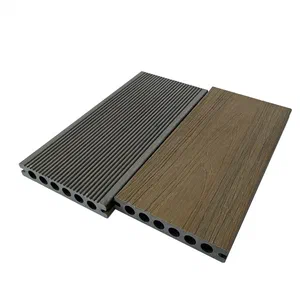
Outdoor composite decking is a practical alternative to natural wood, traditional timber, and aluminum decking, particularly for projects where long-term maintenance and weather resistance matter. In 2026, the cost for composite deck materials depends on board composition, surface technology, product quality, installation requirements, and the expected service life. Comparing the initial purchase price with maintenance and replacement costs helps buyers select the right material for their budget and outdoor environment.
What Determines Composite Deck Cost in 2026?

The cost of composite decking varies according to material quality, manufacturing technology, board dimensions, and supplier specifications. Standard wood-plastic composite (WPC) boards generally cost less than premium capped or co-extruded products. Higher-grade products often feature improved UV resistance, moisture protection, color stability, and surface durability.
Several factors influence the final material budget:
- Material composition: The proportion of wood fiber, recycled plastic, and additives affects strength, appearance, and production costs.
- Surface treatment: Uncapped, capped, and co-extruded decking offer different levels of protection and visual quality.
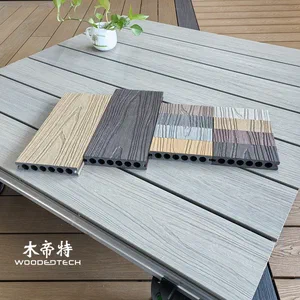
- Board structure: Hollow boards are often more economical and lightweight, while solid boards typically use more material and may provide greater impact resistance.
- Dimensions and profiles: Board thickness, width, length, and customized extrusion profiles affect material consumption and pricing.
- Order volume: Wholesale purchasing and container-load orders can reduce the unit cost for commercial contractors and distributors.
- Accessories: Joists, clips, fasteners, fascia boards, and railing systems contribute to the complete project budget.
Buyers should request a detailed quotation that separates decking boards, supporting structures, accessories, packaging, and shipping. This makes supplier comparisons more accurate and reduces unexpected expenses.
Outdoor WPC vs. Natural Wood and Traditional Timber
Natural wood remains popular because of its authentic grain, warm appearance, and natural variation. However, its purchase price represents only part of its lifetime cost. Many timber species require regular sealing, staining, painting, or protective treatment to withstand outdoor exposure.
Pressure-treated timber is generally an economical option for initial construction. It offers reasonable structural performance when properly specified and installed, but it can still experience moisture absorption, cracking, warping, insect damage, and surface deterioration. Premium hardwoods such as teak and ipe offer greater natural durability, although their higher purchase prices can make large decking projects expensive.
Outdoor WPC combines wood fibers with thermoplastics to create a material that resembles timber while reducing several common maintenance requirements.
Its main advantages include:
- Better resistance to moisture-related deterioration than untreated timber.
- No routine staining, painting, or wood preservative application.
- Consistent dimensions and colors across production batches.
- Reduced risk of splintering under normal use.
- Availability of wood-grain textures and multiple color options.
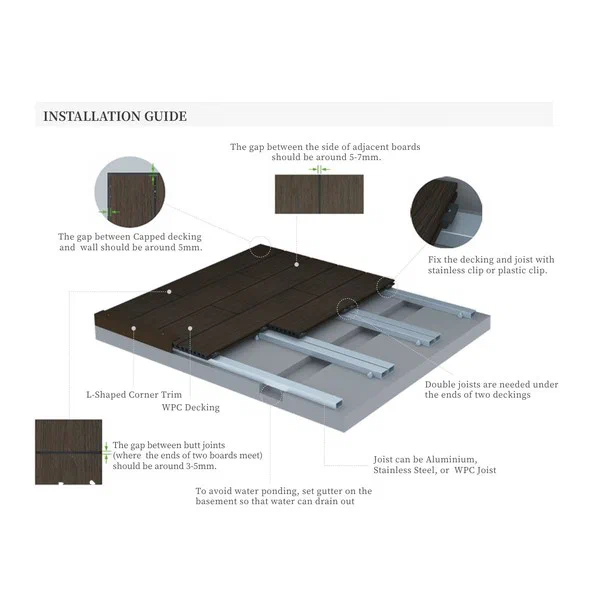
WPC is not maintenance-free. Boards still require periodic cleaning, suitable drainage, and correct installation clearances. They also expand and contract with temperature changes, so manufacturers’ installation guidelines must be followed.
For residential patios, garden terraces, and commercial outdoor spaces, WPC can offer a favorable balance between appearance, maintenance effort, and long-term ownership costs.
Composite Decking vs. Aluminum and Other Exterior Materials
Aluminum decking is another option for projects requiring durability and low maintenance. It does not rot, absorb water, or suffer termite damage. Its strength and dimensional stability make it suitable for certain demanding applications, including elevated decks and areas exposed to harsh weather.
However, aluminum usually has a higher initial material cost than standard WPC. Its metallic appearance may also be less suitable for projects designed around natural wood aesthetics. Heat retention, surface texture, and noise underfoot should be considered when selecting an aluminum system.
Other exterior flooring materials offer different cost and performance characteristics:
| Material | Main advantages | Main disadvantages |
|---|---|---|
| Natural softwood | Affordable, authentic appearance | Regular maintenance, shorter service life |
| Hardwood timber | Premium appearance, natural strength | High purchase cost, periodic treatment |
| Outdoor WPC | Low maintenance, wood-like appearance | Thermal expansion, potential fading |
| Aluminum | Corrosion-resistant, strong, lightweight | Higher initial cost, metallic appearance |
| Porcelain tiles | Water-resistant, easy to clean | Hard surface, installation complexity |
| Natural stone | Distinctive appearance, excellent durability | Heavy, expensive installation |
The best choice depends on the application. Porcelain and stone work well for permanent paved terraces, while WPC provides a more comfortable wood-like alternative for gardens, balconies, swimming pool surrounds, and outdoor entertainment areas.
Maintenance Requirements and Lifecycle Costs
Initial material prices do not necessarily indicate which decking option offers the best value. Lifecycle costs include installation, cleaning, protective treatments, repairs, and eventual replacement.
Traditional timber requires the most ongoing attention in many outdoor environments. Depending on the species and local climate, owners may need to apply protective coatings every one to three years. Boards exposed to standing water, intense sunlight, or frequent temperature changes may require additional repairs.
WPC generally requires less maintenance. Routine care usually involves sweeping away debris and washing the surface with water and an appropriate cleaning solution. Stubborn stains should be treated according to the manufacturer’s instructions. Unlike timber, most WPC products do not require regular painting or sealing.
Aluminum requires relatively little maintenance beyond periodic cleaning and inspection of fasteners and connections. Porcelain tiles and natural stone are also relatively easy to maintain, although grout, joints, and surface treatments may require attention.
For a meaningful lifecycle comparison, buyers should evaluate:
- Initial material and installation expenses.
- Annual cleaning and maintenance costs.
- Expected product lifespan under actual environmental conditions.
- Repair and replacement requirements.
- Availability of matching replacement boards and accessories.
A WPC product with a higher purchase price may offer better long-term value than a cheaper timber alternative if it substantially reduces maintenance and replacement expenses. However, actual savings depend on product quality, installation conditions, and local labor costs.
How to Select the Right Composite Decking for Your Project
Selecting composite decking should begin with the intended application rather than the lowest available quotation. A residential garden deck may prioritize appearance and affordability, while a hotel terrace, commercial walkway, or poolside installation may require greater attention to slip resistance, load capacity, and environmental exposure.
Standard uncapped WPC decking can suit budget-conscious projects with moderate performance requirements. Capped composite decking adds a protective outer layer that improves resistance to moisture, stains, and surface wear. Co-extrusion technology offers another premium option, with a protective polymer layer surrounding the board during manufacturing.
Before placing an order, international buyers, wholesalers, and construction contractors should check:
- Technical specifications, including dimensions, density, and recommended loading conditions.
- UV resistance, water absorption, and slip-resistance test results.
- Applicable fire-performance requirements for the project.
- Warranty terms and the conditions affecting product lifespan.
- Installation systems, compatible accessories, and replacement availability.
- Minimum order quantities, production lead times, packaging, and shipping costs.
Working with an experienced WPC manufacturer also helps buyers evaluate customized colors, surface textures, board profiles, and packaging requirements. For large projects, requesting samples and testing them under relevant environmental conditions can reduce procurement risks.
The most cost-effective decking solution in 2026 is not necessarily the material with the lowest price per board. It is the option that meets the project’s performance requirements while keeping installation, maintenance, and replacement expenses under control. Comparing WPC with timber, aluminum, porcelain, and natural stone on a consistent lifecycle basis gives buyers a more reliable foundation for material selection and long-term investment decisions.
Related Articles
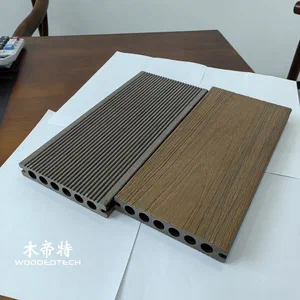 wood composite decking cost depends on product design material quality and project specifications
 What Is The Difference Between Composite Deck Vs Wood Cost For Buyers
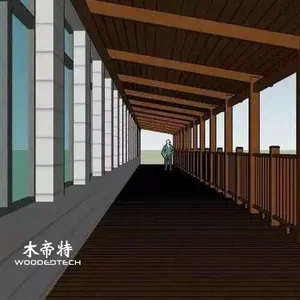 Composite deck or wood comparison helps customers choose the right outdoor flooring material for their projects
 Composite Decking Cost vs Wood: A B2B Guide to Long-Term Value