Core Floor WPC Waterproof Flooring for Moisture Resistant Indoor and Outdoor Applications
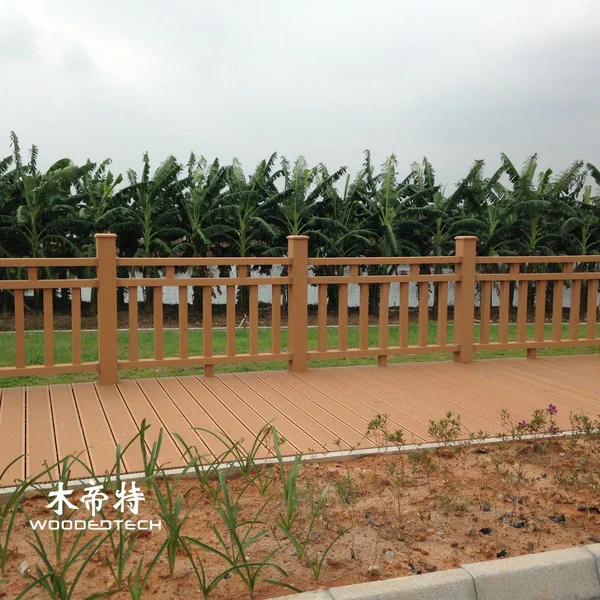
Core Floor WPC waterproof flooring is designed for indoor and outdoor areas that face constant moisture, frequent cleaning, and heavy foot traffic. For B2B projects, it offers the wood look buyers want with the moisture resistance and stable performance specifiers need.
Why Core Floor WPC Fits Moisture-Prone Projects
Made from wood plastic composite, this flooring combines polymer and wood fiber for a surface that resists swelling, cracking, and rot far better than traditional timber. It is a practical choice for commercial entrances, covered terraces, balconies, poolside walkways, laundry rooms, and hospitality spaces where water exposure is routine.
Unlike natural wood, WPC does not need regular sealing or repainting to stay serviceable. That lowers maintenance planning, reduces lifecycle cost, and helps property managers keep the floor looking consistent across large installations.
Performance That Matters to Buyers
Core Floor WPC waterproof flooring is typically selected for its balance of appearance, safety, and durability. The material can be produced with embossed wood grain textures, slip-resistant finishes, and color options that support modern architectural designs.

Key benefits include:
- moisture resistance for damp or wet environments
- stable dimensions under changing temperatures
- easy cleaning with standard maintenance routines
- improved slip resistance for high-traffic zones
- broad use across indoor and outdoor flooring applications
For contractors and distributors, this makes stocking and specifying easier. A single product family can often serve multiple project types, from residential developments to retail, leisure, and light commercial builds.
Applications and Specification Considerations
When choosing waterproof flooring that looks like wood, B2B buyers should compare thickness, surface treatment, installation method, and intended exposure. Covered outdoor areas may only need splash resistance, while open-air zones near water require stronger anti-slip performance and more careful substrate preparation.
Installation is also a major factor. Proper leveling, drainage, and expansion gaps help the flooring perform as intended. For larger projects, buyers should confirm load requirements, color consistency, and whether the system is suitable for clips, joists, or direct-fit assembly.
Core Floor WPC is especially useful where design continuity matters. The same visual tone can extend from interior transition spaces to outdoor circulation areas, creating a cleaner finish for hotels, clubs, offices, and multi-unit developments.
Sourcing for Commercial Projects
For bulk purchasing, the best results come from working with a supplier that can support consistent dimensions, stable lead times, and customized finishes. OEM and wholesale buyers should also request sample testing data, moisture-performance details, and project references before placing volume orders.
FAQ
Q: Is Core Floor WPC suitable for outdoor use? A: Yes, it is commonly used in covered and semi-exposed outdoor areas. For fully exposed sites, confirm slip resistance and installation requirements with the supplier.
Q: How does WPC flooring compare with wood in wet areas? A: WPC is more moisture-resistant and needs less maintenance than natural wood. It is a better fit for locations where water exposure and cleaning are frequent.
Q: Can it be used in commercial projects? A: Yes, it is widely applied in hospitality, retail, and residential developments. Its stable appearance and lower upkeep make it practical for large-scale use.
Related Articles
Related Products
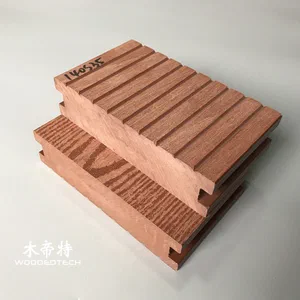 D14035S 35mm Thick Solid Wood Grain WPC Flooring for Outdoor Deck Applications
 3D14025-2-SW dark grey waterproof flooring that looks like wood features round holes strong support clear wood grain and beautiful 3D effects
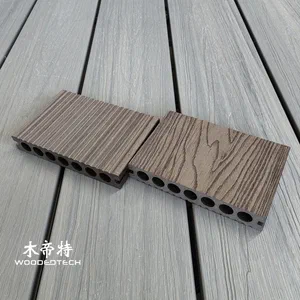 3D15023 coffee color plastic wood flooring is suitable for outdoor leisure areas of various street facing shopping malls