
core decking wpc provides a stable outdoor flooring solution with reliable composite performance
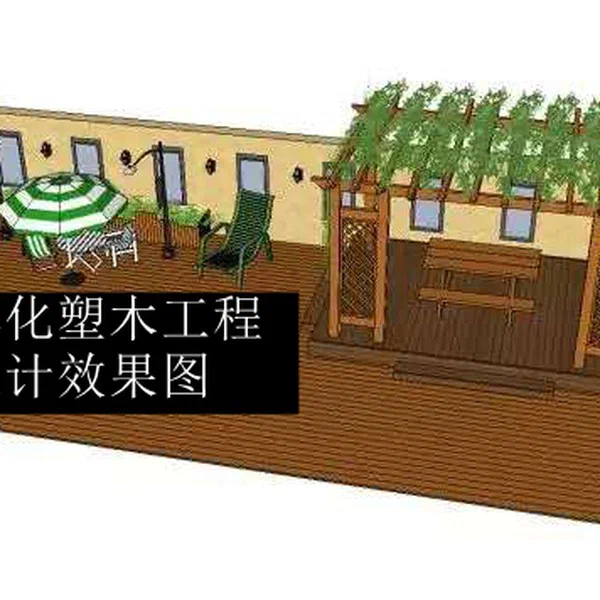
Core decking WPC is designed to deliver a stable outdoor flooring solution where moisture resistance, dimensional control, and long service life matter. For decking, wall cladding, fencing, pergolas, and landscape products, the right formulation must balance strength, surface quality, cost, and weather durability without making the profile too brittle or too expensive.
Formulation starting point: the balance between wood and plastic
A practical WPC formula usually starts with the end application. Decking needs better load-bearing stability and slip resistance, while cladding and fencing often need cleaner surfaces, better color retention, and tighter dimensional consistency. As wood fiber content rises, the board can look more natural and feel stiffer, but water absorption, swelling risk, and processing difficulty also increase.

Plastic ratio plays the opposite role. More polymer improves moisture resistance, impact performance, and extrusion stability, but too much can raise cost and reduce the wood-like appearance buyers expect. For outdoor flooring and core decking products, many formulators target a middle zone that keeps the board strong enough for span performance while still controlling warpage under heat and rain.
Additives that protect performance outdoors
The additive package is where a good formula becomes a reliable one. Coupling agents help wood and plastic bond more tightly, improving strength and reducing internal voids. Lubricants support smooth extrusion and cleaner surface finish. UV stabilizers, antioxidants, and pigments slow fading and surface degradation, which is critical for decking and pergolas exposed to sun all day.
For wet environments, moisture management matters just as much. Surface treatment, fiber selection, and proper encapsulation can improve resistance to swelling and fungal attack. For fencing and landscape products, impact modifiers and color masterbatch should be selected carefully so the profile keeps its shape and appearance over years of outdoor use.
Cost control without sacrificing lifespan
High-performance does not mean high-cost by default. Material cost can be controlled by optimizing the wood flour grade, using recycled polymer where appropriate, and matching additive dosage to actual weather exposure. A deck board for a shaded residential project does not need the same package as a public terrace in a hot coastal market.
The key is to avoid false economy. Cutting stabilizers, lowering coupling efficiency, or overloading the formula with filler may reduce short-term price but usually increases complaints, cracking, and replacement cost later. Buyers want a product that installs cleanly, stays flat, and maintains color and texture through multiple seasons.
Matching formula to product type
- Decking: prioritize dimensional stability, anti-slip surface texture, and balanced flex strength.
- Wall cladding: focus on lighter weight, clean appearance, and color consistency.
- Fencing: increase stiffness and weather resistance to handle wind load and outdoor exposure.
- Pergolas: use a stronger profile design and stable UV package for long-term overhead exposure.
- Landscape products: optimize for impact resistance, easy cleaning, and broad design flexibility.
A successful WPC development process should always connect formula design with extrusion behavior, installation conditions, and target market price. That is how core decking WPC becomes more than a material blend and turns into a dependable outdoor system.
FAQ
Q: What is the ideal wood fiber content for outdoor WPC products? A: It depends on the application, but most outdoor profiles perform well when wood and plastic are balanced for both stability and processability. Higher wood content can improve stiffness, but it also raises moisture sensitivity.
Q: Why are additives so important in WPC formulation? A: Additives control how the composite processes, resists UV, and holds up against moisture and heat. Without the right package, even a good base resin and fiber mix can fail early outdoors.
Q: How can manufacturers lower cost without reducing quality too much? A: The best approach is to optimize raw material ratios, use the right recycled content, and avoid over-formulating. Cost should be reduced through smarter design, not by removing the ingredients that protect lifespan.
Related Articles
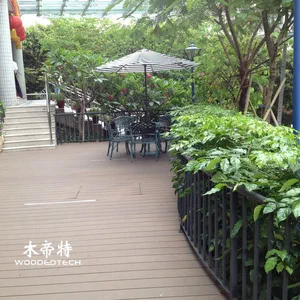 labor cost to install composite decking varies based on project size design and installation conditions
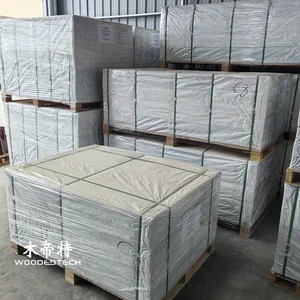 best composite decking 2022 offers popular outdoor flooring choices with proven market performance
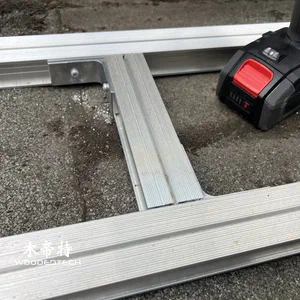 composite deck joist span table helps plan safe and efficient outdoor decking structures
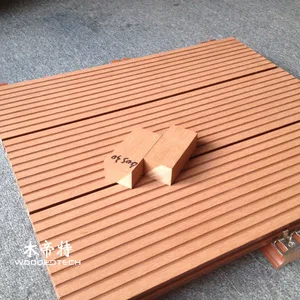 composite deck over concrete patio creates an attractive outdoor living area with easy installation
Related Products
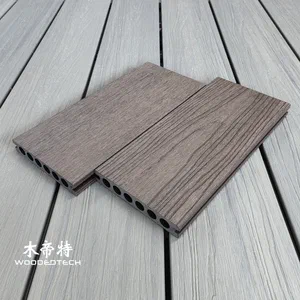 3DGD13823 Second Generation 3D Embossed Rosewood Composite Balcony Decking Delivers Ultra Realistic Wood Grain Texture and a Premium Natural Wood Experience
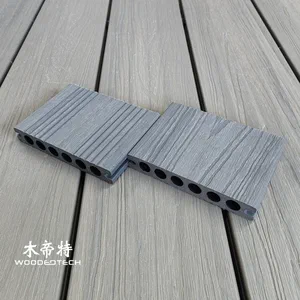 GD13823-3 Light Grey Premium Co Extrusion WPC Composite Decking Offers LG Texture and Excellent UV Resistance for Outdoor Spaces
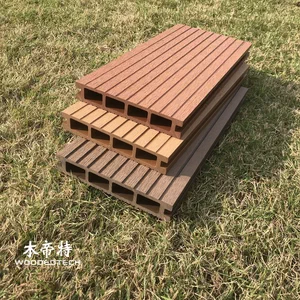 D14025-3 Square Hole Double Sided Grooved WPC Board Factory Producing Outdoor Decking Boards With Good Slip Resistance