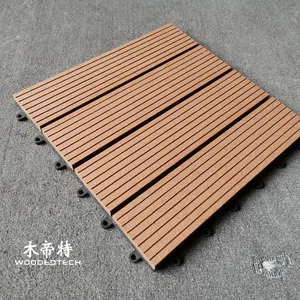
Comprehensive wpc flooring reviews | Pros, Cons & Buying Advice
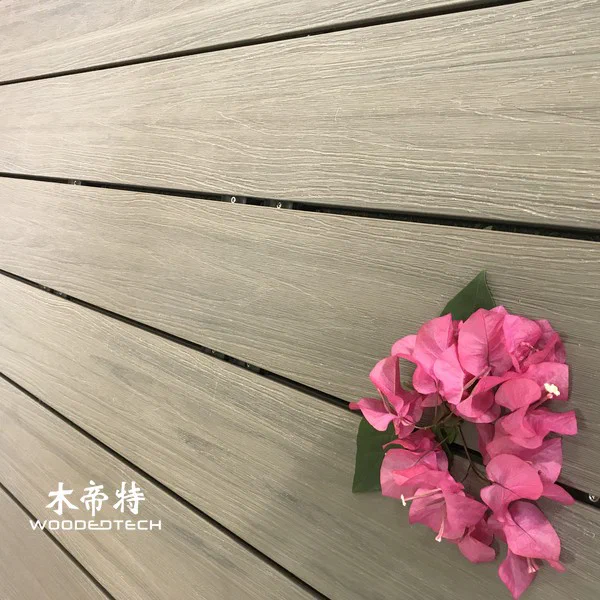
WPC flooring reviews consistently point to the same result: it is a practical, durable option for commercial and industrial projects that need the look of wood with less maintenance. For buyers comparing materials for offices, retail areas, showrooms, and light-duty public spaces, WPC flooring offers a strong balance of appearance, performance, and long-term cost control.
What Buyers Should Expect

The main advantage for B2B buyers is lifecycle value. WPC flooring usually costs more upfront than basic laminate or some PVC alternatives, but it can lower maintenance expenses over time. There is no need for staining, sealing, or frequent refinishing, and that matters when a facility manager is responsible for multiple locations or high foot traffic.
Pros and Cons in Real Projects
From a purchasing perspective, the strengths are clear:
- Moisture resistance for demanding indoor environments
- Good dimensional stability compared with natural wood
- Low maintenance and easy cleaning
- Broad design range for modern interiors
- Faster project turnaround than many traditional flooring systems
There are also limits to consider. WPC flooring is not the best choice for every setting, especially where very heavy point loads, extreme heat, or long-term direct outdoor exposure are involved. Some lower-grade products can dent more easily, so buyers should check wear layer thickness, density, locking system quality, and supplier consistency before placing bulk orders.

Buying Advice for Industrial and Wholesale Buyers
When reviewing suppliers, focus on specification details rather than marketing claims. Ask for product structure, core density, slip resistance data, fire performance if needed, and installation recommendations. For large orders, sample testing is worth the time because finish quality, edge precision, and color consistency can vary between factories.
If the project requires a premium commercial finish, choose products with proven UV resistance, stronger surface treatment, and reliable after-sales support. For warehouse offices, hospitality spaces, and chain-store rollouts, sourcing from an experienced B2B manufacturer can reduce claims and rework later. The best choice is usually the one that matches the project environment, not the one with the lowest unit price.
FAQ
Q: Is WPC flooring suitable for commercial use? A: Yes, it works well in many commercial interiors because it resists moisture and is easy to maintain. It is best suited to areas with moderate to heavy foot traffic rather than extreme industrial abuse.
Q: How does WPC flooring compare with wood flooring? A: WPC flooring needs less maintenance and handles moisture better than wood. Wood may feel more premium, but it usually requires more care and higher upkeep costs.
Q: What should wholesale buyers check before ordering? A: Review core density, surface wear layer, slip resistance, and installation system quality. It is also smart to request samples and confirm batch consistency before large purchases.