
Composite Wood Solutions: Industrial Applications, Benefits, and Market Trends

Wood plastic composite (WPC) materials are transforming the global outdoor building materials industry by offering a practical alternative to traditional timber, combining wood fibers with thermoplastic polymers to create durable, versatile, and low-maintenance products. From commercial decking and exterior wall cladding to fencing, pergolas, and landscape structures, composite wood solutions are gaining attention among construction companies, architects, property developers, and building material distributors.
Industrial Applications of Composite Wood Materials
Composite wood has developed beyond its original role as an alternative decking material. Today, manufacturers use advanced extrusion and molding technologies to produce a wide range of profiles for residential, commercial, and public infrastructure projects. Its adaptability allows manufacturers to customize dimensions, surface textures, colors, and structural designs for different applications.
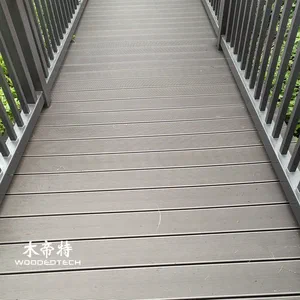
- Commercial and residential decking: Wood plastic composite decking is widely used for hotel terraces, restaurant patios, swimming pool surrounds, balconies, boardwalks, and outdoor entertainment areas. Its resistance to moisture, splintering, and common forms of weather-related deterioration makes it suitable for high-traffic environments.
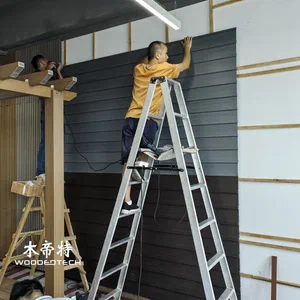
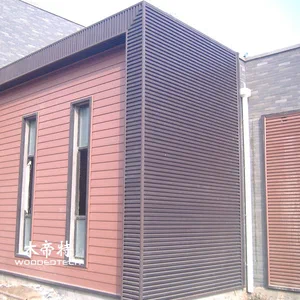
- Exterior wall cladding: WPC wall cladding provides architects and developers with wood-inspired finishes without the same maintenance requirements as conventional timber. It is increasingly considered for commercial facades, residential buildings, hospitality developments, and renovation projects.
- Fencing and privacy systems: Composite fencing is used in residential communities, commercial properties, gardens, and public spaces. Modular panels, aluminum-supported structures, and customizable slat designs offer flexibility in both appearance and installation.
- Pergolas and outdoor structures: Composite pergolas, gazebos, privacy screens, and decorative louvers support the growing demand for functional outdoor environments. These products are particularly relevant to hotels, resorts, restaurants, and residential landscape developments.
- Landscape and public furniture: Composite benches, planter boxes, garden borders, decorative screens, and outdoor seating provide additional opportunities in urban landscaping, parks, commercial campuses, and public infrastructure.
These applications demonstrate how composite materials are becoming part of broader outdoor construction systems rather than remaining a single-product category.
Key Benefits Driving Industrial Adoption
The commercial appeal of composite wood comes from its combination of material performance, design flexibility, and lifecycle considerations. Traditional timber can require regular painting, staining, sealing, and replacement, particularly in environments exposed to rain, sunlight, and temperature fluctuations. Composite products can reduce these maintenance demands when correctly specified and installed.
Moisture resistance is an important advantage. Unlike untreated natural wood, WPC materials are less susceptible to water absorption, rot, and insect damage. However, actual performance depends on the formulation, manufacturing process, protective surface treatment, and installation conditions. Not every composite product is fully waterproof.
Durability is another purchasing consideration. Modern co-extrusion technology creates a protective outer layer around the composite core, helping improve resistance to staining, fading, moisture, and surface wear. Capped composite decking and advanced exterior cladding products are particularly relevant to projects requiring consistent appearance over extended service periods.
Design flexibility also creates opportunities for industrial buyers. Manufacturers can develop different wood-grain patterns, embossed finishes, colors, hollow or solid profiles, and customized extrusion shapes. This allows architects and project contractors to coordinate decking, fencing, wall panels, and decorative elements within a consistent exterior design.
From a sustainability perspective, many WPC products incorporate recycled plastics and reclaimed wood fibers. This can reduce demand for virgin raw materials and support waste-recovery initiatives. Nevertheless, environmental performance varies by product composition, manufacturing energy, product lifespan, and end-of-life recycling options. Buyers increasingly benefit from suppliers that can provide transparent material specifications and lifecycle information.
Global Composite Wood Market Trends
The global wood plastic composite market is experiencing continued development as construction companies seek materials that balance durability, design, and resource efficiency. According to Mordor Intelligence, the building and construction sector accounted for approximately 75.71% of global WPC market revenue in 2025, while Asia-Pacific represented approximately 55.38% of the market. The research also identifies capped composite products as a growing segment, reflecting increased interest in improved surface protection and product performance.
Asia-Pacific is an important growth market because of its manufacturing capacity, expanding construction industry, and increasing investment in residential and commercial infrastructure. China remains a significant manufacturing and export center, while India and Southeast Asian markets offer opportunities associated with urban development, hospitality construction, and outdoor living projects. Grand View Research estimates that the Asia-Pacific WPC market could reach approximately US$7 billion by 2033, with projected annual growth of 12.4% from 2026 to 2033.
North America presents opportunities in residential renovation, outdoor living, commercial landscaping, and premium decking. Buyers increasingly consider composite materials for patios, pool surrounds, privacy fencing, and low-maintenance outdoor environments. In Europe, sustainability requirements, renovation activity, and demand for durable exterior materials are important market drivers. The revised EU Construction Products Regulation, which entered into force in January 2025 and became largely applicable in January 2026, introduces stronger provisions for environmental performance information and digital product documentation. These developments increase the importance of product traceability and compliance readiness for manufacturers and exporters.
Another important trend is the shift from basic composite profiles toward higher-performance products. Co-extrusion decking, 3D embossed surfaces, UV-resistant cladding, fire-performance improvements, and aluminum-composite combinations are expanding the range of available solutions. At the same time, buyers are looking beyond individual boards and panels toward coordinated outdoor product collections that simplify sourcing and project design.
Future Market Opportunities for Manufacturers and Exporters
Several opportunities are emerging for companies operating in the international composite building materials industry.
First, customized manufacturing and OEM services offer considerable potential. International distributors and construction brands often require specific colors, dimensions, surface finishes, packaging, and product specifications. Manufacturers with flexible extrusion capabilities can serve these requirements more effectively than suppliers focused exclusively on standardized products.

Second, integrated outdoor product systems offer opportunities to increase order value. Instead of purchasing decking, fencing, wall cladding, and pergolas from separate suppliers, distributors and project contractors may prefer a manufacturer capable of providing coordinated product ranges. Developing compatible profiles, accessories, railing systems, and installation components can strengthen supplier relationships.
Third, premium and technically differentiated products are likely to attract greater commercial interest. Capped decking, advanced co-extrusion wall panels, weather-resistant fencing, and customized architectural louvers provide manufacturers with opportunities to compete through product performance rather than price alone. This is particularly relevant in markets where buyers prioritize long-term appearance, reliable installation, and documented quality.
Finally, sustainability and regulatory preparation will become increasingly important in international trade. Manufacturers should invest in recycled material sourcing, consistent production standards, product testing, environmental documentation, and improved manufacturing efficiency. Exporters that can demonstrate reliable technical performance and transparent material information will be better positioned to work with international importers, construction contractors, and large-scale development projects.
The future of composite wood solutions will depend on more than replacing natural timber with synthetic alternatives. Market growth will increasingly favor manufacturers that combine material innovation, customized product development, dependable quality control, and comprehensive outdoor building solutions. Companies that respond to these requirements can establish stronger positions in the global decking, cladding, fencing, pergola, and landscaping markets.
Related Articles
 Plastic Wood Block: Industrial Applications, Benefits, and Material Selection
 Plastic Wood Lumber: Industrial Applications, Benefits, and Performance Standards
 Manufacturing Techniques for Polymer Matrix Composites (PMCs): A Guide
 Plastic Lumber: Industrial Applications, Benefits, and Market Outlook
Related Products
 GD13823-3 Composite Boards for Decking Are Available in Multiple Stock Colors with 3 Meter Lengths and Single Piece Delivery
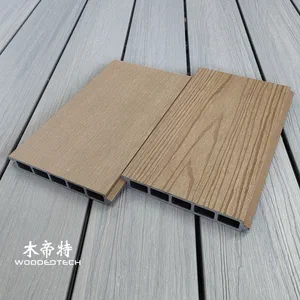 3DGL18024 WPC Longboard Fence Features Premium Co Extruded 3D Embossed Teak Wood Grain Texture with Realistic Natural Wood Fibers
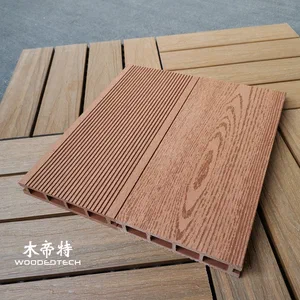 The Classic D14025-4 Red Wood WPC Wood Sheet Features a Timeless 2D Flat Wood Grain Design That Remains Popular After Twenty Years