
Composite Wood for Decks: Industrial Guide to Material Selection 2026
Composite wood for decks has become a major alternative to traditional outdoor materials because it combines wood appearance with improved weather resistance and lower maintenance. This industrial guide compares wood plastic composite decking with natural wood, timber, aluminum, and other exterior solutions to help buyers select the right material for 2026 projects.
Material Comparison for Outdoor Deck Applications
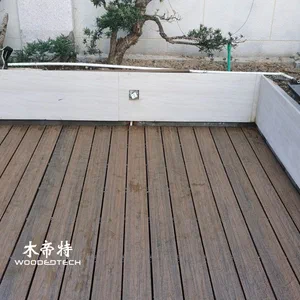
Wood plastic composite decking is manufactured from wood fibers and recycled polymers, creating a surface that looks similar to timber while reducing common outdoor problems such as rotting, cracking, and insect damage. Compared with natural wood, composite decking offers more stable performance in humid, rainy, and high-traffic environments.
Natural wood remains popular for premium residential projects because of its authentic grain, texture, and warm appearance. However, it requires regular sealing, staining, and protection against moisture and UV exposure. Traditional timber decking may have a lower initial purchase price, but long-term maintenance costs can become significant.
Aluminum decking provides excellent strength, fire resistance, and corrosion protection, making it suitable for commercial and industrial environments. Its disadvantages include higher upfront costs, a less natural appearance, and possible heat absorption under direct sunlight.
Other exterior materials, such as concrete, ceramic tiles, and stone, provide durability but often lack the comfort and installation flexibility required for outdoor leisure spaces. Composite decking balances aesthetics, performance, and lifecycle value for many residential, hospitality, and commercial applications.
Advantages and Disadvantages of Composite Decking
Key advantages of composite decking include:
- High resistance to moisture, mold, insects, and weather damage
- Lower maintenance compared with wood decking
- Consistent colors and wood grain textures
- Slip-resistant surface options for pools and outdoor areas
- Long service life with stable dimensional performance
- Compatibility with modern outdoor designs and commercial projects
However, composite decking also has limitations. The initial material cost is usually higher than basic timber, and lower-quality products may experience fading, expansion, or surface issues if they lack proper manufacturing technology. Professional suppliers and quality testing are important when selecting commercial-grade materials.
Maintenance Requirements and Lifecycle Cost Analysis
Maintenance is one of the biggest differences between decking materials. Natural wood typically requires annual inspection, cleaning, sealing, and refinishing. Timber exposed to changing weather conditions may need repairs caused by warping, splitting, or decay.
Composite decking usually requires only routine cleaning with water and mild detergent. There is no need for regular painting or staining, which reduces labor costs throughout the product lifespan. Although the purchase price may be higher, the reduced maintenance requirements often make composite decking cost-effective over 10 to 30 years.
For large-scale developments, lifecycle cost evaluation should include installation, replacement frequency, maintenance labor, and material performance. Composite decking can provide a strong return on investment where durability and appearance consistency are priorities.
Choosing the Right Decking Material for 2026 Projects
Material selection depends on project location, design expectations, budget, and maintenance goals. Wood remains suitable for projects requiring authentic natural character, while aluminum fits demanding industrial environments. Composite decking is increasingly selected for outdoor spaces that require a wood-like appearance with improved durability and predictable maintenance costs.

For architects, contractors, and developers, evaluating product quality, surface technology, warranty coverage, and supplier capability is essential. Advanced options such as capped composite decking and co-extrusion technology provide enhanced protection for demanding exterior applications.
FAQ
Q: Is composite decking more durable than natural wood? A: Composite decking generally offers better resistance to moisture, insects, and weather exposure, reducing common wood-related damage.
Q: Does composite decking require regular maintenance? A: Composite decking requires basic cleaning but usually does not need staining, sealing, or painting like natural timber.
Q: Is composite decking more expensive than wood? A: The initial cost is often higher, but lower maintenance and longer service life can reduce total lifecycle costs.
Related Articles
Related Products
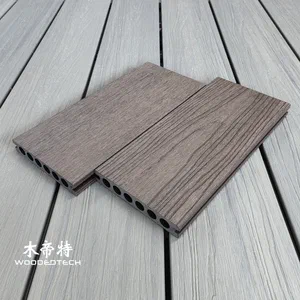 3DGD13823 Second Generation 3D Embossed Rosewood Composite Balcony Decking Delivers Ultra Realistic Wood Grain Texture and a Premium Natural Wood Experience
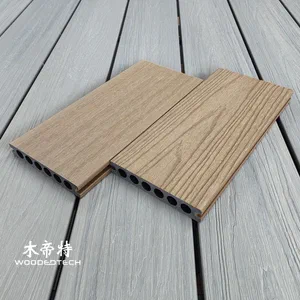 3DGD13823 Second Generation 3D Embossed Teak Decking Composite Material Features Ultra Realistic Wood Grain Texture for Elegant Outdoor Flooring
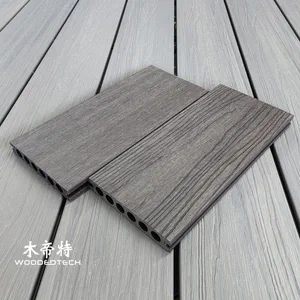 3DGD13823 Second Generation 3D Embossed Walnut WPC Decking Combines Ultra Realistic Wood Grain Texture with the Natural Beauty of Walnut for Outdoor Spaces