
Composite Wood Decking Tiles
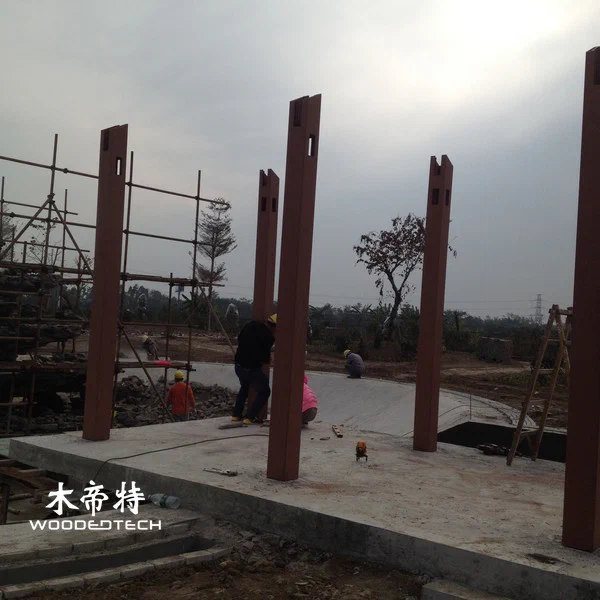
Designing high-performance outdoor wood plastic composite (WPC) formulas for products like decking tiles requires a careful balance of various components, such as wood fiber content, plastic ratio, and additives, while keeping an eye on cost control and product lifespan. This process not only ensures durability and aesthetic appeal but also enhances sustainability, making it increasingly relevant in today’s market.
Wood Fiber Content
The choice of wood fiber is crucial in determining the mechanical properties of WPC products. Generally, a higher wood fiber content contributes to better strength and stiffness, but it can also impact the product’s resistance to moisture and weathering. Typically, a wood fiber content ranging from 50% to 70% is ideal for outdoor applications. This range allows for sufficient rigidity while maintaining flexibility and resistance to environmental factors. Selecting the right type of wood fiber, such as recycled wood or specific hardwoods, can also influence the final product’s quality and performance.
Plastic Ratio
The plastic component of WPC formulations primarily includes polyethylene, polypropylene, or polyvinyl chloride (PVC). The ratio of plastic to wood fiber is typically adjusted based on the desired attributes of the final product. For instance, increasing the plastic content can enhance water resistance and overall durability, making it suitable for high-moisture environments. However, it may also lead to a decrease in rigidity. A balanced ratio, often around 30% to 50% plastic, is recommended to achieve a blend of toughness and stability.
Additives and Enhancements
Additives play a significant role in improving the overall performance of WPC products. Common additives include UV inhibitors, colorants, and anti-fungal agents. UV inhibitors are essential in outdoor applications as they protect the composite from sun damage and fading. Anti-fungal agents help prevent mold and mildew growth, which is especially important for products exposed to moisture. Additionally, incorporating slip-resistant materials can enhance safety, particularly for decking tiles. The choice and concentration of additives must align with performance goals while considering cost implications.
Cost Control
Cost control is a critical factor in the formulation process. High-quality raw materials and additives can significantly increase production costs, so it’s essential to find a balance between quality and affordability. Strategies such as sourcing local materials, optimizing the manufacturing process, and employing efficient production techniques can help keep costs down. Additionally, using recycled materials can not only reduce expenses but also enhance the product’s environmental appeal.

Product Lifespan
A well-designed WPC formula should prioritize longevity. The right combination of wood fiber, plastic, and additives can lead to a product that withstands the rigors of outdoor use, including temperature fluctuations, moisture exposure, and physical wear. Testing the product for durability and resistance to various environmental factors is crucial during the development phase. Establishing a rigorous quality assurance process ensures that the final product meets or exceeds industry standards for performance and safety.
By carefully considering these factors, manufacturers can create high-performance outdoor wood plastic composite decking tiles that meet consumer demands for durability, aesthetics, and sustainability. The ongoing innovation in WPC formulations will continue to enhance the versatility and appeal of these products in the market.
Related Articles
Related Products
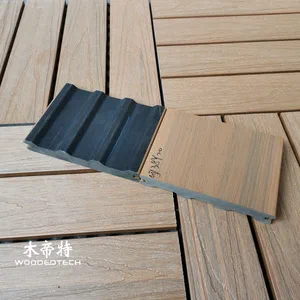 GD13820 M Shape Co Extruded Composite Deck Planks Feature a Special Profile Design for Distinctive Outdoor Decking Applications
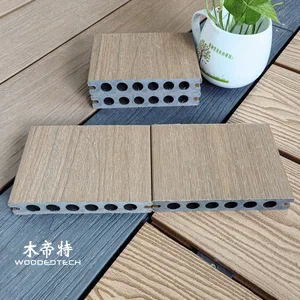 GD13823 Double Sided Flat Surface Co Extruded WPC Decking Features a Popular Width and Thickness with Round Hollow Structure
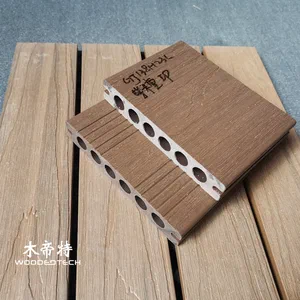 GD13823-3 Composite Boards for Decking Are Available in Multiple Stock Colors with 3 Meter Lengths and Single Piece Delivery