
Composite Wood Decking Price Per Square Foot Cost Guide
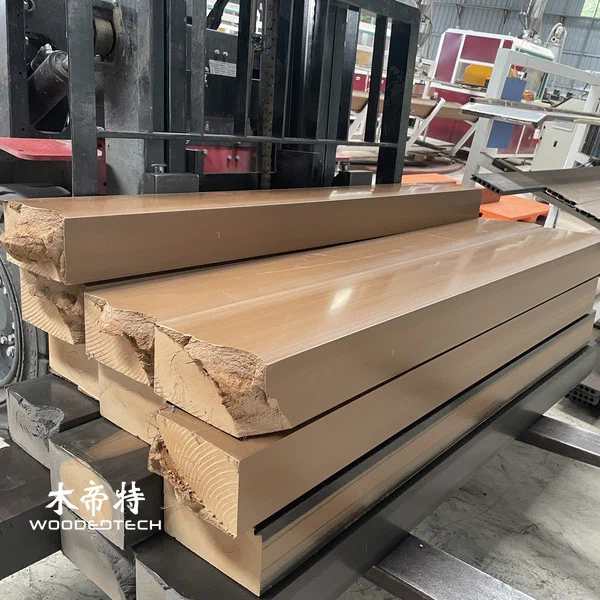
Composite wood decking price per square foot is one of the first numbers B2B buyers ask for when comparing outdoor flooring options. This cost guide helps you understand what drives pricing, what specifications matter, and how to evaluate value beyond the unit rate. It is designed for importers, distributors, contractors, and project buyers sourcing reliable WPC decking for commercial use.
What affects the price per square foot
Composite decking pricing is shaped by raw material ratio, board structure, surface treatment, and order volume. Capped and co-extrusion products usually cost more than basic uncapped boards, but they also offer stronger stain resistance, better color stability, and longer service life. For foreign trade buyers, freight, packaging, and destination duties can also change the final landed cost more than the factory price itself.
Typical cost differences depend on:
- Solid or hollow board structure
- Capped, co-extruded, or standard surface finish
- Board thickness, width, and length
- Embossed grain style or slip-resistant texture
- OEM branding, custom colors, and packaging requirements
Key product features
Composite wood decking combines wood fiber and polymer for a stable outdoor surface that resists rot, insects, and moisture. It is widely chosen for projects that need a cleaner appearance than traditional timber and lower maintenance over time. Many buyers also prefer it because it supports consistent batch production, which is important for multi-site construction and export programs.
Main benefits include:
- Low maintenance, no staining or sealing required
- Weather resistance for humid, rainy, and sunny climates
- Better slip resistance for pools, patios, and public walkways
- Uniform color and texture for large projects
- Export-friendly packaging and scalable supply

Main specifications
A typical commercial-grade product is supplied as wpc decking or wood plastic composite decking boards with groove or embossed surfaces. Common sizes range from 140 to 195 mm in width, 20 to 25 mm in thickness, and standard export lengths such as 2.2 m, 2.9 m, 3.6 m, or custom cut lengths. Surface options may include wood grain, brushed, or 3D embossed finishes, depending on project requirements.
Buyers usually confirm these details before quoting:
- Material: wood plastic composite
- Surface: capped, co-extrusion, or embossed
- Density and weight per meter
- Color options: teak, gray, coffee, walnut, and custom tones
- Installation method: clip-fixed or screw-fixed
Typical applications
This product is used in residential terraces, hotel decks, resort boardwalks, villa balconies, commercial outdoor seating areas, and pool surrounds. It also fits public landscape projects, garden paths, rooftop platforms, and retail outdoor zones where appearance and durability both matter. For B2B buyers, it is a practical choice when the project needs stable pricing, repeat supply, and a product that performs well across different climates.
FAQ
Q: What is included in the composite decking price per square foot? A: It usually covers the board itself only. Final cost may also include clips, joists, freight, taxes, and installation.
Q: Is capped composite decking worth the higher price? A: For most commercial projects, yes. It offers better surface protection and can reduce maintenance costs over time.
Q: Can the boards be customized for export orders? A: Yes. Many factories support custom colors, lengths, packaging, and branding for bulk overseas buyers.
Related Articles
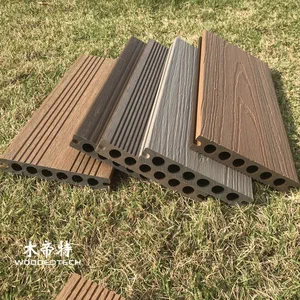
Related Products
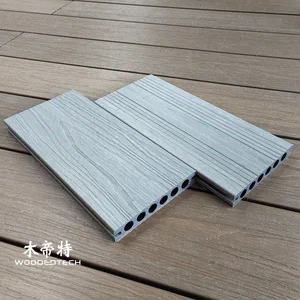 Antique Wood GD13823-3 Co Extruded Composite Wood Decking Boards with Round Holes Are Available in Stock in 3 Meter Lengths Year Round
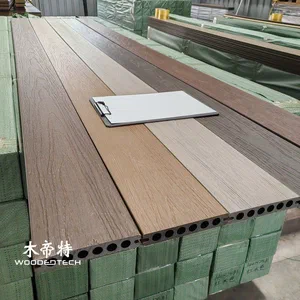
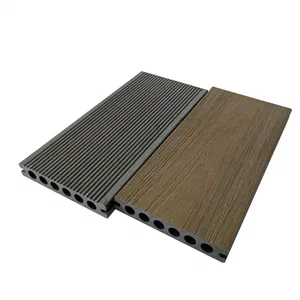 GD14023 Composite Decking Versus Wood Decking Features a Round Hole Structure with Semi Capped Co Extrusion
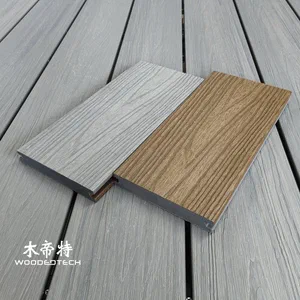 Second Generation Two Color Co Extruded 3D Embossed 3DGD14023S Composite Wood Deck Boards Feature an Extremely Realistic Antique Wood and Teak Grain Texture