
Composite Wood Decking Cost Depends On Material Quality Design And Project Requirements

Composite wood decking, often referred to as WPC (wood-plastic composite), presents a viable alternative to traditional materials such as natural wood, aluminum, and other exterior options. This article delves into the various features of outdoor WPC compared to these alternatives, focusing on advantages, disadvantages, maintenance requirements, and lifecycle costs.
Advantages of Outdoor WPC
Outdoor WPC offers numerous benefits over natural wood and traditional timber. It is highly resistant to moisture, mold, and insects, which significantly extends its lifespan. Additionally, WPC requires minimal upkeep compared to natural wood, which often necessitates regular staining or sealing to maintain its appearance and durability. WPC also comes in a variety of colors and textures, allowing for greater design flexibility.
Another advantage is the eco-friendly aspect of composite materials, as they are often made from recycled materials. This makes them a sustainable choice for environmentally conscious consumers.

Disadvantages of Outdoor WPC
Despite its advantages, WPC is not without drawbacks. One notable disadvantage is that it can sometimes be more expensive upfront than traditional wood. While it may save money over time due to lower maintenance costs, the initial investment can deter some buyers. Additionally, WPC can be prone to fading and scratching, particularly in high-traffic areas, which might affect its aesthetic appeal.
Maintenance Requirements
In terms of maintenance, outdoor WPC is relatively low-maintenance. It typically requires only occasional cleaning with soap and water to remove dirt and debris. Unlike natural wood, there’s no need for periodic sealing or staining. Traditional timber, on the other hand, demands significant care, including regular treatments to prevent rot, warping, and insect damage.
Aluminum and other metal materials also require maintenance, though it’s often less frequent than wood. However, they can be susceptible to corrosion and might need protective coatings over time.
Lifecycle Costs
When evaluating lifecycle costs, WPC often proves to be more economical in the long run. While the initial purchase price can be higher than natural wood, the reduced maintenance costs and longer lifespan of WPC can lead to substantial savings over time. Traditional timber can incur ongoing costs due to regular treatments and repairs, and aluminum, while durable, may also require specific maintenance to prevent corrosion.
Conclusion
Choosing the right material for outdoor applications involves weighing the benefits and drawbacks of each option. WPC stands out for its durability and low maintenance needs, making it a strong contender against natural wood, aluminum, and other exterior materials.
FAQ
Q: How does WPC compare in cost to natural wood? A: WPC may have a higher initial cost than natural wood but offers lower maintenance costs, making it more economical in the long run.
Q: What maintenance does WPC require? A: WPC requires minimal maintenance, typically just occasional cleaning with soap and water, unlike natural wood that needs regular sealing or staining.
Q: Is WPC environmentally friendly? A: Yes, many WPC products are made from recycled materials, making them a sustainable choice for outdoor projects.
Related Articles
 HDPE Composite Lumber Offers Strong and Durable Material Solutions for Outdoor Construction Projects
 Composite Deck Gasket Provides Better Protection And Stability For Outdoor Decking Installation
 Composite Deck Plans Help Create Functional And Beautiful Outdoor Living Spaces
 Composite Decking Pros And Cons Help Buyers Understand Performance And Application Benefits
Related Products
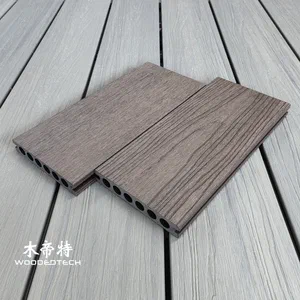 3DGD13823 Second Generation 3D Embossed Rosewood Composite Balcony Decking Delivers Ultra Realistic Wood Grain Texture and a Premium Natural Wood Experience
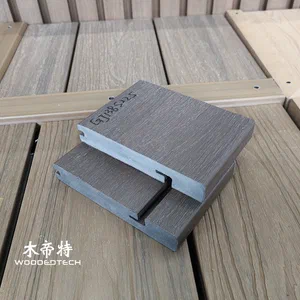 GD13822.5S Fully Capped Solid Starter Wood Polymer Composite Decking Provides a Stable Starting Structure for the First Decking Board
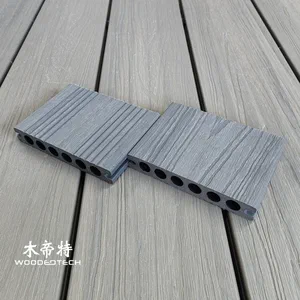 GD13823-3 Light Grey Premium Co Extrusion WPC Composite Decking Offers LG Texture and Excellent UV Resistance for Outdoor Spaces