
Composite wood deck sealer helps maintain the appearance and performance of outdoor decking
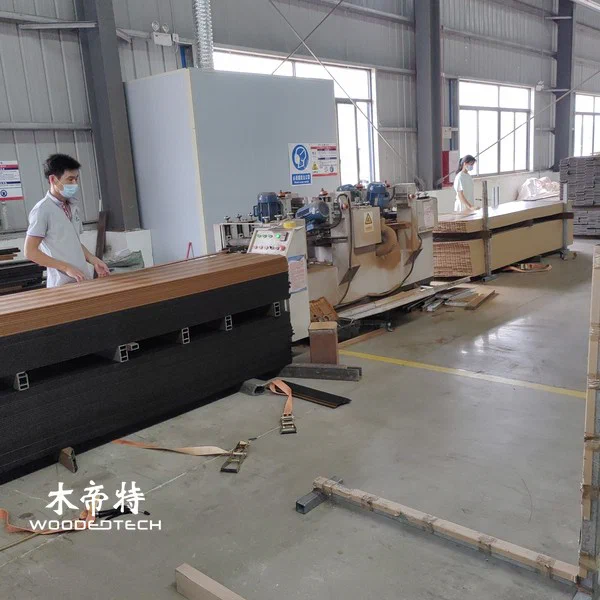
Composite wood deck sealer helps maintain the appearance and performance of outdoor decking by reducing surface wear, limiting stain absorption, and slowing color fading. For WPC decks, the right sealer can also make routine cleaning easier and help the boards stay stable through seasons of sun, rain, and temperature changes.
Common installation mistakes to check first
Many service calls start with installation errors, not product failure. If the deck feels uneven, noisy, or starts opening at the joints, check joist spacing, screw type, and the required expansion gaps at the perimeter and between boards.
Typical problems include:
- Boards installed too tightly with no room to expand
- Fasteners driven too deep or at the wrong angle
- Inadequate support under board ends
- Missing edge clearance near walls, posts, or fixed objects
If the deck was installed in hot weather, boards may have been locked in while expanded. When temperatures drop, the gaps can look larger than expected. That is usually a movement issue, not a defect.
Color differences and surface appearance
Slight color variation is normal in wood plastic composite decking, especially across different production batches or after the deck has weathered for a few weeks. Sun exposure, shade, and nearby reflections can make one area appear lighter or darker.
A sealer will not completely change the color of composite boards, but it can help the surface look more uniform by reducing uneven staining and minimizing moisture marks. Before applying any treatment, clean the deck thoroughly and test a small hidden area first. If the boards are capped, use only a sealer approved for capped composite decking.
Expansion, scratches, and maintenance issues
Expansion problems usually show up as buckling, lifting, or tight joints. Confirm that ventilation under the deck is not blocked and that drainage is working. Composite decking still needs space to move, especially on long runs and in full sun.
For scratches, most light marks can be softened by cleaning and gentle brushing. Avoid aggressive sanding unless the manufacturer allows it, because it can damage the cap layer or change the surface texture. Deep scratches may need board replacement rather than repair.

Routine maintenance is simple:
- Sweep off grit and leaves regularly
- Wash with mild soap and water
- Remove oil or food stains quickly
- Reapply sealer only if the product is compatible with composite surfaces
When a sealer helps most
A composite wood deck sealer is most useful when the deck is exposed to heavy weather, frequent spills, or strong UV. It should be seen as a maintenance aid, not a fix for structural problems. If the deck has movement, poor drainage, or installation faults, correct those first before sealing.
FAQ
Q: Can I use a normal wood sealer on WPC decking? A: Not always. Many wood sealers are not suitable for composite surfaces, so always check the manufacturer’s compatibility guidance first.
Q: Why do my deck boards look different in color after installation? A: New composite boards often vary slightly by batch, and weathering can change the look over time. Cleaning and even sun exposure usually reduce the difference.
Q: What should I do if my deck boards are expanding? A: Inspect the gaps, fasteners, and ventilation under the deck. If the boards were installed too tightly, the installation may need adjustment.
Related Articles
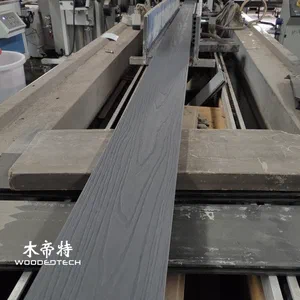 High-Quality WPC Decking UK Standard - Weatherproof Composite Decking Supplier
 Composite deck manufacturers list helps buyers find reliable global WPC decking suppliers
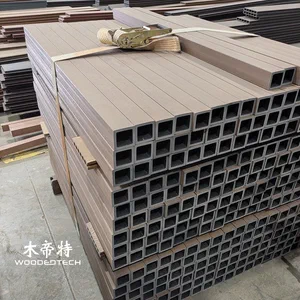 Composite decking instructions help installers complete outdoor flooring projects correctly
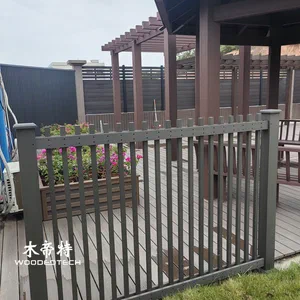 Composite decking spacing guidelines ensure proper installation and long term outdoor performance
Related Products
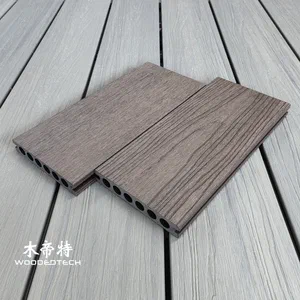 3DGD13823 Second Generation 3D Embossed Rosewood Composite Balcony Decking Delivers Ultra Realistic Wood Grain Texture and a Premium Natural Wood Experience
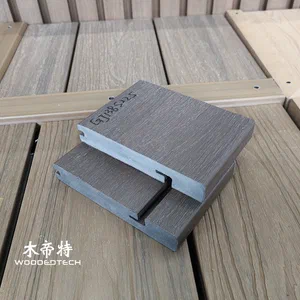 GD13822.5S Fully Capped Solid Starter Wood Polymer Composite Decking Provides a Stable Starting Structure for the First Decking Board
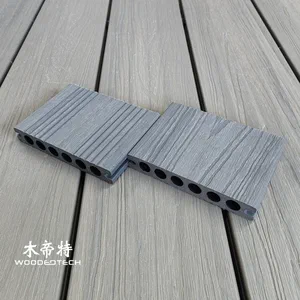 GD13823-3 Light Grey Premium Co Extrusion WPC Composite Decking Offers LG Texture and Excellent UV Resistance for Outdoor Spaces