Composite Vertical Cladding for Modern Exterior Walls and Long Lasting Outdoor Building Applications
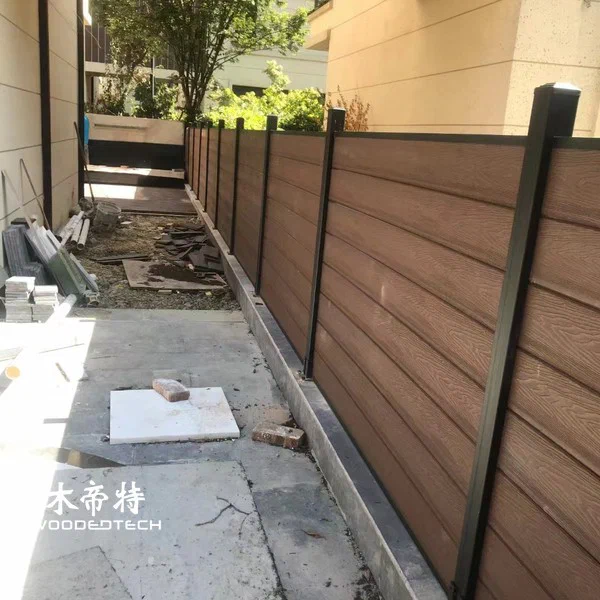
Architects and landscape designers increasingly turn to wood plastic composite (WPC) products for creating outdoor environments that are both durable and low-maintenance. These materials offer an ideal combination of aesthetic appeal and practical functionality, making them perfect for modern exterior walls and various outdoor applications. By utilizing WPC, professionals can design outdoor spaces that not only look great but also stand the test of time.
Advantages of WPC in Outdoor Design
WPC products are engineered to withstand harsh weather conditions and resist common outdoor issues like rot, splintering, and insect damage. This resilience makes them an attractive choice for architects and landscape designers who want to minimize upkeep while maximizing durability. Additionally, WPC is available in various textures and colors, allowing for creative freedom in design. The wood-like appearance of WPC can enhance the visual appeal of a structure without the drawbacks associated with natural wood.
Project Considerations
When selecting WPC materials for a project, several factors should be considered:
Climate and Environment: Understand the local weather conditions that will affect the installation. WPC is generally resistant to moisture and temperature fluctuations, but specific products may perform better in certain climates.
Installation Method: Determine whether the chosen WPC product requires special installation techniques. Some panels may need specific framing or fastening systems, while others can be installed more straightforwardly.

- Aesthetic Goals: Consider the visual impact of the WPC. Depending on the design’s objectives, choosing a WPC with a specific finish or texture can significantly influence the overall appearance.
Material Selection Advice
Choosing the right WPC product involves evaluating both performance and visual qualities. For vertical cladding, select products that feature:
Weather Resistance: Look for WPC designed to withstand UV exposure and moisture to ensure longevity.
Color Retention: Choose materials with fade-resistant properties to maintain the desired look over time.
Ease of Maintenance: Opt for fully capped composite options that offer the best protection against stains and dirt, further reducing maintenance needs.
Sustainability: If environmental impact is a priority, select eco-friendly WPC products made from recycled materials.
By thoughtfully considering these elements, architects and landscape designers can effectively utilize WPC products to create stunning, functional outdoor spaces that require minimal maintenance.
FAQ
Q: What are the main benefits of using WPC for outdoor applications?
A: WPC offers durability, low maintenance, and resistance to weather damage, making it an ideal choice for outdoor environments.
Q: How do I choose the right WPC product for my project?
A: Consider factors like climate, installation method, aesthetic goals, and the specific properties of the WPC, such as weather resistance and sustainability.
Q: Can WPC products be customized for specific design needs?
A: Yes, many manufacturers offer customization options for WPC products, allowing for tailored solutions to meet unique design requirements.
Related Articles
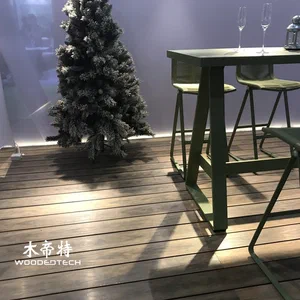 WPC Wood Flooring for Durable Outdoor Decks Patios Gardens and Landscape Applications
 Wood Plastic Deck Boards Combine Natural Appearance with Durable Outdoor Performance
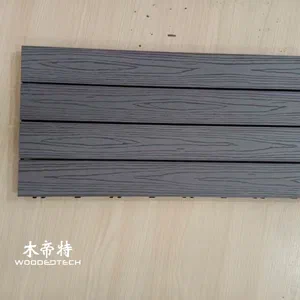 WPC Wall Fence for Modern Outdoor Privacy Protection and Durable Landscape Applications
 WPC Cladding Outdoor Systems Create Modern Exterior Walls with Weather Resistant Performance
Related Products
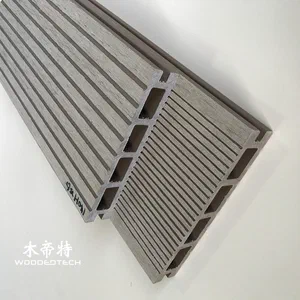 D14025-3 Composite Lumber for Decks Features a Classic Double Sided Groove Design with Excellent Value for Outdoor Projects
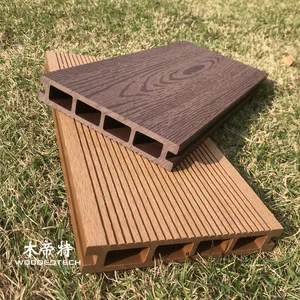 D14025-4 Composite for Decking Provides Stable Performance and Reliable Quality as a Popular Choice for Outdoor Projects
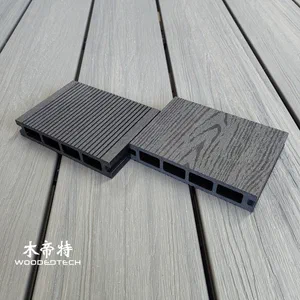 D14025-4 WPC Decking Boards Feature a Flat Wood Grain Surface with Black Ebony Heartwood Ring Grain for Outdoor Applications