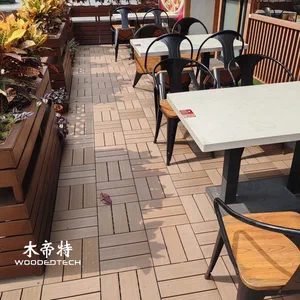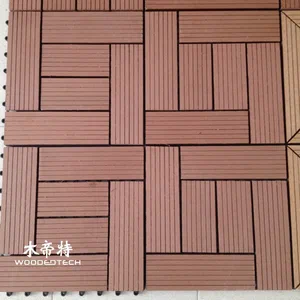
Composite Tiles for Patio: A B2B Guide to Durable Outdoor Solutions
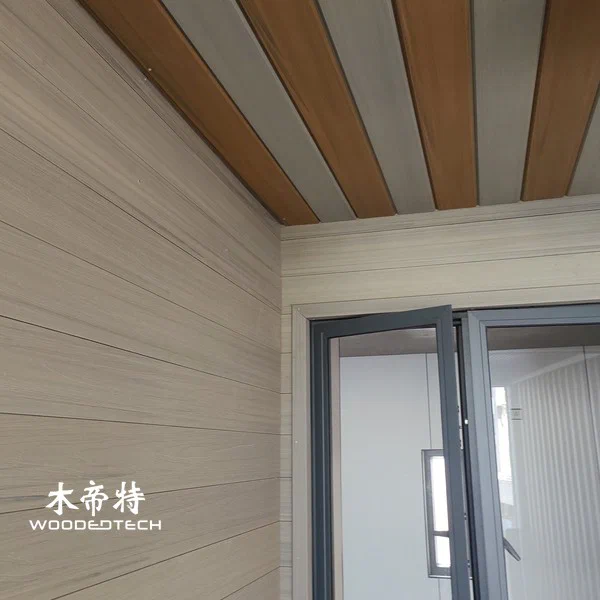
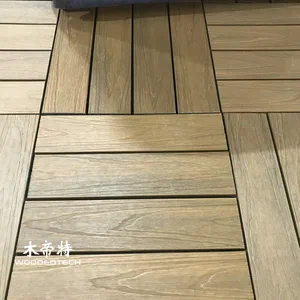
Composite tiles for patio offer international buyers a practical alternative to traditional wood and ceramic surfaces, combining wood-like appearance with weather resistance and low maintenance. For wholesalers, distributors, and outdoor project suppliers, WPC composite deck tiles can provide a flexible flooring solution for patios, balconies, terraces, and commercial outdoor areas.
Why Choose Composite Tiles for Patio Projects?
Wood plastic composite tiles are manufactured from a blend of wood fiber and polymers, giving them a balance of dimensional stability, durability, and visual appeal. Compared with conventional wood tiles, composite patio tiles are less vulnerable to moisture, rot, and insect damage, while requiring less routine maintenance.
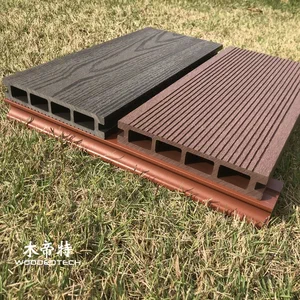
For B2B buyers, product consistency is equally important. A reliable WPC tiles manufacturer should control raw material ratios, extrusion temperature, surface treatment, tile dimensions, color consistency, and quality inspection throughout production. Depending on the application, buyers can specify solid or hollow structures, wood-grain textures, anti-slip surfaces, and different interlocking systems.
Key Factors for International Buyers
When sourcing wholesale composite deck tiles, evaluate the product beyond its appearance. Important purchasing criteria include:
- Material formulation and WPC content
- Load-bearing performance and dimensional stability
- Surface texture and slip resistance
- UV and weather resistance
- Interlocking or snap-together installation
- Color and grain consistency between batches
- Packaging, container loading efficiency, and MOQ
- Available customization for private-label or project requirements
For exposed patios, outdoor deck tiles should be tested for water absorption, temperature changes, surface wear, and long-term outdoor exposure. A professional manufacturer can also provide technical specifications, installation guidance, samples, and production documentation to support distributor and project requirements.

Composite Tiles vs. Wood Tiles
Composite tiles generally reduce maintenance compared with natural wood because they do not require regular staining or sealing to maintain their basic outdoor performance. Their modular design is another advantage: individual tiles can often be removed or replaced without dismantling an entire patio surface.
For importers, however, the right product depends on the target market. Climate, installation method, expected foot traffic, local building requirements, price positioning, and customer preferences should all be considered. A manufacturer offering customized composite tiles can adjust dimensions, colors, surface patterns, packaging, and branding to suit different distribution channels.
What to Request From a WPC Manufacturer
Before placing a bulk order, request product samples, technical data, test reports where applicable, installation instructions, packaging details, and a clear quotation based on the required quantity. Buyers should also confirm production capacity, lead time, quality-control procedures, and whether the supplier supports OEM or private-label programs.
For distributors building a long-term outdoor flooring range, consistent production and responsive technical support can be as important as the initial composite deck tiles price.
FAQ
Q: Are composite patio tiles suitable for outdoor use? A: Yes. WPC composite tiles are designed for outdoor applications such as patios, balconies, terraces, and garden areas, with suitable weather-resistant formulations.
Q: How are composite deck tiles installed? A: Many products use interlocking bases that allow relatively fast installation without extensive construction work, although the specific method depends on the tile design and substrate.
Q: What should importers check before buying wholesale composite deck tiles? A: Check material formulation, dimensions, load performance, slip resistance, weather resistance, packaging, MOQ, quality-control procedures, and customization options.