Composite Teak for Durable Outdoor Decking Furniture Cladding and Landscape Applications
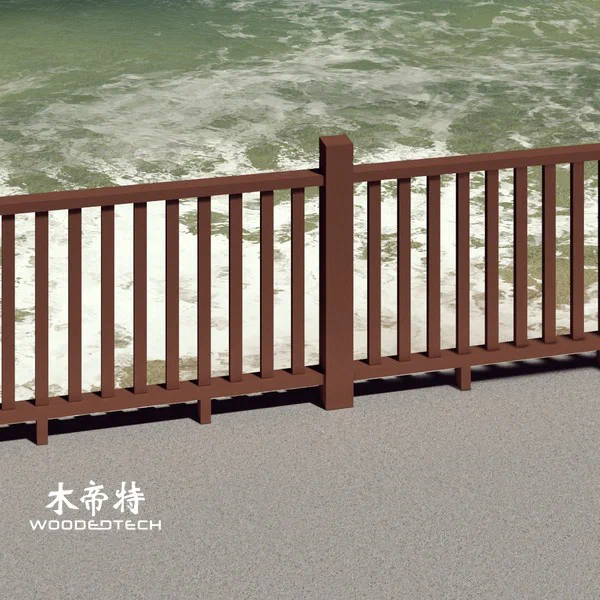
Designing high-performance outdoor wood plastic composite (WPC) formulas for applications such as decking, wall cladding, fencing, pergolas, and landscape products involves careful consideration of material composition and performance characteristics. This process balances wood fiber content, plastic ratio, additives, cost control, and product lifespan while aiming for durability and aesthetic appeal.
Material Composition
The foundation of any successful WPC formula is the balance between wood fibers and plastic. Typically, wood fibers provide strength and a natural aesthetic, while plastics contribute flexibility and resistance to moisture. An ideal wood fiber content generally ranges from 30% to 70%, depending on the desired performance. Higher wood content can enhance the composite’s natural look but may reduce moisture resistance. Conversely, increasing plastic content can improve durability and longevity but may detract from the authentic wood feel.

Additives and Enhancements
Additives play a crucial role in enhancing the properties of WPC. Incorporating UV stabilizers helps protect the composite from sun damage, while anti-fungal agents prevent mold and mildew growth. Colorants can also be added to achieve different aesthetics. Other additives may include fire retardants for safety and impact modifiers to enhance toughness. The selection of these additives should align with the intended application and environmental exposure of the final product.
Cost Control
Cost management is vital in WPC development, particularly in a competitive market. Achieving a balance between high-quality materials and cost-effective solutions is essential. Using recycled materials, such as reclaimed wood or recycled plastics, can help reduce costs while promoting sustainability. Additionally, optimizing the production process to improve efficiency can lower overall manufacturing expenses.
Product Lifespan and Performance
The longevity of WPC products is a primary concern for manufacturers and consumers alike. To ensure a long lifespan, the formulation must resist fading, warping, and splintering. This can be achieved by carefully selecting the right plastic type, such as polyethylene or PVC, which have varying levels of durability and resistance to environmental factors. Testing the final product under various climate conditions will help assess its performance and lifespan, guiding any necessary adjustments in the formulation.
Conclusion
In developing high-performance WPC formulas for outdoor applications, manufacturers must carefully balance wood fiber content, plastic ratios, and additives while keeping an eye on cost control and product longevity. By focusing on these key areas, it is possible to create durable and attractive composite products that meet the needs of the market.
FAQ
Q: What is the ideal wood fiber content for outdoor WPC products?
A: The ideal wood fiber content typically ranges from 30% to 70%, depending on the required performance and aesthetic qualities.
Q: How can additives improve WPC performance?
A: Additives such as UV stabilizers, anti-fungal agents, and fire retardants enhance durability, resistance to environmental factors, and safety.
Q: What role does cost control play in WPC formulation?
A: Effective cost control allows manufacturers to balance quality with affordability, often by using recycled materials and optimizing production processes.
Related Articles
 Is Plastic Wood Toxic And What Makes WPC Materials Safe For Outdoor Applications
 WPC Deck Flooring for Durable Outdoor Patios Gardens Balconies and Landscape Applications
 WPC Wood Flooring for Durable Outdoor Decks Patios Gardens and Landscape Applications
 Composite Deck Gasket Provides Better Protection And Stability For Outdoor Decking Installation
Related Products
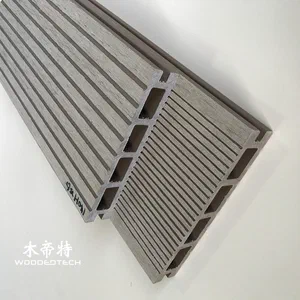 D14025-3 Composite Lumber for Decks Features a Classic Double Sided Groove Design with Excellent Value for Outdoor Projects
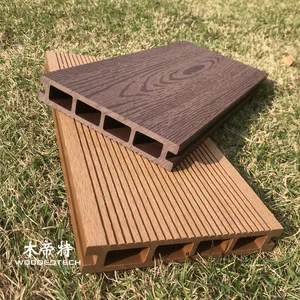 D14025-4 Composite for Decking Provides Stable Performance and Reliable Quality as a Popular Choice for Outdoor Projects
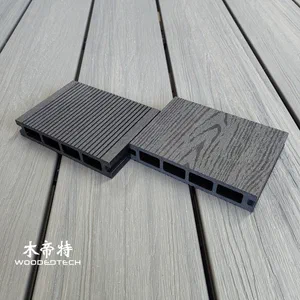 D14025-4 WPC Decking Boards Feature a Flat Wood Grain Surface with Black Ebony Heartwood Ring Grain for Outdoor Applications