
composite shed cladding provides attractive protection and improved appearance for outdoor storage buildings

Composite shed cladding gives outdoor storage buildings a cleaner look and a longer service life while supporting more responsible material use. As a wood plastic composite solution, it combines recycled plastic and wood fibers to reduce demand for virgin timber without sacrificing the weather resistance buyers expect from outdoor building materials.
Why It Is Considered Sustainable
The environmental case for outdoor WPC starts with its feedstock. Many composite shed cladding products are made with recycled plastics and recovered wood flour, which helps divert waste from landfill and lowers reliance on freshly cut lumber. That matters in applications like sheds, where the surface needs to perform well outdoors but does not need to be solid timber to do the job.
Reducing wood consumption is a practical benefit, not just a marketing point. A composite exterior cover can deliver the appearance of wood grain or a clean modern finish while using less natural timber across the product lifecycle. For projects that value both appearance and resource efficiency, composite shed cladding fits that brief well.
Performance That Extends Service Life

Durability is one of the strongest reasons to choose outdoor WPC. Traditional timber cladding can swell, split, rot, or need frequent treatment when exposed to rain, sun, and temperature changes. Composite shed cladding is built to handle those conditions more consistently, which helps the structure stay presentable for longer.
That longer service life also supports sustainability. A product that lasts longer usually needs fewer replacements, less transport, and less material turnover over time. For outdoor storage buildings, that translates into a lower maintenance burden and less waste generated by repeated repairs or repainting.
Low Maintenance, Lower Impact
Another advantage is how little upkeep composite cladding needs. It typically avoids the cycle of sanding, sealing, staining, and repainting that timber often requires. A simple wash is usually enough to keep the surface looking tidy, which saves labor, cleaning products, and ongoing maintenance costs.
For property owners and trade buyers, that simplicity is part of the value. It keeps sheds looking finished and protected without turning routine care into a recurring job. In commercial or residential settings, the time saved on maintenance is a meaningful operational benefit.
Appearance for Functional Buildings
Sheds are often treated as purely practical structures, but the exterior still affects the overall look of a property. Composite shed cladding helps storage buildings blend better with homes, gardens, and landscaped areas by giving them a more refined and uniform finish. It can improve curb appeal while still serving the core job of shielding the structure from the elements.
FAQ
Q: Why is outdoor WPC considered environmentally friendly? A: It often uses recycled plastic and recovered wood fibers, which reduces demand for virgin timber and helps reuse waste materials.
Q: Does composite shed cladding last longer than timber? A: In most outdoor conditions, yes. It is designed to resist moisture, decay, and weather-related wear better than untreated wood.
Q: Is composite shed cladding hard to maintain? A: No. It usually needs only basic cleaning, which makes it easier to maintain than painted or stained timber surfaces.
Related Articles
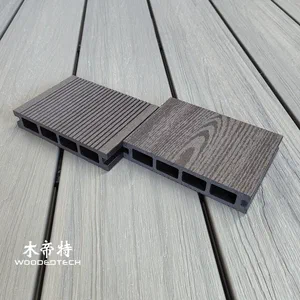 extruded wood composites provide versatile material solutions for modern outdoor construction
 wpc cladding meaning explains the features and applications of wood plastic composite exterior wall systems
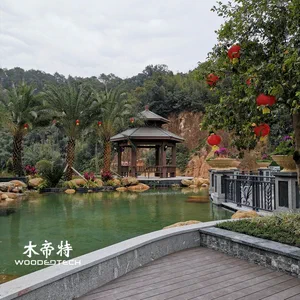 composite decking deck boards provide attractive outdoor flooring with low maintenance advantages
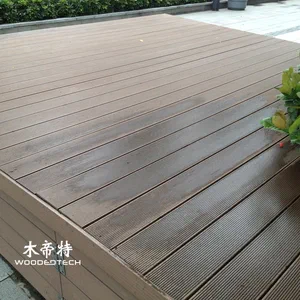 ground level composite deck provides a comfortable outdoor space with easy maintenance benefits
Related Products
 B1409.5 Siding WPC Exterior Boards Provide Waterproof Insect Resistant and Durable Outdoor Wall Solutions
 F4030 wpc exterior solid decorative square strips provide versatile outdoor decoration and landscaping solutions
 D14025-3 cheapest composite decking with classic redwood color provides reliable outdoor flooring performance proven over time