Composite Railing Kit Selection Guide for Industrial Projects
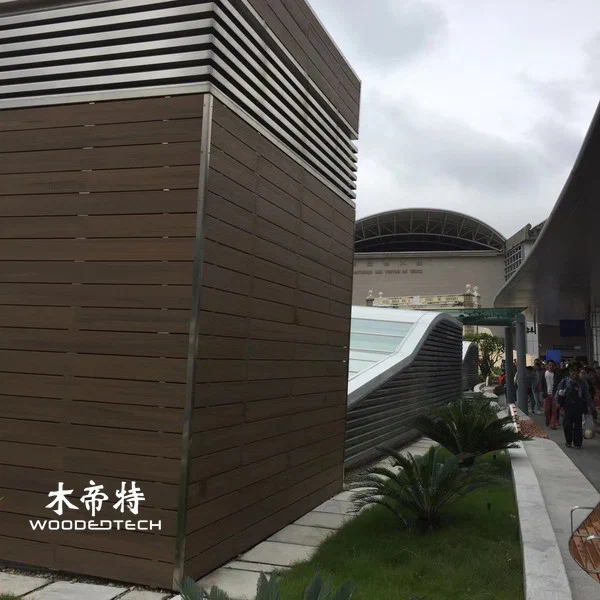
A composite railing kit for industrial projects must balance safety, durability, appearance, and long-term operating costs. Compared with natural wood, timber, aluminum, and other exterior materials, WPC railing systems provide a practical solution for commercial environments where low maintenance and weather resistance are essential.
Material Comparison for Industrial Exterior Railing
Outdoor railing systems are exposed to rain, UV radiation, temperature changes, chemicals, and frequent use. Traditional timber offers a natural appearance and strong structural performance, but it requires regular sealing, staining, and inspection to prevent rot, cracking, and insect damage. Natural wood can also experience color fading and dimensional changes over time.

Aluminum railing is lightweight, corrosion resistant, and requires minimal maintenance. However, it has a higher initial material cost in many markets and may provide a more industrial appearance compared with wood-look solutions. Steel and other metal railings offer strength for heavy-duty applications but often require protective coatings to prevent corrosion, especially in humid or coastal environments.
Outdoor WPC railing combines recycled wood fibers and polymer materials to create a wood-like surface with improved moisture resistance. It provides the visual appeal of timber while reducing common problems such as warping, splintering, and frequent repainting.
Advantages and Limitations of Composite Railing Kits
For industrial projects, composite railing kits simplify installation through pre-designed components, matching posts, connectors, and accessories. A well-designed system can reduce labor time while maintaining consistent appearance across large developments.
Key advantages include:
- Low maintenance requirements compared with natural wood
- Resistance to moisture, rot, and insect damage
- Stable appearance with UV-resistant surface treatments
- Comfortable hand feel without wood splinters
- Flexible design options for commercial landscapes, walkways, and facilities
However, WPC railing also has some limitations. It generally has lower load-bearing strength than some steel systems and must be selected according to project safety standards. Quality differences between manufacturers can affect color stability, expansion control, and long-term performance.
Lifecycle Cost and Project Selection Factors
Initial purchase price is only one part of a railing investment. Timber may have a lower upfront cost but requires ongoing maintenance materials and labor. Aluminum typically offers a longer service life with limited upkeep but can involve higher procurement costs. WPC railing sits between these options by offering balanced installation costs and reduced maintenance expenses over the product lifecycle.
When selecting a composite railing kit for industrial applications, buyers should evaluate material quality, load requirements, climate conditions, warranty coverage, and supplier manufacturing capability. Projects near water, factories, public spaces, or high-traffic areas often benefit from materials designed for long-term outdoor exposure.
FAQ
Q: Is WPC railing more durable than traditional wood railing? A: WPC railing is generally more resistant to moisture, insects, and surface damage than untreated wood, making it suitable for long-term outdoor use.
Q: Does composite railing require regular maintenance? A: Composite railing usually requires only routine cleaning, with no regular painting, staining, or sealing like traditional timber systems.
Q: How do I choose a composite railing kit for an industrial project? A: Select a system based on safety requirements, environmental conditions, installation method, and supplier quality standards.
Related Articles
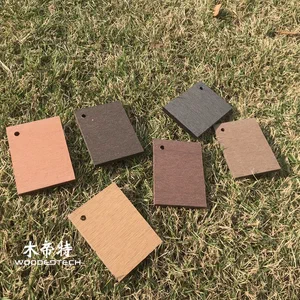
Related Products
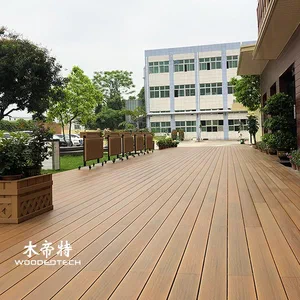
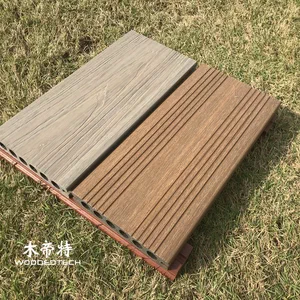 GD13823-3 Second Generation Co Extruded Wood Plastic Composites With High Quality Stable Performance For Premium Outdoor Applications
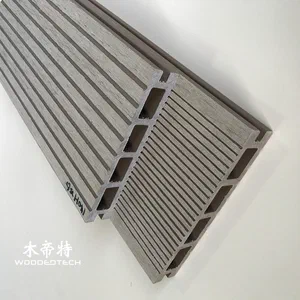 D14025-3 Composite Lumber for Decks Features a Classic Double Sided Groove Design with Excellent Value for Outdoor Projects
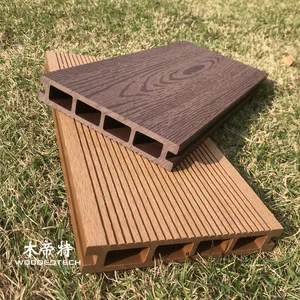 D14025-4 Composite for Decking Provides Stable Performance and Reliable Quality as a Popular Choice for Outdoor Projects