
Composite Railing for Deck: A B2B Guide to Materials, Performance and Installation
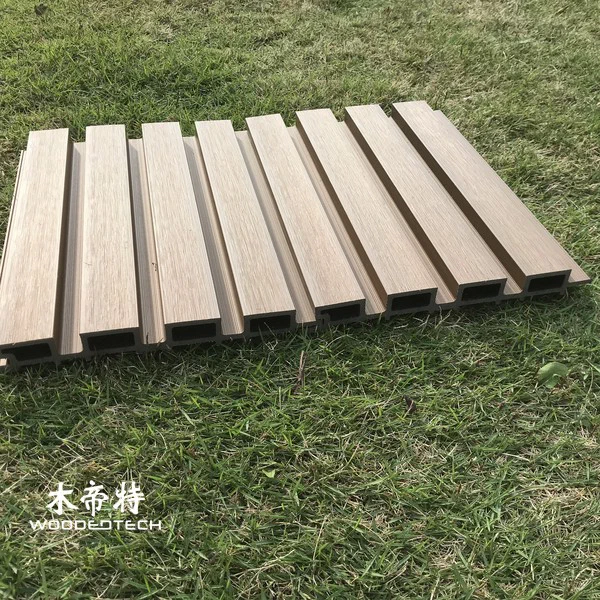
Composite railing for decks provides a durable, low-maintenance barrier system for residential and commercial outdoor spaces. Made from wood-plastic composite (WPC), it combines the appearance of natural timber with improved resistance to moisture, weathering, and everyday outdoor exposure. For B2B buyers, selecting the right composite railing involves evaluating material composition, structural performance, installation requirements, and suitability for different project environments.
Understanding Composite Railing Materials
Composite railing is generally manufactured from a mixture of wood fibers or wood flour, thermoplastic polymers, and functional additives. The specific formulation influences the product’s strength, dimensional stability, surface appearance, and weather resistance. Common polymers include polyethylene (PE), polypropylene (PP), and PVC-based materials, although their properties and manufacturing processes differ.
For outdoor deck projects, buyers can choose between solid and hollow composite railing profiles. Solid profiles offer greater material density and may be suitable for applications requiring additional rigidity. Hollow profiles reduce product weight and material consumption, making transportation and handling easier. However, their suitability depends on wall thickness, internal structure, connection design, and tested load performance.
Surface technology is another important consideration. Conventional WPC railing offers a consistent composite finish, while co-extruded products feature an additional protective polymer layer. This outer layer can improve resistance to staining, moisture penetration, fading, and surface wear. For projects exposed to strong sunlight or frequent rainfall, UV-resistant composite railing is worth considering.
Color and texture should also match the surrounding architecture. Popular options include teak, walnut, grey, charcoal, and natural brown. Wood-grain finishes provide a traditional appearance, while smooth surfaces work well with contemporary commercial and residential designs.
Performance Requirements for Outdoor Deck Applications
The primary purpose of deck railing is to provide fall protection and define the usable outdoor space. Unlike decorative fencing, composite railing must function as part of a properly engineered guard system. Material selection should therefore consider the complete assembly rather than the railing profile alone.
Important performance factors include:
- Structural strength: Posts, top rails, bottom rails, brackets, and connectors must work together to withstand applicable horizontal and vertical loads.
- Weather resistance: The material should maintain its functional properties under repeated exposure to rain, humidity, temperature changes, and sunlight.
- Dimensional stability: Thermal expansion and contraction should be considered when selecting profile dimensions and connection systems.
- Moisture resistance: WPC generally absorbs less moisture than untreated wood, helping reduce problems associated with swelling, rot, and biological decay.
- Surface durability: Protective coatings and co-extruded layers can help reduce staining, scratching, and color deterioration.
- Maintenance requirements: Composite railing typically requires less routine maintenance than painted or stained timber, although periodic cleaning and inspection remain necessary.
Fire performance also deserves attention in hotels, public facilities, and multi-unit developments. Buyers should request relevant fire-test documentation and verify compliance with the building codes applicable to the project location.
Importantly, WPC railing should not automatically be considered a structural substitute for metal or engineered timber systems. The complete assembly must meet local building regulations, including required guard height, opening limitations, load resistance, and connection specifications.
Where Can Composite Railing Be Used?
Residential gardens and private decks
In residential gardens, composite railing provides a practical boundary around raised decks, patios, terraces, and outdoor entertainment areas. It complements WPC decking and pergolas while creating a coordinated outdoor design. For private gardens, wood-grain finishes in brown or teak are popular choices. Where privacy is important, buyers can combine conventional railing sections with compatible decorative screens.
Hotels and commercial landscapes
Hotels, resorts, restaurants, and commercial properties often require outdoor railing that maintains a consistent appearance across multiple locations. Composite railing is suitable for designated deck areas, outdoor dining terraces, landscaped platforms, and selected pedestrian zones. For these projects, specify UV-resistant finishes, robust post connections, and components that simplify inspection and replacement. Heavy-use areas should be assessed against project-specific structural requirements.
Parks and public facilities
In parks, recreational facilities, and public landscapes, composite railing can help define pedestrian routes, elevated viewing platforms, and designated outdoor gathering areas. Its wood-like appearance integrates naturally with landscaped environments. However, public installations require particular attention to impact resistance, vandal resistance, accessibility, and local safety regulations. The railing system should be selected according to expected visitor numbers and actual site conditions.
Balconies and swimming pool areas
Composite railing can also be used on residential balconies and outdoor poolside decks when the selected system is approved for the intended application. Pool environments require additional consideration of chlorine, saltwater, cleaning chemicals, and continuous moisture exposure. A protective co-extruded surface may offer advantages in these conditions, but buyers should confirm chemical resistance with the manufacturer. For balconies, verify structural connections, guard height, and applicable building requirements before installation.
Composite Railing Installation Considerations
Correct installation has a direct impact on railing stability, service life, and overall safety. Before installation, contractors should inspect the supporting deck structure and confirm that joists, framing members, and post attachment points can carry the required loads.
Post spacing should follow the manufacturer’s tested system specifications rather than relying on general assumptions. Posts must be securely connected to suitable structural framing, not simply fixed to the surface of composite deck boards. Depending on the system, installers may use dedicated aluminum or steel reinforcement, mounting brackets, and mechanical fasteners.
Thermal expansion is particularly important for WPC materials. Installers should follow the manufacturer’s recommended expansion gaps, fastening positions, and connection details. Overly tight connections can restrict movement and contribute to deformation during temperature changes.
A typical installation sequence includes:
- Measure the deck perimeter and establish post positions.
- Inspect the supporting structure and reinforce attachment points where required.
- Install posts using approved brackets and mechanical fasteners.
- Fit bottom rails, intermediate components, and top rails according to the system design.
- Install infill panels, balusters, or other specified components.
- Check alignment, connections, spacing, and overall stability.
- Complete the installation with compatible caps and finishing accessories.

For large commercial projects, contractors should request installation drawings, technical specifications, and sample assemblies before beginning full-scale construction.
How B2B Buyers Should Select a Composite Railing Supplier
For importers, distributors, contractors, and project developers, supplier evaluation should cover more than unit price. A reliable WPC railing manufacturer should provide consistent product dimensions, stable material formulations, production quality controls, and technical support throughout the project.
Request detailed information about raw material composition, profile dimensions, available colors, surface treatments, and applicable performance test results. It is also useful to confirm whether the supplier offers matching decking, stair railing, posts, brackets, and installation accessories. Purchasing a coordinated system can reduce compatibility problems and simplify procurement.
For OEM and wholesale orders, discuss minimum order quantities, custom colors, packaging specifications, production lead times, and container loading arrangements. Ask for samples to evaluate surface texture, color consistency, profile finish, and connection quality before confirming bulk production.
A well-selected composite railing system can improve the appearance and usability of outdoor decks while reducing routine maintenance requirements. By matching material specifications, structural design, and installation methods to the actual project environment, B2B buyers can build more reliable outdoor spaces for residential developments, hospitality properties, commercial landscapes, and public facilities.
Related Articles
 Composite Balustrade for Safe and Attractive Outdoor Stairs Balconies Decks and Garden Areas
 Composite Decking Handrail Completes Outdoor Deck Safety and Design Requirements
 Composite Railing Brackets: Selection Criteria and Industrial Applications
 Composite Deck Posts: Industrial Applications, Material Benefits, and Selection Criteria
Related Products
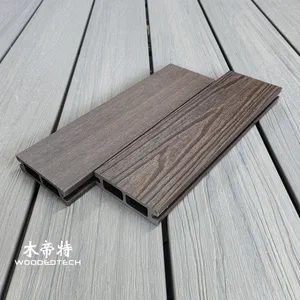 3DGL9024 Composite Decks and Railings Feature Premium Co Extruded 3D Embossed Rosewood Grain Texture with Realistic Natural Wood Fibers
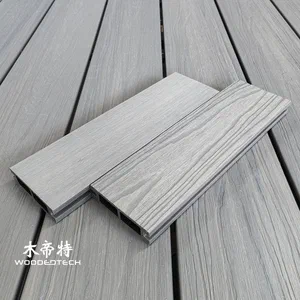 3DGL9024 Composite Railing Kits Feature Premium Co Extruded 3D Embossed Antique Wood Grain Texture with Realistic Natural Wood Fibers
 10' composite deck railing allows customized styles and dimensions for various landscape and building projects