
Composite Railing Designs: Industrial Applications, Performance, and Material Selection
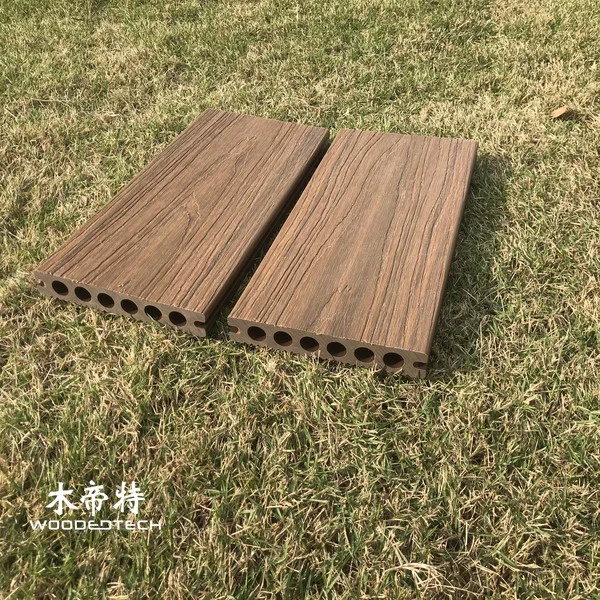
Composite railing is widely used in industrial, commercial, and public landscape projects where durability, safety, and consistent appearance are essential. Made from wood-plastic composite (WPC), these railing systems offer an alternative to traditional timber by reducing routine maintenance while providing reliable outdoor performance. Architects and landscape designers can use composite railing to define walkways, protect elevated platforms, and create visually consistent outdoor spaces.
Industrial Applications of Composite Railing
Industrial environments place demanding requirements on outdoor railing systems. Manufacturing facilities, logistics centers, warehouses, loading areas, and commercial buildings often need barriers that can withstand frequent use, changing weather conditions, and exposure to moisture. Composite railing provides a practical solution for projects where conventional timber may require frequent repainting, sealing, or replacement.
Common applications include:
- Factory walkways and outdoor access platforms
- Warehouse perimeters and elevated working areas
- Commercial building balconies and terraces
- Industrial staircases and pedestrian access routes
- Public parks, waterfront walkways, and recreational facilities
- Outdoor equipment enclosures and designated safety boundaries
For landscape designers, composite railing also offers architectural flexibility. It can be coordinated with WPC decking, exterior wall cladding, privacy screens, and outdoor seating to create a unified design. In commercial developments, this consistency helps connect functional circulation areas with landscaped spaces without introducing visually unrelated materials.
Performance Characteristics and Durability
The performance of composite railing depends on its formulation, profile structure, reinforcement, surface treatment, and installation system. Most WPC products combine wood fibers or wood flour with thermoplastic polymers and additives. This composition provides a wood-like appearance while improving resistance to moisture-related deterioration compared with untreated timber.
Moisture resistance is particularly important in industrial and outdoor environments. Unlike conventional wood, quality composite materials do not readily absorb water or develop the same conditions associated with wood rot. They are also generally less vulnerable to insect damage. However, composite products should not be described as completely waterproof or maintenance-free. Prolonged exposure to standing water, poor drainage, or unsuitable installation conditions can still affect long-term performance.
UV resistance is another important consideration. Continuous sunlight can cause surface fading and gradual changes in material appearance. UV-stabilized formulations and protective co-extrusion layers can help maintain color consistency and improve weather resistance. For exposed industrial sites, designers should request accelerated weathering test results and verify the manufacturer’s stated performance specifications.
Mechanical strength is equally important. Railing systems must resist horizontal loads, impact, vibration, and repeated use. WPC profiles can provide suitable structural performance when properly engineered, but the strength of the finished system depends on more than the composite material itself. Post spacing, reinforcement, connection details, fasteners, and supporting structures all influence overall stability.
Composite Railing Designs for Industrial and Commercial Projects
Different composite railing designs serve different architectural and operational purposes. Horizontal railing systems create a clean, contemporary appearance and work well around commercial terraces and outdoor platforms. Vertical baluster designs provide a more traditional visual arrangement and can help establish clear boundaries along walkways and staircases.
For industrial facilities, designers often prioritize straightforward geometry, accessible inspection points, and durable connections. Reinforced composite posts, aluminum support components, and corrosion-resistant fasteners can improve system reliability. Combining WPC infill components with aluminum structural framing is particularly useful when projects require a balance between a natural wood appearance and higher structural demands.
Color selection also affects the final result. Gray and charcoal tones suit modern industrial buildings, while brown and wood-grain finishes complement landscaped environments and outdoor recreational facilities. For large developments, selecting a consistent color range across composite decking, railing, and fencing can improve visual continuity.
Designers should also consider handrail dimensions, baluster spacing, edge protection, and accessibility requirements. These details need to follow the applicable local building codes and project specifications rather than relying solely on a manufacturer’s standard railing configuration.
Material Selection: Capped, Uncapped, and Reinforced Systems
Choosing the right composite railing material requires evaluating the exposure conditions, expected service life, structural requirements, and maintenance budget.
Uncapped WPC generally has a consistent composite composition throughout the profile. It can be suitable for projects with moderate environmental exposure and straightforward maintenance requirements. However, its exposed surface may be more susceptible to staining, moisture absorption, and weathering than a protected alternative.
Capped composite railing features an additional protective polymer layer around the composite core. This construction can improve resistance to moisture, surface staining, scratches, and UV exposure. It is often worth considering for coastal developments, public facilities, and commercial landscapes where appearance and maintenance costs are important.
Reinforced composite railing systems incorporate aluminum or other structural supports where additional strength and stiffness are needed. They are particularly relevant to elevated walkways, commercial balconies, and industrial platforms. Engineers should verify the load-bearing performance of the complete assembly rather than assuming that a reinforced profile automatically meets structural requirements.
When comparing suppliers, request technical information covering:
- Material composition and profile dimensions
- Flexural strength and impact resistance
- UV and weathering test results
- Water absorption and dimensional stability
- Fire performance and applicable certifications
- Recommended post spacing and reinforcement details
- Fastener compatibility and installation requirements
- Warranty coverage and maintenance recommendations
Project Considerations and Installation Requirements

Successful composite railing projects begin with a clear assessment of site conditions. Designers should identify expected pedestrian traffic, wind exposure, temperature variations, moisture levels, and proximity to industrial chemicals or coastal environments. These factors influence material selection and determine whether standard WPC profiles or reinforced systems are more appropriate.
Structural compliance must remain a priority. Industrial and commercial railing may be subject to specific requirements for guard height, handrail dimensions, opening limitations, concentrated loads, and distributed loads. The relevant building regulations and engineering standards should be confirmed before selecting a product. WPC infill should not be treated as a substitute for a properly engineered structural support system.
Thermal expansion is another important installation consideration. Composite materials expand and contract as temperatures change, so installers must follow the manufacturer’s specified expansion gaps, fastening methods, and connection details. Incorrect spacing can result in buckling, excessive movement, or premature connection failure.
Drainage and ventilation should also be addressed during installation. Avoid trapping water around posts and connections, and use compatible corrosion-resistant hardware. For large industrial developments, a mock-up installation can help verify appearance, connection details, tolerances, and maintenance access before full-scale construction begins.
Long-Term Value of Composite Railing
Composite railing offers architects, landscape designers, and industrial project developers a practical way to combine outdoor aesthetics with reduced maintenance requirements. Its resistance to rot, insects, and moisture-related deterioration can reduce the need for routine treatments associated with traditional timber. Capped surfaces and reinforced structural components provide additional options for projects with demanding exposure and performance requirements.
The best solution is not necessarily the most expensive or the most heavily reinforced product. It is the system that matches the site’s environmental conditions, structural demands, regulatory requirements, and long-term maintenance expectations. By evaluating material composition, protective surface technology, support structures, and installation details together, project teams can specify composite railing that delivers dependable performance across commercial, industrial, and public outdoor environments.
Related Articles
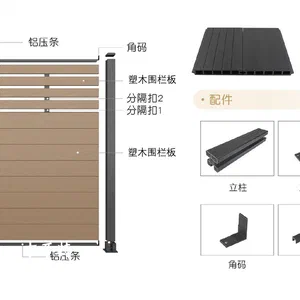
Related Products
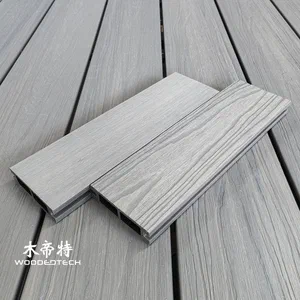 3DGL9024 Composite Railing Kits Feature Premium Co Extruded 3D Embossed Antique Wood Grain Texture with Realistic Natural Wood Fibers
 10' composite deck railing allows customized styles and dimensions for various landscape and building projects
 Composite deck railing adds attractive colors and aesthetic value to municipal landscape applications