Composite Pricing Strategies: Key Factors for Industrial Procurement and Cost Management
Composite pricing strategies are essential for industrial buyers who need to balance product quality, procurement budgets, and long-term supply stability. For WPC decking and other outdoor composite products, professional manufacturers calculate prices based on raw materials, production processes, order quantities, labor, and logistics rather than relying on material costs alone. Understanding these factors helps international buyers make informed purchasing decisions and build reliable supplier relationships.
Understanding the Main Factors Behind Composite Pricing
The price of wood plastic composite products depends on several interconnected cost factors. As a Guangdong-based WPC manufacturer, we evaluate each order according to its material requirements, technical specifications, production complexity, and delivery expectations.
Raw materials are usually one of the largest components of manufacturing costs. WPC products typically combine wood flour, recycled or virgin plastic, additives, pigments, and other functional materials. Changes in plastic resin prices, wood powder availability, and additive costs can directly affect the final quotation. Different formulations also produce different levels of strength, weather resistance, color stability, and durability.
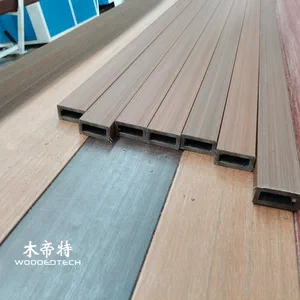
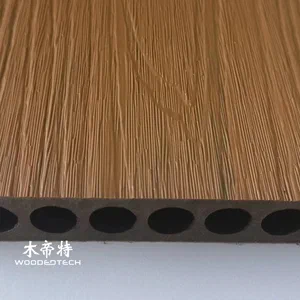
Product specifications are another important pricing factor. Solid composite decking generally requires more material than hollow profiles, while co-extrusion products involve additional production processes and protective surface layers. Custom colors, special dimensions, embossed textures, and non-standard extrusion profiles may also increase manufacturing costs.

Buyers should therefore compare quotations based on equivalent specifications. A lower price does not necessarily represent better procurement value if the product uses a different material formulation or offers lower performance.
How Production Efficiency Influences Manufacturing Costs
Professional manufacturers reduce production costs through systematic production planning and efficient factory management. In a Guangdong WPC factory, mass production typically begins with order evaluation, material preparation, production scheduling, and equipment allocation.
We organize production according to product categories, profile specifications, and order priorities. Similar products can be scheduled together to reduce frequent mold changes, equipment adjustments, and material waste. This approach improves production continuity and helps control operating expenses.
Equipment maintenance is equally important. Extrusion lines require stable temperature control, consistent feeding, and appropriate screw speed settings. Regular inspections help prevent unexpected breakdowns, defective products, and production interruptions.
Production efficiency also depends on workforce organization. Experienced operators monitor extrusion conditions, surface quality, dimensions, and product consistency throughout each production shift. Standard operating procedures make production easier to manage and reduce the risk of errors between different batches.
These improvements allow manufacturers to control unit production costs without compromising the quality standards required by international customers.
Choosing the Right Pricing Strategy for Bulk Procurement
Order quantity has a direct influence on composite product pricing. Larger orders generally provide better opportunities for production optimization, material purchasing, and logistics planning.
For wholesale customers, manufacturers may offer tiered pricing based on order volume. For example, a small trial order may carry higher unit costs because setup, mold preparation, and production adjustments are distributed across fewer products. Larger orders can spread these fixed expenses over more units.
However, bulk purchasing should be based on actual demand rather than price discounts alone. Buyers need to consider warehouse capacity, inventory turnover, project schedules, and local market demand.
A practical procurement strategy may include:
- Trial orders to evaluate product quality and supplier performance.
- Regular bulk orders to obtain more competitive unit pricing.
- Forecast-based purchasing to stabilize material availability.
- Consolidated shipments to reduce transportation costs.
- Long-term supply agreements to improve price predictability.
For distributors and construction material importers, this approach helps balance purchasing costs with inventory management and cash flow requirements.
Managing Custom Orders Without Losing Cost Control
International customers often require customized WPC products to meet local building standards, architectural designs, or project specifications. These requirements can affect both manufacturing costs and production schedules.
Custom orders may involve special molds, modified dimensions, unique colors, customized packaging, or different surface treatments. Before confirming a quotation, professional manufacturers review technical drawings, material requirements, estimated quantities, and production feasibility.
A clear order management process helps prevent unnecessary expenses. We typically divide the process into several stages:
- Technical confirmation: Verify dimensions, tolerances, colors, materials, and product structures.
- Cost evaluation: Calculate raw material consumption, processing expenses, tooling costs, and packaging requirements.
- Sample approval: Confirm appearance and technical specifications before mass production.
- Production scheduling: Allocate equipment, labor, and materials according to the confirmed delivery date.
- Quality inspection: Check product dimensions, surface appearance, and batch consistency before shipment.
Clear communication during these stages reduces specification changes, production rework, and delivery disputes. For overseas buyers, confirming all technical details before mass production is particularly important because correcting an order after shipment can be expensive.
Controlling Production Costs While Maintaining Product Quality
Effective cost management does not mean selecting the cheapest materials or reducing inspection procedures. Professional WPC manufacturers focus on eliminating unnecessary costs while maintaining consistent product performance.
Material utilization is one important area. Accurate batching, controlled extrusion conditions, and efficient cutting processes help reduce raw material waste. Manufacturers can also improve inventory management by monitoring material consumption and maintaining appropriate safety stock.
Quality control prevents additional expenses caused by defective products and customer complaints. Inspection procedures should cover incoming materials, production samples, finished products, and packaging. For outdoor WPC decking, important considerations include dimensional accuracy, surface consistency, mechanical performance, and resistance to environmental exposure.
Packaging also deserves attention. Appropriate protective materials and standardized packing methods reduce transportation damage, especially for long composite decking boards and customized profiles. Although stronger packaging may slightly increase initial costs, it can reduce replacement expenses and protect the customer’s investment.
The objective is to achieve a competitive manufacturing cost while delivering products that meet agreed technical and quality requirements.
Building Stable Pricing and Reliable Delivery for International Buyers
For international procurement, a competitive quotation is only part of the supplier evaluation process. Buyers also need to understand production capacity, order management procedures, lead times, and shipping arrangements.
Professional manufacturers coordinate purchasing, production, quality inspection, warehousing, and export documentation to keep orders moving according to schedule. Material procurement should be aligned with confirmed orders, while production plans should account for equipment capacity and delivery priorities.
Pricing transparency is particularly valuable for long-term cooperation. Quotations should clearly identify product specifications, order quantities, packaging requirements, tooling charges where applicable, and shipping terms. If raw material prices change significantly, manufacturers should communicate the potential impact before confirming revised quotations.
For distributors, wholesalers, and construction contractors, working with an experienced WPC factory can provide more predictable procurement costs and a dependable supply of composite materials. A well-managed manufacturing operation combines efficient production, controlled material consumption, consistent quality inspection, and realistic delivery planning. These factors create a stronger foundation for long-term purchasing decisions than simply choosing the lowest initial quotation.