
Composite Pergola Solutions: Material Performance and Commercial Applications
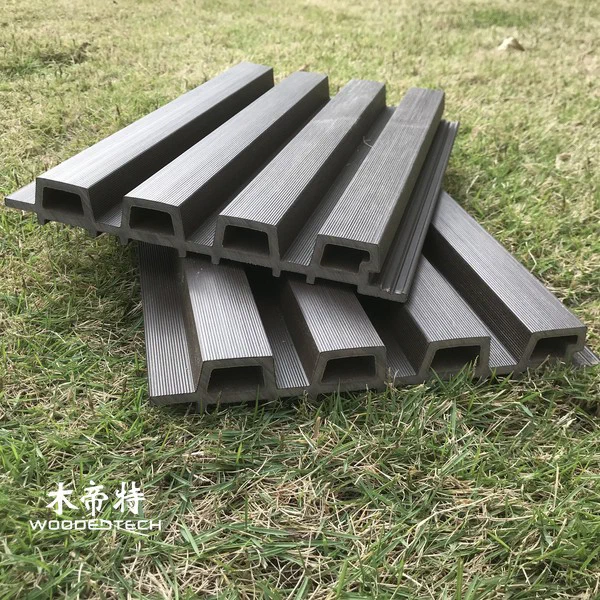
Composite pergolas provide a practical way to create shaded outdoor spaces while maintaining a consistent architectural appearance. Made from wood plastic composite (WPC), they combine wood fibers and polymer materials to offer weather resistance, dimensional stability, and reduced maintenance compared with conventional timber. For commercial developers, landscape contractors, and building material distributors, composite pergola solutions can be adapted to residential gardens, hotel terraces, public parks, and other outdoor environments.
Understanding Composite Pergola Material Performance
WPC pergolas are designed to deliver the visual appeal of natural wood with more manageable maintenance requirements. Their performance depends on the material formulation, extrusion process, profile structure, and surface treatment. Wood fibers provide a natural appearance, while the polymer component helps improve moisture resistance and reduces the risk of common timber problems such as rot and insect damage.

For outdoor applications, UV resistance is an important consideration. Continuous exposure to sunlight can cause color changes and surface aging in composite materials. Buyers should evaluate UV-stabilized formulations and request weathering test data when selecting products for projects in regions with strong sunlight. Temperature changes also require attention because WPC expands and contracts with environmental conditions. Proper installation gaps and suitable connection systems help maintain structural stability.
Moisture resistance makes composite pergolas suitable for many outdoor environments, including gardens and covered poolside spaces. However, WPC should not automatically be considered completely waterproof or suitable for every structural application. Product specifications, drainage design, and the intended load-bearing function must all be evaluated before installation.
Residential and Commercial Application Scenarios
In residential gardens, a composite pergola can define an outdoor living area, provide partial shade, and create a visual connection between the house and landscape. It works well above patios, outdoor dining spaces, garden seating areas, and pathways. Matching the pergola with composite decking, garden benches, or privacy screens creates a coordinated design. For homeowners seeking a natural wood appearance without frequent staining, a low maintenance composite pergola is a practical option.
Commercial landscapes often require materials that can maintain a consistent appearance across larger installations. Composite pergolas are suitable for office courtyards, shopping center plazas, outdoor dining areas, and landscaped pedestrian zones. For these projects, buyers should prioritize consistent color batches, standardized profiles, reliable fastening systems, and replacement-part availability. Larger installations may also benefit from customized composite pergola designs that match the architectural style of the development.
Hotels and resorts use pergolas to improve the functionality and appearance of outdoor guest areas. Common applications include restaurant terraces, garden lounges, rooftop leisure spaces, and poolside relaxation zones. Wood-look finishes can create a warm atmosphere while reducing routine surface maintenance. Adjustable louvers or compatible canopy systems can provide additional control over sunlight and shade. For hospitality projects, designers should also consider guest circulation, accessibility, wind exposure, and the cleaning requirements of frequently used spaces.
Gardens, Parks, Balconies, and Poolside Areas
Public parks and recreational landscapes offer another suitable application for composite pergolas. They can provide shaded resting areas near walking paths, playgrounds, community gardens, and outdoor gathering spaces. In these locations, the pergola should be designed around expected occupancy, local wind conditions, and potential vandalism. Reinforced support structures and secure anchoring are essential, particularly for installations exposed to strong winds or heavy public use.
Balconies and compact terraces require a different approach. Lightweight visual designs, slim profiles, and integrated privacy screens can help create a comfortable outdoor area without making the space feel crowded. Before installation, project teams should check balcony load limits, building regulations, drainage arrangements, and permitted fixing methods. A freestanding or appropriately engineered attached composite pergola may be considered depending on the building structure.
Swimming pool areas demand careful material selection because of frequent water exposure, humidity, cleaning chemicals, and potential splashing. Composite pergolas can provide shaded seating and relaxation zones around pools, while coordinated composite decking can create a consistent outdoor finish. Buyers should confirm the product’s suitability for poolside conditions and select compatible anti-slip flooring where necessary. Drainage, ventilation, surface temperature, and corrosion-resistant metal connectors should also be considered.
Public facilities such as community centers, schools, outdoor libraries, and transportation waiting areas can use composite pergolas to improve outdoor comfort. Designs should prioritize accessibility, visibility, durability, and ease of maintenance. For facilities with high pedestrian traffic, robust support systems and straightforward inspection access are particularly important.
Professional Design and Installation Recommendations
Selecting the right WPC pergola involves more than choosing a color or surface texture. Project teams should assess the installation environment, structural requirements, expected service conditions, and local building codes before finalizing specifications.
Key considerations include:
- Profile dimensions: Select suitable post, beam, and louver dimensions according to the engineering design and required spans.
- Structural support: Confirm whether WPC profiles are decorative or load-bearing. Aluminum or steel reinforcement may be necessary for major structural members.
- Surface treatment: Choose UV-resistant finishes and suitable textures for the project’s exposure conditions.
- Drainage and ventilation: Allow rainwater to drain freely and avoid designs that trap moisture around connections.
- Expansion allowance: Provide installation gaps according to the manufacturer’s temperature and expansion recommendations.
- Fixing systems: Use compatible, corrosion-resistant fasteners and properly engineered ground anchors.
- Safety compliance: Evaluate wind loads, snow loads where applicable, fire performance, and local construction requirements.
For commercial projects, mock-up installations and sample testing can help verify color consistency, profile dimensions, connection details, and overall appearance before bulk production begins.
Choosing a Reliable Composite Pergola Supplier
For importers, contractors, and project developers, supplier selection directly affects product consistency and installation efficiency. A qualified WPC manufacturer should provide clear technical specifications, material composition information, installation guidance, and relevant performance test reports.
OEM and customized manufacturing capabilities are also valuable for projects with specific architectural requirements. These may include custom profile dimensions, coordinated colors, decorative louvers, integrated privacy screens, and matching outdoor WPC decking. Buyers should confirm production capacity, quality inspection procedures, packaging standards, and delivery schedules before placing large-volume orders.
A well-designed composite pergola is not simply an outdoor decoration. It is a functional landscape element that must balance appearance, material performance, structural safety, and long-term maintenance. By matching the WPC formulation and structural system to the actual installation environment, developers and distributors can deliver reliable pergola solutions for residential properties, hospitality developments, commercial landscapes, and public outdoor facilities.
Related Articles
 What Is WPC? A Comprehensive Guide to Materials, Applications, and Benefits
 Composite Deck Posts: Industrial Applications, Material Benefits, and Selection Criteria
 Composite Decking Colours Available: A Guide for Commercial Buyers
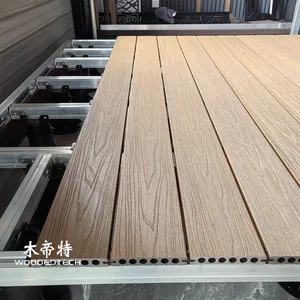 Gazebo Composite Solutions: Material Selection and Performance for Industrial Applications
Related Products
 GD13823-3 Composite Boards for Decking Are Available in Multiple Stock Colors with 3 Meter Lengths and Single Piece Delivery
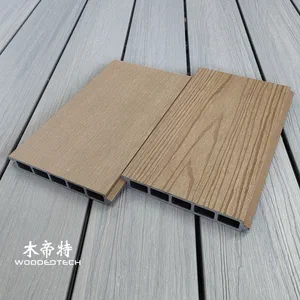 3DGL18024 WPC Longboard Fence Features Premium Co Extruded 3D Embossed Teak Wood Grain Texture with Realistic Natural Wood Fibers
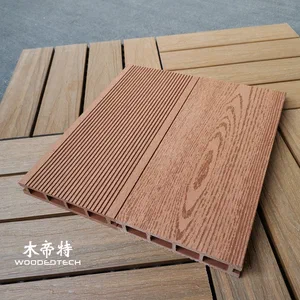 The Classic D14025-4 Red Wood WPC Wood Sheet Features a Timeless 2D Flat Wood Grain Design That Remains Popular After Twenty Years