
Composite Pergola Kit: A Strategic Guide for B2B Buyers and Distributors
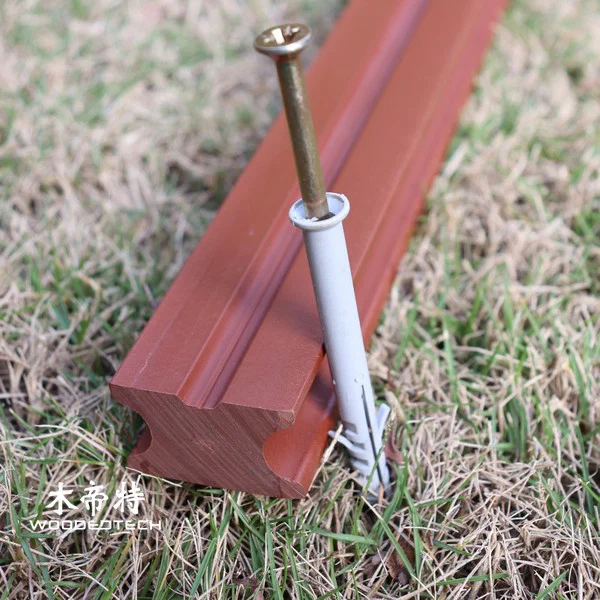
A composite pergola kit gives distributors, contractors, and building material importers a practical way to expand their outdoor product range with coordinated components and simplified installation. Choosing the right supplier requires more than comparing prices: buyers need to assess factory capabilities, structural performance, material quality, customization options, and long-term supply reliability before placing a bulk order.
What B2B Buyers Should Look for in a Composite Pergola Supplier
A reliable supplier should provide more than individual pergola components. Look for a manufacturer capable of delivering complete kits, including beams, posts, connectors, fasteners, roofing or louver components, and clear installation instructions. Working with one coordinated supplier can simplify procurement, reduce compatibility issues, and make inventory planning easier for distributors.
When evaluating a Chinese WPC manufacturer, check whether the company operates its own production facilities or relies heavily on subcontractors. Ask about extrusion capacity, tooling capabilities, quality control procedures, export experience, and production lead times. Factory videos, live inspections, product samples, and third-party audits can help verify these details before you commit to a purchase.
How to Evaluate Materials and Structural Performance
Wood plastic composite (WPC) combines wood-based materials with polymers, but formulations and performance vary between manufacturers. For outdoor pergolas, buyers should confirm UV resistance, moisture resistance, dimensional stability, color consistency, and suitability for the intended climate. Request technical data sheets and relevant test reports rather than relying on general claims such as weatherproof or maintenance-free.
Structural design deserves particular attention. Pergolas must withstand local wind conditions, roof loads where applicable, and the forces transferred through posts, beams, and connectors. WPC components may require aluminum or steel reinforcement, depending on the design and engineering requirements. Confirm the load-bearing structure, anchoring method, connection details, and applicable local building codes. Do not assume that composite profiles alone provide adequate structural strength.

Confirm Specifications Before Ordering in Bulk
A detailed purchase specification helps prevent misunderstandings between the buyer and manufacturer. Confirm the following before approving production:
- Dimensions, profile designs, wall thicknesses, and reinforcement materials
- Available colors, surface finishes, and acceptable color variation
- Roof options, including fixed covers, canopies, or adjustable louvers
- Hardware materials, corrosion resistance, and installation accessories
- Packaging dimensions, carton markings, spare parts, and assembly instructions
- Applicable test standards, inspection criteria, warranty terms, and replacement policies
For private-label or OEM projects, also confirm logo placement, packaging artwork, tooling ownership, minimum order quantities, and sample approval procedures. Request a pre-production sample or prototype and approve the final specifications in writing. Any changes after approval should be documented to avoid receiving products that differ from the agreed design.
Reduce Purchasing Risks and Protect Your Margin
The lowest quotation may not represent the lowest total cost. Compare the complete landed cost, including tooling, packaging, freight, import duties, inspection fees, and potential replacement costs. Request a clear quotation with defined Incoterms, payment milestones, production lead times, and shipment responsibilities.
Before shipment, consider an independent inspection covering dimensions, appearance, accessories, packaging, and conformity with the approved sample. For new suppliers, avoid paying the entire order value upfront without appropriate safeguards. Check references, verify company details, and establish a written process for handling defects and delayed deliveries.
A dependable wholesale composite pergola partner should combine consistent manufacturing, transparent communication, documented quality control, and responsive after-sales support. These factors help importers and distributors build a product range that protects margins and supports repeat business.
FAQ
Q: What should importers request from a composite pergola manufacturer?
A: Request technical specifications, structural details, material test reports, samples, production lead times, warranty terms, and a detailed quotation. Factory verification and pre-shipment inspection provide additional protection.
Q: Are WPC pergolas suitable for commercial outdoor projects?
A: They can be suitable when the complete system is engineered for the intended loads, climate, and local building requirements. Buyers should verify reinforcement, anchoring, and relevant compliance documentation.
Q: Can Chinese WPC factories supply customized pergola kits?
A: Many manufacturers offer OEM services, customized dimensions, colors, profiles, and private-label packaging. Confirm tooling requirements, minimum order quantities, sample approval, and production timelines before ordering.
