
Composite outdoor wall panels create attractive exterior designs with wood like appearance
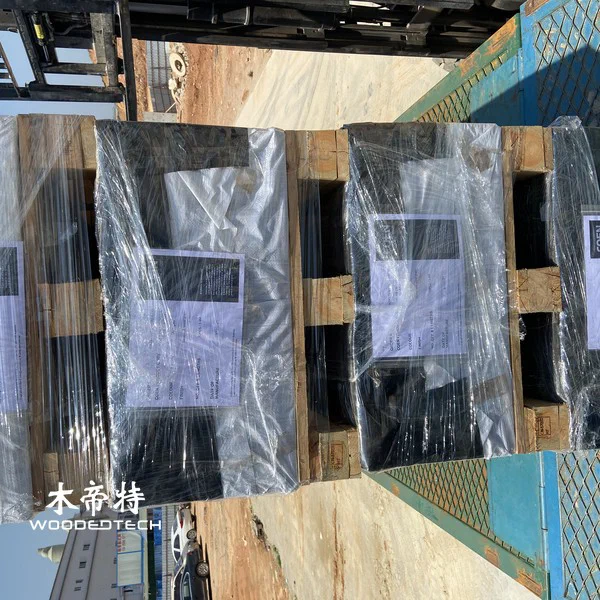
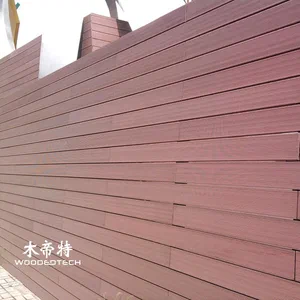
Composite outdoor wall panels are changing how exterior spaces look and feel. With a wood-like appearance, stable performance, and flexible design options, they help create cleaner, more modern facades for homes, commercial buildings, and landscape projects.
Modern design direction for outdoor WPC
Today’s outdoor design is moving toward calm, layered surfaces instead of heavy decoration. Composite decking, wall panels, fences, pergolas, gazebos, and landscape elements now share a common visual language: natural tones, simple lines, and consistent textures. This makes it easier to coordinate the full exterior, from the façade to the patio edge.
Color choice plays a big role. Buyers are choosing warm teak, soft gray, charcoal, and weathered brown finishes because they work well with stone, metal, concrete, and glass. These shades also help outdoor spaces feel more refined without looking too artificial. For wall panels in particular, a wood-grain finish can soften a building’s exterior while still keeping a crisp architectural look.
Why texture and profile matter

Texture adds depth. Smooth panels give a minimal, clean impression, while brushed grain, fluted patterns, and 3D embossed surfaces create shadow and movement across the wall. That detail is important for large façades, where flat surfaces can otherwise feel plain. Composite outdoor wall panels with realistic texture can imitate timber closely, but they avoid many of the maintenance issues associated with natural wood.
Profile design is just as important as color. Narrow slats, vertical boards, and wide-format panels each create a different visual effect. Vertical layouts can make a wall look taller, while horizontal profiles feel wider and more relaxed. In fences and screens, repeating profiles bring rhythm to the space and help define privacy without making the area feel closed in.
Modular outdoor products for cohesive spaces
Modular design is one of the strongest trends in modern outdoor product development. It allows wall panels, decking boards, pergola beams, gazebo frames, and landscape features such as planter boxes or benches to be matched in style and size. This gives designers a practical way to build a consistent outdoor environment.
For contractors and project owners, modular systems also simplify installation and replacement. Panels and boards can be planned in standard dimensions, reducing waste and speeding up on-site work. In commercial spaces, this is especially useful for fast renovation schedules and multi-zone layouts. In residential projects, it helps create a polished look across courtyards, terraces, balconies, and garden walls.
Building attractive exterior designs with WPC
Composite outdoor wall panels work best when they are used as part of a complete design strategy. Matching them with capped decking, modern fencing, a low-maintenance pergola, or a garden gazebo creates visual balance and long-term durability. The result is an exterior that feels warm, structured, and easy to maintain.
FAQ
Q: Why are composite outdoor wall panels popular in modern exterior design? A: They offer a wood-like appearance with better resistance to moisture, fading, and routine wear. They also help create a clean, unified look across outdoor spaces.
Q: How do colors and textures affect the look of WPC products? A: Natural colors make outdoor areas feel more inviting, while textured surfaces add depth and realism. Together, they make façades, fences, and decking look more finished and architectural.
Q: What is the advantage of modular WPC designs? A: Modular systems make planning and installation easier and help keep the same style across different outdoor products. They are also practical for large projects that need consistency and speed.
Related Articles
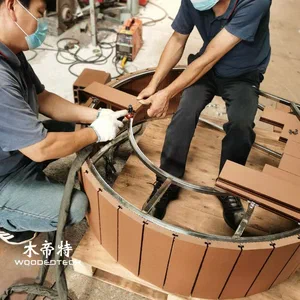 Outdoor decorative wall panel wood plastic materials enhance exterior spaces with modern designs
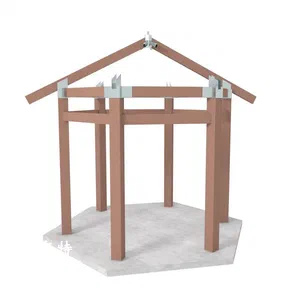 WPC wall panel advantages include stylish appearance easy maintenance and reliable outdoor performance
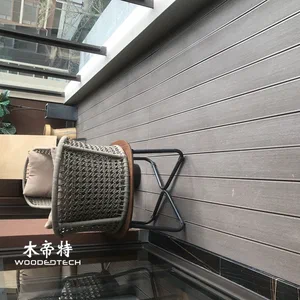 outdoor 3d wall panels create attractive textured walls with modern architectural appearance
 Modern Wall Design with WPC Panel: Creative Ideas for Interior Decor
Related Products
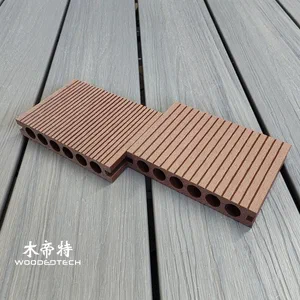 D14025-5 First Generation Large And Small Groove Redwood Color WPC Panel Material With Popular Outdoor Appearance
 B14011 WPC Paneling Sheets Feature Double Flat Surfaces with Heat Pressed Wood Grain Designs for Outdoor Styles
 WPC Wall Panel Accessories Offer Complete Solutions with Various Common and Specialized Installation Parts