Composite Material Applications for Outdoor Decking Cladding Fencing Furniture and Garden Structures
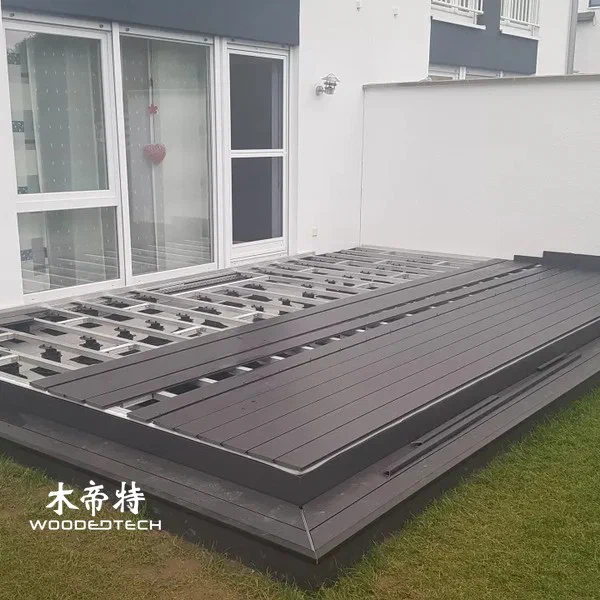
Designing high-performance outdoor wood plastic composite (WPC) formulas involves a careful balance of materials and additives to achieve durability, aesthetic appeal, and cost efficiency. For applications such as decking, wall cladding, fencing, pergolas, and landscape products, the formulation must meet specific performance criteria while also being economically viable.
Wood Fiber and Plastic Ratio
The ratio of wood fiber to plastic in WPC formulations significantly affects the material’s properties. Generally, higher wood fiber content enhances the natural look and feel, but it can also compromise moisture resistance and durability. A typical range is between 30% to 70% wood fiber, depending on the intended use. For decking and outdoor furniture, a 50% wood fiber to 50% plastic ratio often provides an optimal balance, ensuring strength and longevity while maintaining a wood-like appearance.
Additives for Performance
Incorporating additives is crucial for enhancing WPC performance. Common additives include:
- UV stabilizers to prevent fading and degradation from sunlight.
- Antioxidants to enhance thermal stability.
- Fire retardants for improved safety.
- Colorants for aesthetic customization.
These additives can increase the initial cost but are essential for extending the product lifespan and maintaining quality in outdoor conditions.
Cost Control Strategies
While high-quality materials and additives improve performance, they can also lead to higher production costs. To control costs, manufacturers can explore the following strategies:

- Sourcing raw materials locally to reduce transportation costs.
- Using recycled materials where feasible to lower material costs and enhance sustainability.
- Optimizing the production process to reduce waste and energy consumption.
Balancing cost with quality is essential; therefore, manufacturers should conduct market research to identify materials that offer the best value without sacrificing performance.
Product Lifespan Considerations
The expected lifespan of WPC products is influenced by the formulation. A well-designed WPC can last over 25 years with proper maintenance, making it a cost-effective alternative to traditional wood. Factors that contribute to longevity include:
- The quality of wood fibers used, as higher grades can withstand environmental stress better.
- The type and proportion of plastic in the composite, as certain plastics offer superior weather resistance.
- The effectiveness of additives in mitigating issues like mold growth and insect damage.
Investing in a robust formulation that considers these factors will ultimately lead to a product that not only meets consumer expectations but also performs well in various outdoor applications.
FAQ
Q: What is the ideal wood fiber content for WPC decking?
A: An ideal wood fiber content for WPC decking typically ranges from 30% to 70%, with a 50% ratio often providing optimal performance.
Q: How can additives improve WPC products?
A: Additives such as UV stabilizers, fire retardants, and antioxidants enhance the durability, safety, and aesthetic appeal of WPC products.
Q: What factors influence the lifespan of outdoor WPC products?
A: The quality of materials, the plastic type used, and the incorporation of effective additives greatly influence the lifespan of outdoor WPC products.
Related Articles
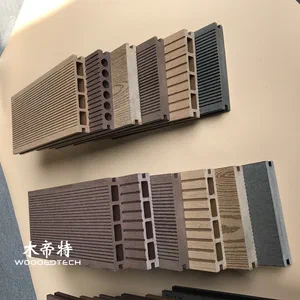 Wood Plastic Composite Panels for Outdoor Walls Cladding Fences Decking and Architectural Applications
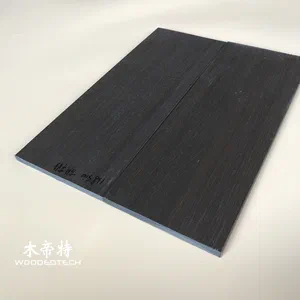 Outdoor WPC Deck for Durable Residential Gardens Patios Balconies and Landscape Projects
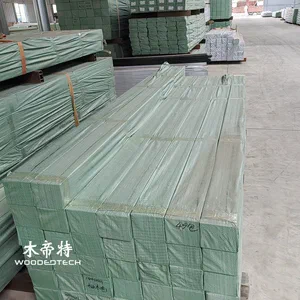 Solid Composite for Strong Durable Outdoor Decking Panels and Architectural Applications
 Composite Decking Pros And Cons Help Buyers Understand Performance And Application Benefits
Related Products
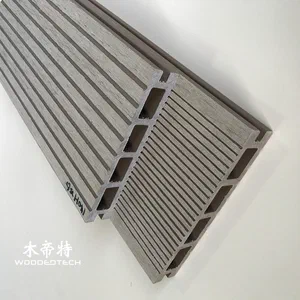 D14025-3 Composite Lumber for Decks Features a Classic Double Sided Groove Design with Excellent Value for Outdoor Projects
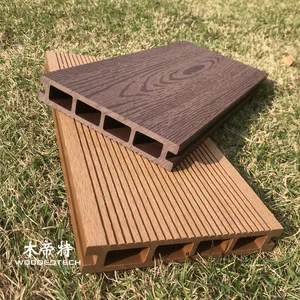 D14025-4 Composite for Decking Provides Stable Performance and Reliable Quality as a Popular Choice for Outdoor Projects
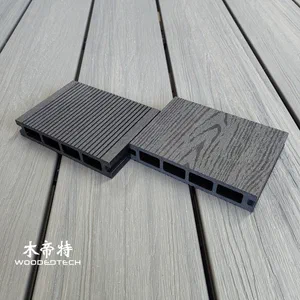 D14025-4 WPC Decking Boards Feature a Flat Wood Grain Surface with Black Ebony Heartwood Ring Grain for Outdoor Applications