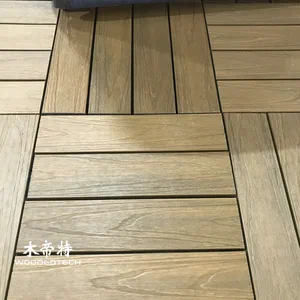
Composite Interlocking Deck Tiles: A Durable Solution for Commercial Applications
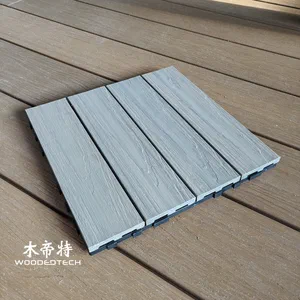
Composite interlocking deck tiles provide a practical and durable flooring solution for commercial outdoor spaces where appearance, safety, and maintenance requirements matter. Made from wood plastic composite (WPC), these modular tiles combine a natural wood-like finish with resistance to moisture, weathering, and everyday wear. Their interlocking structure allows efficient installation and makes them suitable for a wide range of commercial projects, from hotel terraces to public walkways.
Why Choose Composite Interlocking Deck Tiles for Commercial Projects?
Commercial outdoor flooring faces heavier use than most residential applications. Hotel guests, restaurant customers, office staff, and public visitors create continuous foot traffic, making durability and maintenance important considerations.
Composite interlocking deck tiles are designed to handle regular outdoor use without the frequent sanding, staining, or sealing associated with traditional timber. Their composite construction helps reduce problems such as splintering, rotting, and insect damage. Depending on the formulation and surface treatment, selected products can also provide improved UV resistance and slip resistance.
The modular design is another practical advantage. Individual tiles connect through an integrated base system, often allowing installation over suitable existing hard surfaces without conventional joist construction. This can reduce installation time and simplify projects where extensive structural changes are not practical.
For commercial buyers, important specifications include tile thickness, load-bearing capacity, surface texture, drainage performance, UV stability, and the quality of the locking system. These factors should be evaluated according to the intended traffic level and installation environment.
Key Commercial Applications

Hotels, Resorts, and Restaurants
Hotels and resorts can use composite deck tiles on outdoor dining terraces, rooftop lounges, poolside seating areas, entrance patios, and garden walkways. Their wood-like appearance creates a welcoming atmosphere while offering a flooring option that requires less routine maintenance than natural timber.
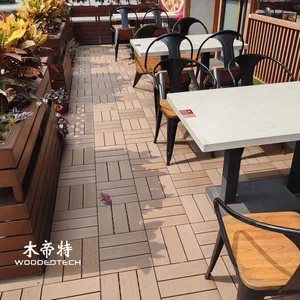
For restaurant terraces, choose tiles with a textured, slip-resistant surface and a stable interlocking connection. Areas exposed to food spills and frequent cleaning should have accessible drainage and sufficient ventilation beneath the tiles. Hotel operators may also benefit from selecting colors and finishes that complement outdoor furniture, landscaping, and architectural materials.
Commercial Landscapes and Office Developments
Office parks, shopping centers, and commercial developments often include outdoor seating zones, landscaped courtyards, and pedestrian relaxation areas. Composite interlocking deck tiles can help define these spaces while creating a consistent flooring finish.
For high-traffic commercial landscapes, prioritize wear resistance, dimensional stability, and reliable edge detailing. Tiles should be installed over a firm, level, and properly drained substrate. Where heavy planters or outdoor furniture are used, confirm the manufacturer’s load-bearing specifications before installation.
Public Parks and Recreational Facilities
Public parks, community centers, and recreational facilities need outdoor materials that can withstand repeated use and changing weather conditions. Composite deck tiles can be used in selected seating platforms, picnic areas, viewing spaces, and sheltered activity zones.
For these applications, product selection should focus on structural stability, surface durability, and ease of maintenance. Public access areas may also require compliance with local accessibility, fire performance, and slip-resistance requirements. For long pedestrian routes or areas exposed to heavy equipment, conventional commercial-grade decking systems may be more appropriate than modular tiles.
Swimming Pool Areas and Spa Facilities
Swimming pool surroundings are demanding environments because flooring is exposed to water, cleaning chemicals, sunlight, and frequent barefoot traffic. WPC interlocking deck tiles offer a wood-inspired alternative to conventional outdoor flooring and can help create a comfortable poolside environment.
For pool applications, select products specifically tested and approved for wet-area use. A textured surface, effective drainage, and sufficient ventilation beneath the tiles are essential. The substrate must also provide suitable waterproofing and drainage, as interlocking tiles should not be treated as a replacement for a waterproof membrane.
Chemical exposure, standing water, and temperature fluctuations should be considered during product evaluation.
Balconies, Rooftop Terraces, and Outdoor Public Facilities
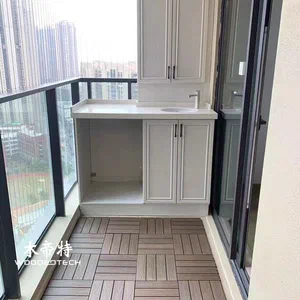
Commercial balconies, apartment common areas, rooftop terraces, and outdoor platforms can benefit from the flexibility of modular composite flooring. Interlocking tiles are particularly useful for renovation projects where property owners want to improve the appearance of an existing concrete or tiled surface.
Before installation, check the allowable structural load, drainage outlets, door clearances, wind exposure, and local building requirements. Rooftop applications require particular attention to wind uplift and edge restraint. Tiles should never obstruct drainage channels or access to waterproofing inspection points.
Professional Installation and Product Selection Suggestions
Successful commercial installations begin with proper site assessment. Although interlocking deck tiles are relatively simple to assemble, the substrate must be stable, sufficiently level, and capable of draining water. Uneven surfaces can cause movement, gaps, or damage to the locking connections over time.
A professional project specification should consider:
- Material composition: Check the WPC formulation and manufacturing consistency.
- Surface treatment: Choose a finish with appropriate weather and UV resistance.
- Slip resistance: Request test data relevant to the intended wet or dry environment.
- Load capacity: Confirm suitability for expected pedestrian traffic, furniture, and equipment.
- Drainage: Select a tile base design that allows water to escape and air to circulate.
- Installation details: Plan perimeter cuts, expansion allowances, edge finishing, and access to drains.
- Maintenance: Establish suitable cleaning procedures and periodic inspection schedules.
For large commercial projects, ordering samples before bulk production is recommended. Testing the actual tile under site conditions helps assess color, texture, locking performance, and compatibility with the existing surface.
A Practical Flooring Choice for Commercial Outdoor Spaces
Composite interlocking deck tiles offer commercial property developers, contractors, hotel operators, and landscape designers a flexible way to upgrade outdoor flooring. Their modular construction, wood-like appearance, and relatively low maintenance requirements make them suitable for many applications, particularly terraces, balconies, poolside areas, and landscaped spaces.
The best results come from matching tile specifications to actual site conditions rather than selecting products based on appearance alone. Working with an experienced WPC manufacturer can also help commercial buyers source consistent colors, customized dimensions, suitable surface finishes, and bulk quantities for projects with specific technical requirements.