
Composite Industries: Key Trends, Applications, and Market Outlook for 2026
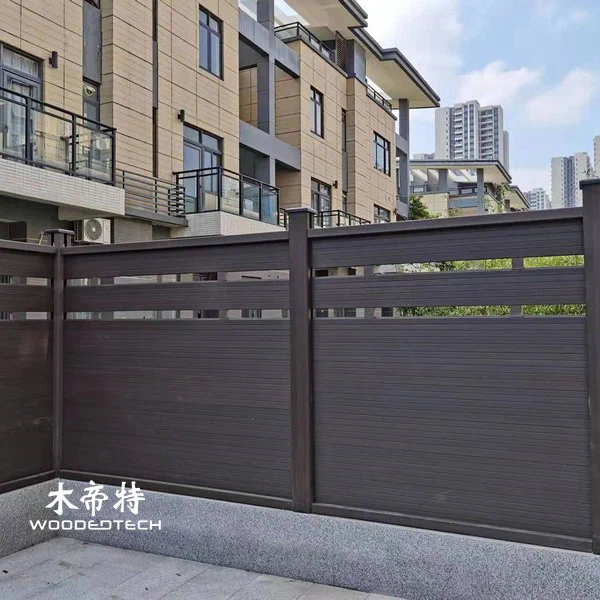
The global composite building materials industry is entering a new phase of growth in 2026, driven by demand for sustainable construction, low-maintenance outdoor living products, and more durable alternatives to traditional timber. Composite decking, WPC wall cladding, fencing, pergolas, and landscape products are gaining attention across residential, commercial, hospitality, and public infrastructure projects. For manufacturers, distributors, and international buyers, the strongest opportunities lie in product innovation, regional market expansion, and integrated outdoor building solutions.
Global Market Outlook for Composite Building Materials in 2026
Wood plastic composite (WPC) has developed from a niche alternative to timber into an established category of outdoor building materials. Its combination of wood fibers and thermoplastics offers a balance of natural appearance, moisture resistance, dimensional stability, and reduced maintenance requirements. These characteristics make composite products attractive in markets where consumers want the appearance of wood without the regular painting, staining, and treatment associated with traditional timber.
Market research indicates that this expansion is likely to continue. BCC Research estimated the global WPC market at approximately USD 4.7 billion in 2024 and forecasts growth to USD 6.9 billion by 2029, representing an annual growth rate of 8.1%. Other research providers publish higher market valuations because of differences in market definitions, product coverage, and research methodologies. Nevertheless, the broader outlook points toward sustained demand across construction and outdoor applications.
Regional demand varies considerably. North America remains an important market because of its established outdoor living industry, residential renovation activity, and preference for low-maintenance decking and fencing. Europe offers opportunities through sustainable construction initiatives, recycled-material adoption, and demand for contemporary exterior designs. Meanwhile, Asia-Pacific is becoming increasingly attractive as urban development, commercial construction, and investment in residential outdoor spaces expand. The Middle East also presents potential for weather-resistant materials in hospitality, landscaping, and large-scale development projects.
Five Key Trends Shaping the Composite Industry
1. Premium Composite Decking and Advanced Surface Technology
Composite decking remains one of the industry’s most established applications. Buyers increasingly evaluate products according to durability, appearance, slip resistance, and long-term maintenance costs rather than initial purchase price alone.
One important development is the growing adoption of co-extrusion technology. These products feature a protective outer layer designed to improve resistance to moisture, stains, fading, and surface wear. Manufacturers are also investing in realistic wood-grain textures, 3D embossing, natural color variations, and more sophisticated board profiles.
For international suppliers, premium capped composite decking offers opportunities to serve higher-value residential projects, hotels, resorts, swimming pool areas, and commercial terraces. Product differentiation through surface technology and consistent quality can help manufacturers compete beyond price.
2. WPC Wall Cladding and Modern Exterior Architecture

WPC wall cladding is gaining attention as architects and developers seek exterior materials that combine decorative flexibility with practical performance. Contemporary architectural designs increasingly incorporate horizontal slats, vertical battens, fluted panels, wood-grain finishes, and contrasting facade elements.
Outdoor WPC wall panels can be used for residential facades, commercial buildings, garden structures, balcony features, and decorative exterior partitions. Their ability to complement composite decking also creates opportunities for coordinated product collections.
A particularly promising direction is the integration of wall cladding with exterior louvers and decorative screens. Manufacturers offering matching colors, profiles, and customized dimensions can provide more complete architectural solutions instead of competing through individual panel prices.
3. Composite Fencing and Privacy Solutions
Demand for composite fencing is supported by the need for attractive, durable, and relatively low-maintenance boundary systems. Residential developments, commercial properties, gardens, and hospitality facilities increasingly require privacy and visual separation without frequent timber maintenance.
Popular designs include horizontal composite fence panels, vertical slats, aluminum-framed composite systems, and decorative privacy screens. Combining WPC boards with aluminum posts and structural components also creates opportunities for modern designs with improved installation flexibility.
Manufacturers can expand their product portfolios by offering modular fence kits, different panel heights, multiple colors, and coordinated gates. These features are particularly relevant to distributors and contractors looking for standardized products that simplify project planning and installation.
4. Pergolas and Integrated Outdoor Living Spaces
The outdoor living trend is creating new opportunities for composite pergolas, gazebos, and pavilion systems. Homeowners and commercial developers increasingly view gardens, patios, balconies, and terraces as functional extensions of indoor living areas.
Composite pergolas can complement decking, fencing, and outdoor furniture while providing a consistent architectural appearance. Designs incorporating adjustable louvers, shade canopies, lighting, and weather-resistant structural components are especially relevant to contemporary outdoor projects.
Hotels, restaurants, resorts, and residential communities represent promising customer groups. For manufacturers, supplying coordinated pergola kits and complementary decking or privacy products can increase average project value and create stronger relationships with international buyers.
5. Sustainable Landscape Products and Material Innovation
Sustainability is becoming an increasingly important consideration in purchasing decisions. WPC manufacturers can support this trend by incorporating recycled plastics, responsibly sourced wood fibers, and production processes designed to reduce material waste.
Beyond traditional construction applications, composite materials are expanding into landscaping products such as garden planters, benches, flower boxes, decorative screens, and outdoor seating. These products allow manufacturers to reach landscape contractors, garden retailers, property developers, and municipal buyers.
However, sustainability claims need to be supported by credible information about recycled content, material sourcing, product life cycles, and end-of-life management. Buyers are increasingly interested in measurable environmental performance rather than general marketing statements.
Future Market Opportunities for International Manufacturers and Suppliers
The next stage of industry development will favor manufacturers that combine reliable production capabilities with product customization and export-market knowledge. Competing exclusively on low prices is becoming less attractive as buyers place greater emphasis on consistent quality, product certification, technical support, and dependable delivery.
Several opportunities deserve particular attention:
- Premium product development: Expand capped decking, co-extrusion wall panels, UV-resistant fencing, and textured composite profiles to serve higher-value market segments.
- Integrated product collections: Combine decking, railing, fencing, pergolas, cladding, and landscape products into coordinated outdoor building systems.
- OEM and private-label manufacturing: Support international distributors and brands with customized dimensions, colors, packaging, surface finishes, and product specifications.
- Emerging regional markets: Explore Asia-Pacific, the Middle East, and developing urban markets where construction and outdoor infrastructure investment can create additional demand.
- Commercial and public-sector projects: Target hotels, resorts, residential developments, parks, walkways, and recreational facilities that require durable outdoor materials.
- Technical differentiation: Invest in testing, installation systems, fire performance where required, slip resistance, weathering performance, and documented quality control.
Manufacturers should also recognize that regional compliance requirements can influence purchasing decisions. European buyers may prioritize chemical restrictions, environmental documentation, and traceability, while North American projects often require attention to building codes, product performance, and applicable fire-safety standards. Understanding these requirements before entering a new market can reduce commercial risks and improve distributor confidence.
Market Outlook: Building a Competitive Position Beyond 2026
The composite industry is expected to benefit from the continued transition toward durable, attractive, and lower-maintenance outdoor building materials. Decking will remain a major demand driver, while WPC wall cladding, fencing, pergolas, and landscaping products offer opportunities for manufacturers to diversify their revenue streams.
The most promising businesses will be those that connect material innovation with practical customer requirements. Consistent product quality, competitive manufacturing costs, reliable export services, and flexible customization will remain important advantages in international trade.
For composite manufacturers and overseas distributors, 2026 is an opportunity to move beyond individual product sales and develop complete outdoor living solutions. Companies that combine attractive design, dependable performance, responsible material sourcing, and efficient supply chains will be better positioned to build long-term partnerships and capture future growth in the global composite building materials market.
Related Articles
 Composite Decking Wall Panels: Applications, Benefits, and Market Trends
 Composite Profile Tolerance: Key Factors for Accurate Installation and Quality Control
 Optimizing Project Efficiency with Composite Decking Installation Tools
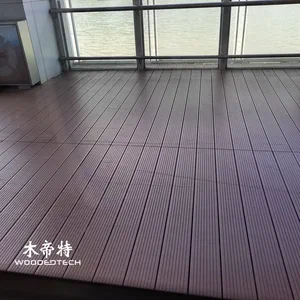 Decking Composite Decking: A B2B Guide to Materials and Market Trends
Related Products
 GD13820 M Shape Co Extruded Composite Deck Planks Feature a Special Profile Design for Distinctive Outdoor Decking Applications
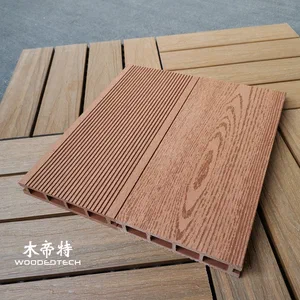 The Classic D14025-4 Red Wood WPC Wood Sheet Features a Timeless 2D Flat Wood Grain Design That Remains Popular After Twenty Years
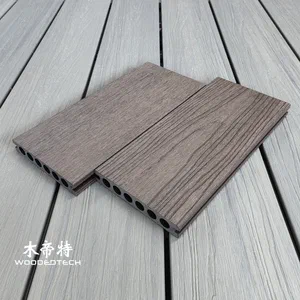 3DGD13823 Second Generation 3D Embossed Rosewood Composite Balcony Decking Delivers Ultra Realistic Wood Grain Texture and a Premium Natural Wood Experience