
Composite Hand Railing: Industrial Applications, Benefits, and Selection Criteria
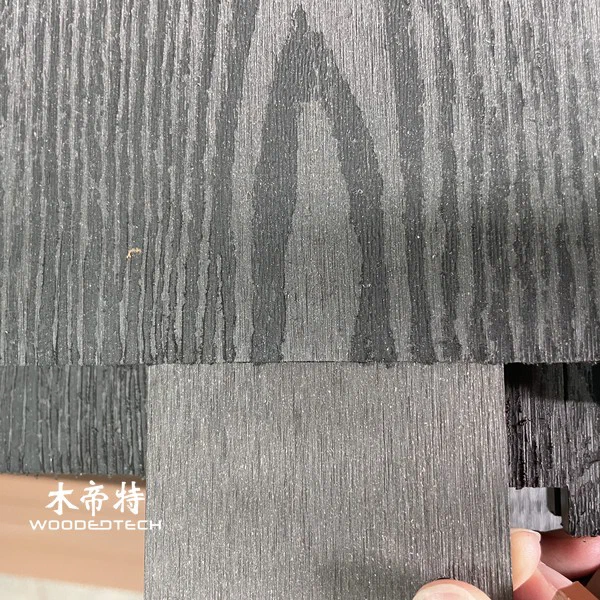
Composite hand railing is used in industrial and commercial environments where reliable edge protection, weather resistance, and manageable maintenance are essential. Made from wood plastic composite (WPC), composite handrails offer an alternative to traditional timber and can be combined with metal posts, brackets, and structural supports to create practical railing systems for outdoor and semi-outdoor applications.
Industrial Applications of Composite Hand Railing
Composite hand railing is suitable for a range of industrial and infrastructure projects, particularly where exposed structures require durable, low-maintenance materials. Typical applications include factory walkways, warehouse access platforms, outdoor stairways, loading areas, equipment access routes, and perimeter walkways.
In manufacturing facilities, handrails help define pedestrian routes and provide support along elevated platforms and maintenance access areas. WPC profiles can be selected for their resistance to moisture, surface decay, and everyday environmental exposure. For installations subject to frequent contact, the profile shape and surface finish should also provide a comfortable grip.
For industrial projects, material selection must consider more than appearance. Load requirements, support spacing, fixing methods, temperature changes, and exposure conditions all affect system performance. Where handrails form part of a regulated fall-protection system, the complete assembly must meet applicable local building and industrial safety standards. WPC should not be assumed to replace structural steel or certified safety railing components without supporting test data.
Commercial Landscapes and Public Infrastructure

Commercial developments often use composite railing around pedestrian walkways, outdoor seating areas, raised landscape platforms, and access routes. Shopping centers, office campuses, business parks, and public plazas can benefit from railing systems that maintain a consistent appearance without requiring frequent painting or wood treatment.
Parks and public facilities are another suitable application. Composite handrails can be installed along accessible pathways, viewing platforms, garden bridges, outdoor staircases, and recreational areas. Their wood-like appearance complements natural landscaping, while their resistance to moisture-related deterioration can reduce routine maintenance compared with untreated timber.
For high-traffic public spaces, project planners should pay particular attention to vandal resistance, impact exposure, cleaning requirements, and replacement access. A reinforced railing design with suitable metal posts and securely fixed brackets is generally more appropriate than relying on unsupported decorative WPC profiles.
Hotels, Resorts, and Swimming Pool Areas
Hotels and resorts use outdoor railing systems to improve pedestrian safety while maintaining a coordinated architectural appearance. Composite handrails are suitable for garden pathways, outdoor terraces, resort walkways, restaurant patios, and designated balcony areas when the product specification matches the installation requirements.
Swimming pool surroundings require additional consideration because railing components are exposed to water, cleaning chemicals, humidity, and potentially chlorinated or saltwater environments. WPC profiles can offer good moisture resistance, but not every formulation has the same chemical or UV resistance.
For poolside installations, consider the following design recommendations:
- Select UV-resistant WPC profiles to reduce color fading under prolonged sunlight.
- Check the manufacturer’s chemical-resistance data before using cleaning agents.
- Use corrosion-resistant stainless steel or suitably protected metal connectors.
- Avoid profile designs with sharp edges or uncomfortable gripping surfaces.
- Provide adequate drainage and ventilation around posts and connection points.
- Specify slip-resistant flooring separately, since handrail material does not determine deck surface traction.
For coastal hotels and marine-facing resorts, additional attention should be given to salt exposure, metal corrosion protection, and long-term fastening performance.
Residential Gardens, Balconies, and Outdoor Stairways
In residential projects, composite hand railing is commonly used around garden decks, patios, balconies, porches, and exterior staircases. It provides a consistent visual connection between WPC decking, fencing, and other outdoor architectural elements.
For garden applications, wood-grain finishes and natural colors can complement planting areas, pergolas, and outdoor furniture. On balconies, compact railing profiles can help maintain an open appearance without making the space feel enclosed. However, balcony guardrails must satisfy applicable height, opening, and structural load requirements. Decorative WPC components should not be treated as compliant guardrails unless the complete system has been tested and approved for that purpose.
Outdoor stairways require particular attention to handrail height, continuity, grip diameter, bracket positioning, and secure end connections. A comfortable profile is especially important where users regularly rely on the railing for balance and support.
Key Benefits of WPC Composite Hand Railing
WPC combines wood fibers or wood flour with thermoplastic polymers and selected additives. The resulting material offers several practical advantages for exterior applications.
- Moisture resistance: Properly formulated WPC absorbs less moisture than untreated timber, helping reduce problems associated with swelling, rot, and decay.
- Reduced maintenance: Composite surfaces generally do not require regular painting, staining, or wood preservative treatment.
- Consistent appearance: Available colors, textures, and wood-grain finishes support coordinated outdoor designs.
- Weather resistance: UV-stabilized formulations can improve performance under prolonged sunlight and changing outdoor conditions.
- Design flexibility: Different extrusion profiles, dimensions, and surface finishes allow manufacturers to develop railing components for specific project requirements.
- Material efficiency: WPC can incorporate recycled plastics and recovered wood fibers, depending on the manufacturer’s formulation and sourcing practices.
Performance varies between products. Co-extruded composite profiles, for example, use an additional protective outer layer that can improve resistance to staining, moisture penetration, and surface wear. Buyers should compare actual test results rather than assuming all composite railing products offer equivalent durability.
Selection Criteria for Composite Hand Railing Projects
Selecting the right composite railing requires evaluating the installation environment, structural requirements, material properties, and compatibility with other components.
First, confirm the required structural performance. For industrial platforms, balconies, public walkways, and elevated decks, determine the applicable design loads, railing height, post spacing, and connection requirements. Ask suppliers for relevant load-test reports and installation specifications. Where regulations require certified structural guardrails, use a complete tested system rather than combining unverified components.
Second, evaluate the WPC formulation and manufacturing quality. Important factors include polymer type, wood-fiber content, UV stabilizers, pigments, protective additives, and extrusion consistency. Request technical data covering water absorption, dimensional stability, weathering, and mechanical properties. For projects exposed to fire-risk regulations, obtain the required fire-performance classification.
Third, check profile construction and installation compatibility. Hollow profiles may reduce weight and material consumption, while solid or reinforced profiles may be more suitable for specific connection designs. Confirm that brackets, posts, fasteners, and internal reinforcement are compatible with the selected railing system.
Finally, consider the supplier’s customization and quality-control capabilities. For large commercial or industrial orders, consistent dimensions, color matching, production capacity, packaging, and technical support are important purchasing considerations. A qualified WPC railing manufacturer should be able to provide product samples, drawings, installation guidance, and relevant test documentation before bulk production.
The most suitable composite hand railing is not simply the product with the lowest purchase price. It is a system designed around the project’s actual loading conditions, environmental exposure, installation method, and maintenance expectations. Matching the WPC profile with appropriate structural supports and certified connection components helps deliver a railing solution that performs reliably throughout its intended service life.
Related Articles
Related Products
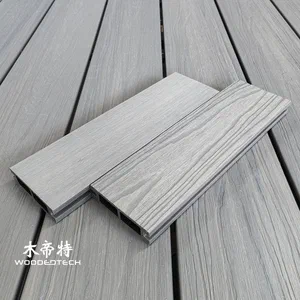 3DGL9024 Composite Railing Kits Feature Premium Co Extruded 3D Embossed Antique Wood Grain Texture with Realistic Natural Wood Fibers
 10' composite deck railing allows customized styles and dimensions for various landscape and building projects
 Composite deck railing adds attractive colors and aesthetic value to municipal landscape applications