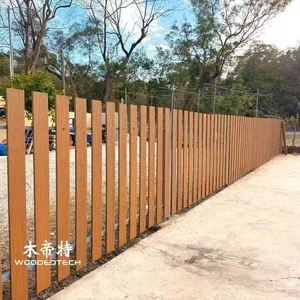
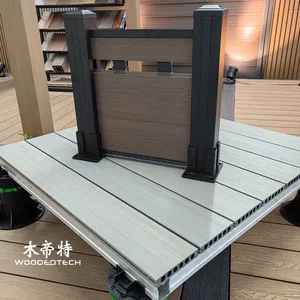
Composite Garden Fence for Durable Privacy Protection and Attractive Outdoor Landscape Design
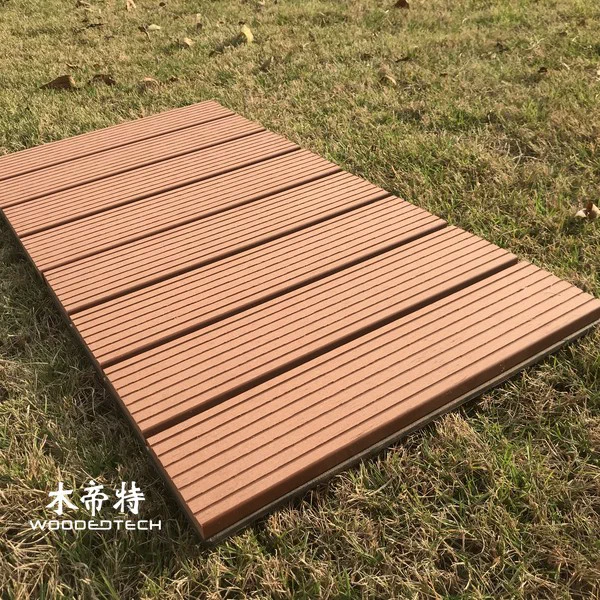
Architects and landscape designers increasingly incorporate wood plastic composite (WPC) products into their outdoor environments due to their durability and low-maintenance features. Composite garden fences made from WPC materials not only provide essential privacy but also enhance the overall aesthetic of outdoor spaces. This article explores how these products are utilized, along with considerations for project planning and material selection.
Benefits of WPC in Landscape Design
WPC materials combine the best properties of wood and plastics, resulting in a product that resists decay, warping, and insect damage. For landscape designers, this translates into:
- Durability: WPC fences can withstand harsh weather conditions without deteriorating, making them suitable for long-term installations.
- Low Maintenance: Unlike traditional wooden fences, WPC requires minimal upkeep, eliminating the need for regular staining or sealing.
- Design Versatility: Available in various colors and textures, WPC can mimic the appearance of natural wood while offering a modern touch to outdoor designs.
Project Considerations
When integrating composite garden fences into a landscape project, several factors should be assessed:
- Site Conditions: Understanding the local climate, soil type, and drainage patterns will help determine the appropriate WPC products and installation techniques.
- Design Style: The fence design should complement the overall landscape theme, whether modern, rustic, or traditional. Architects can leverage the customizable nature of WPC to achieve the desired look.
- Budget Constraints: While WPC products may have a higher upfront cost compared to wood, their longevity and low maintenance can lead to cost savings over time.
Material Selection Advice
Choosing the right WPC product is crucial for achieving the desired outcome. Here are some tips for selecting appropriate materials:
- Quality Levels: Not all WPC products are created equal. Opt for fully capped or co-extruded WPC options that provide enhanced durability and UV resistance.
- Texture and Finish: Consider embossed or smooth finishes based on the intended aesthetic. Textured surfaces can provide a more natural wood-like appearance while also offering slip resistance.
- Environmental Impact: Look for eco-friendly WPC options made from recycled materials to promote sustainability in your design.
Incorporating composite garden fences into outdoor design not only enhances privacy but also contributes to a cohesive and attractive landscape. By carefully considering project requirements and selecting high-quality materials, architects and landscape designers can create lasting outdoor environments that require minimal maintenance.

FAQ
Q: What are the main advantages of using WPC for garden fences?
A: WPC offers durability, low maintenance, and design versatility, making it an ideal choice for outdoor environments.
Q: How do I choose the right WPC product for my project?
A: Consider factors like quality levels, texture, finish, and environmental impact when selecting WPC materials.
Q: Are WPC fences environmentally friendly?
A: Many WPC products are made from recycled materials, making them a more sustainable option compared to traditional wood.