
Composite for Decking: Material Selection, Performance, and Industry Applications
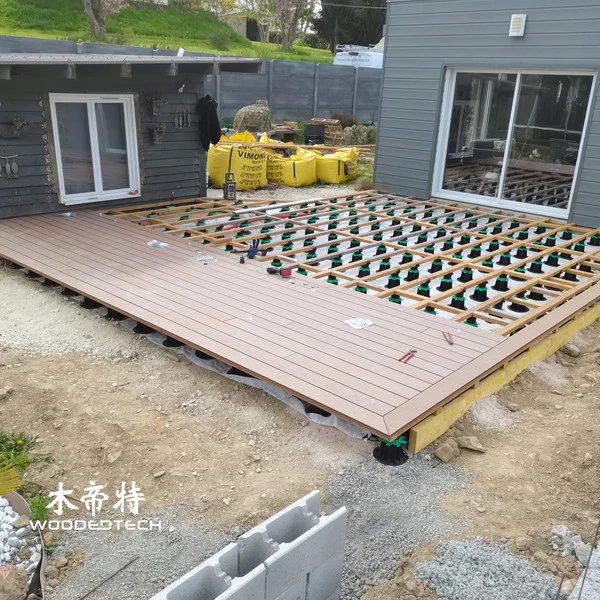
Composite decking is an increasingly practical choice for outdoor spaces where durability, appearance, and manageable maintenance are important. Compared with natural wood, traditional timber, aluminum, and other exterior materials, wood plastic composite (WPC) offers a balance of weather resistance, design flexibility, and long-term value. Selecting the right material requires evaluating its performance, installation requirements, maintenance needs, and total lifecycle costs rather than focusing on the initial purchase price alone.
Understanding Composite Decking as an Exterior Material
Wood plastic composite decking combines wood fibers or wood flour with thermoplastic polymers and selected additives. The resulting material is manufactured into boards or profiles designed for outdoor use. Depending on the formulation and production process, WPC products can offer improved resistance to moisture, dimensional stability, and reduced maintenance compared with untreated wood.

Outdoor WPC decking is available in solid and hollow profiles, as well as capped and uncapped constructions. Solid boards generally provide greater mass and can be suitable for applications requiring additional structural robustness. Hollow profiles reduce material weight and can lower transportation and installation costs, although their load capacity depends on profile design and support spacing.
Capped composite decking features a protective polymer layer around the core. This surface can improve resistance to staining, fading, moisture penetration, and everyday wear. Co-extrusion technology further enhances surface protection by combining the core and protective outer layer during manufacturing.
For architects, contractors, and material distributors, these product differences matter. A suitable specification should consider the intended application, climate, expected foot traffic, installation system, and manufacturer’s technical data.
Comparing WPC with Natural Wood, Timber, and Aluminum
Natural wood remains popular because of its authentic grain, warm appearance, and ability to be cut and shaped using conventional woodworking tools. Hardwood species such as teak and ipe can provide excellent outdoor performance when properly selected and maintained. However, their purchase prices can be high, and their long-term performance depends on species, treatment, exposure, and installation quality.
Traditional softwood timber is often more affordable initially. It is widely used for residential decks, garden platforms, and outdoor walkways. Its main disadvantages include moisture absorption, fungal decay, insect damage, splintering, and potential warping. Regular sealing, staining, or painting is generally necessary to maintain its appearance and serviceability.
Aluminum decking offers a different performance profile. It is lightweight, dimensionally stable, non-combustible, and highly resistant to corrosion when appropriately specified and finished. It can be particularly suitable for commercial facilities, elevated platforms, and projects with demanding fire-performance requirements. However, aluminum typically has a higher initial material cost, a distinctly metallic appearance, and different thermal and acoustic characteristics from wood-based products.
Other exterior materials also have specific advantages:
- Concrete provides high compressive strength, durability, and relatively low routine maintenance, but offers limited flexibility in appearance and can develop cracks.
- Natural stone delivers a premium appearance and strong wear resistance, although material weight, installation costs, and surface temperature require consideration.
- Ceramic and porcelain outdoor tiles provide a wide range of finishes and good stain resistance, but require suitable substrates and careful installation to prevent cracking or water-related problems.
- Plastic decking can resist moisture and decay, but product quality, stiffness, thermal movement, and surface appearance vary significantly.
WPC occupies a middle position between traditional wood and fully synthetic materials. It offers a wood-inspired appearance without requiring the same level of routine surface treatment as conventional timber.
Advantages and Disadvantages of Outdoor WPC
One of the strongest advantages of composite decking is its relatively low maintenance requirement. Unlike untreated timber, quality WPC boards generally do not require regular painting, staining, or preservative treatment. Routine cleaning with water, a suitable detergent, and a soft brush is usually sufficient to remove dirt and surface deposits.
Moisture resistance is another important benefit. WPC does not behave like natural wood, which absorbs water and can expand, shrink, or deteriorate under repeated wetting and drying. However, composite boards are not automatically waterproof in every application. Water absorption, drainage, and dimensional movement depend on the formulation, construction, and installation details.
Other advantages include:
- Consistent board dimensions and manufactured surface finishes.
- Reduced risk of splintering compared with conventional timber.
- Availability of multiple colors, textures, and wood-grain effects.
- Potential use of recycled wood fibers and plastics.
- Lower routine maintenance costs over the product’s service life.
Nevertheless, WPC has limitations. Composite boards can expand and contract with temperature changes, making correct installation gaps essential. Dark-colored surfaces may become hot under direct sunlight, particularly in exposed locations. Lower-quality products can experience fading, surface deterioration, excessive deflection, or moisture-related problems.
WPC also generally has a higher initial purchase price than basic softwood decking. Its environmental performance depends on recycled content, manufacturing energy, product lifespan, and end-of-life recycling options. Buyers should therefore request technical specifications, test reports, and relevant environmental documentation rather than relying on general sustainability claims.
Maintenance Requirements and Lifecycle Cost Comparison
Material selection should account for the total cost of ownership, including procurement, installation, maintenance, repairs, and eventual replacement. A low initial price does not necessarily indicate the most economical solution.
| Material | Routine maintenance | Main lifecycle cost considerations |
|---|---|---|
| Natural hardwood | Periodic cleaning, oiling, or sealing | High initial cost for premium species; maintenance and replacement depend on exposure |
| Softwood timber | Regular staining, sealing, and inspections | Lower initial cost but potentially higher recurring maintenance and repair expenses |
| WPC decking | Cleaning and periodic inspection | Higher initial cost than basic timber, with generally lower routine maintenance |
| Aluminum | Cleaning and inspection of fixings and finishes | Higher initial investment but low routine maintenance and strong dimensional stability |
| Concrete | Cleaning and occasional crack repairs | Moderate installation cost; repair and surface renewal may be required |
| Porcelain tiles | Cleaning and joint inspection | Installation and substrate preparation can be significant cost factors |
A practical lifecycle cost assessment should use a consistent evaluation period, such as 15 or 20 years, and include local labor rates, climate exposure, expected replacement intervals, and maintenance schedules.
For example, timber decking may initially cost less than composite decking, but repeated sanding, staining, and board replacement can increase cumulative expenditure. WPC can reduce these recurring expenses, although its economic advantage depends on product quality and actual service life.
Buyers should also distinguish between capped and uncapped composite products. Capped boards generally offer additional surface protection, but their higher purchase price should be evaluated against the project’s exposure conditions and expected maintenance requirements.
Industry Applications and Material Selection
Composite decking is used in a wide range of residential, commercial, and public environments. In private residential projects, it is commonly specified for patios, balconies, garden terraces, pool surrounds, and rooftop leisure areas. Its consistent appearance and relatively simple cleaning requirements make it attractive for outdoor living spaces.
In commercial developments, WPC decking can be considered for hotel terraces, restaurant outdoor seating areas, resort walkways, and landscaped recreational facilities. For these applications, designers should pay particular attention to slip resistance, load-bearing capacity, fire regulations, drainage, and expected pedestrian traffic.
Public landscaping projects may also incorporate composite boards in boardwalks, viewing platforms, waterfront promenades, and park facilities. However, products intended for heavy commercial use should have appropriate structural test data and clearly defined installation requirements.
When selecting composite decking for a project, architects and procurement teams should evaluate several technical factors:
- Material composition and recycled content.
- Board profile, thickness, and mechanical strength.
- Surface wear, slip resistance, and UV resistance.
- Water absorption and dimensional stability.
- Temperature-related expansion and installation tolerances.
- Applicable fire classification and local building requirements.
- Warranty conditions and manufacturer’s technical support.
Installation quality is equally important. Proper joist spacing, suitable fasteners, ventilation, drainage, and expansion gaps all contribute to long-term performance. Even premium composite boards can develop problems when installed without following the manufacturer’s specifications.
For international buyers, supplier evaluation should extend beyond quoted prices. Manufacturing consistency, quality control procedures, product certifications, packaging standards, and export experience can all influence project outcomes.
Making the Right Long-Term Material Investment
The best decking material depends on the project’s priorities rather than a universal ranking of materials. Natural hardwood remains attractive for premium architectural projects where authentic wood character justifies higher maintenance. Traditional timber suits budget-sensitive installations where regular treatment is acceptable. Aluminum is worth considering when non-combustibility, dimensional stability, and low maintenance are major requirements.
WPC decking is a competitive option when the project requires a wood-like appearance, reduced maintenance, and dependable outdoor performance. For distributors, contractors, and developers managing multiple installations, consistent specifications and predictable upkeep can also simplify procurement and long-term facility management. Comparing verified technical performance with installation and maintenance costs provides a more reliable basis for choosing composite decking than price alone.
Related Articles
 Evaluating Composite Decking Affordable Options for Large-Scale Commercial Projects
 Non Grooved Composite Decking: A Durable Solution for Commercial Applications
 Composite Floor Decks: Industrial Applications, Benefits, and Selection Criteria
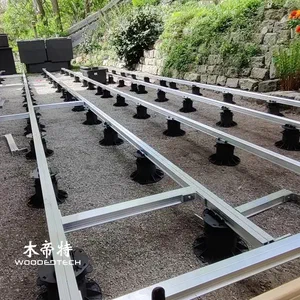 Composite decking in black: 2026 Guide for Industrial Projects
Related Products
 GD13820 M Shape Co Extruded Composite Deck Planks Feature a Special Profile Design for Distinctive Outdoor Decking Applications
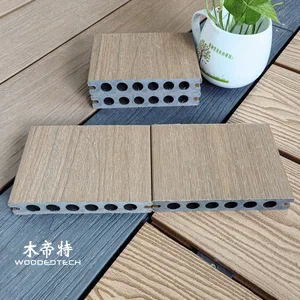 GD13823 Double Sided Flat Surface Co Extruded WPC Decking Features a Popular Width and Thickness with Round Hollow Structure
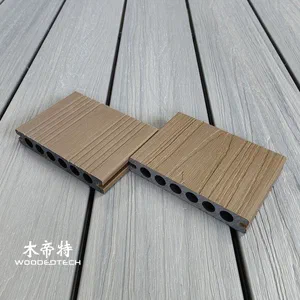 GD13823-3 Teak TK Co Extruded Decking Is a Popular Choice from Composite Decking Suppliers for Outdoor Flooring Projects