
Composite Floor Decks: Industrial Applications, Benefits, and Selection Criteria
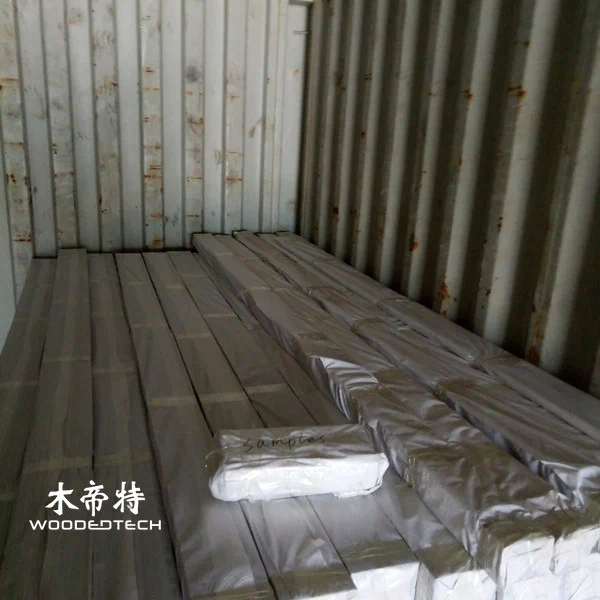
Composite floor decks are widely used in industrial and commercial environments where durability, weather resistance, and predictable maintenance costs matter. Wood plastic composite decking offers a practical alternative to natural timber, traditional wood, and aluminum flooring, but the right choice depends on traffic loads, exposure conditions, fire safety requirements, and the expected service life of the installation.
Industrial Applications of Composite Floor Decks
Industrial composite decking is suitable for outdoor walkways, factory access platforms, commercial terraces, warehouse surroundings, pedestrian bridges, and facility maintenance areas when the product and supporting structure are engineered for the intended loads. In commercial properties, it can also provide an attractive, wood-like finish for rooftop walkways, hospitality spaces, and public seating areas.
Outdoor WPC decking combines wood fibers or wood flour with thermoplastics and additives. Its composition helps reduce moisture absorption, splintering, and routine surface treatment compared with untreated timber. However, standard residential decking should not automatically be specified for industrial platforms. Buyers need verified load capacity, span limits, fastening requirements, slip resistance, and fire performance appropriate to the application.
Comparing WPC with Timber, Aluminum, and Other Materials
Each exterior flooring material has different performance and cost characteristics. Natural wood offers authentic grain and can be repaired or refinished, but it may require regular sealing, staining, or replacement of weather-damaged boards. Pressure-treated timber is often economical initially, although maintenance and moisture-related deterioration can increase long-term expenses.
WPC composite decking generally requires less maintenance than conventional timber and provides consistent colors and textures. Capped composite boards have a protective outer layer that can improve resistance to stains, fading, and moisture, depending on product quality. Nevertheless, composite boards can expand and contract with temperature changes, and some formulations may become hot under direct sunlight or lose stiffness under excessive loads.
Aluminum decking offers high strength-to-weight performance, corrosion resistance when appropriately specified, and noncombustible construction. It can be suitable for demanding industrial environments, although material and installation costs may be higher, and its metallic appearance or thermal behavior may not suit every project. Concrete and ceramic or porcelain pavers are other options for heavy-duty areas, offering robust surfaces but potentially requiring more structural support, careful drainage, or specialized installation.
Maintenance Requirements and Lifecycle Costs
Initial purchase price alone does not determine the most economical material. A lifecycle cost assessment should include material supply, substructure, installation labor, cleaning, inspections, repairs, replacement, and disposal over the intended service period.
- WPC: Usually needs periodic cleaning and inspection of fasteners, joints, drainage, and supporting components. It generally avoids routine staining and sealing.
- Natural and treated timber: Requires inspection for rot, splinters, insect damage, loose fixings, and surface deterioration, with protective treatments as appropriate.
- Aluminum: Typically needs cleaning and checks for corrosion, coating damage, connections, and structural movement.
- Concrete and pavers: Require checks for cracking, settlement, drainage problems, and joint deterioration.
For accurate comparisons, request supplier quotations and maintenance assumptions for the same project area, loading conditions, and analysis period. A cheaper board may become more expensive if it needs closer support spacing, frequent repairs, or early replacement.
Selection Criteria for Industrial Buyers

Before specifying composite floor decks, confirm the operating environment, expected pedestrian or equipment loads, support spacing, temperature range, water exposure, and required service life. Evaluate slip resistance under wet conditions, UV stability, fire classification, chemical compatibility, and the availability of replacement boards. Where forklifts, heavy machinery, or concentrated loads are involved, obtain engineering approval rather than relying on general decking claims.
For large procurement projects, compare technical datasheets, warranty exclusions, production consistency, certification documents, and delivery capacity. A qualified wood plastic composite decking manufacturer should provide installation guidance, expansion allowances, fixing specifications, and test evidence relevant to the intended application.
FAQ
Q: Is WPC decking suitable for industrial applications?
A: Yes, for suitable walkways and platforms when the product has verified load capacity, appropriate support spacing, and the required slip and fire performance. Heavy machinery areas may require engineered metal or concrete systems.
Q: Is composite decking cheaper than natural wood over its lifetime?
A: It can be, because routine sealing and staining are generally unnecessary. Actual savings depend on purchase price, installation requirements, product quality, maintenance, and replacement intervals.
Q: How should buyers choose between WPC and aluminum decking?
A: Choose WPC when a wood-like appearance and lower routine maintenance are priorities. Consider aluminum where noncombustibility, structural performance, or demanding industrial conditions are decisive, subject to project-specific engineering.
Related Articles
Related Products
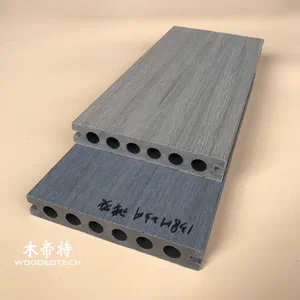 GD13823 Composite Decking Material Features Six Small Round Holes to Reduce Weight While Maintaining Structural Strength
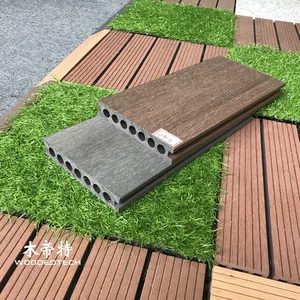 GD13823-2 Wood Versus Composite Decking Features Seven Round Holes with Wood Grain and Brushed Textures on Opposite Sides
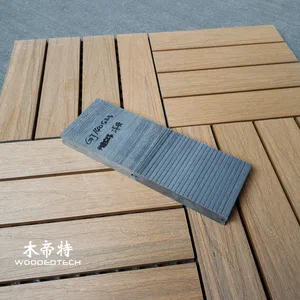 GD14023S Composite Deck Materials Feature a Solid Structure and Side Grooves for Better Adaptability in Extremely Cold Climates