
Composite Extension Solutions: Industrial Applications, Benefits, and Selection Criteria
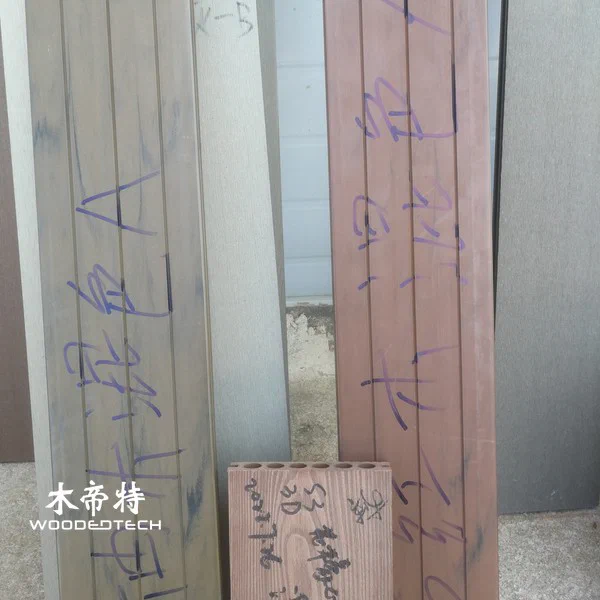
Composite extension solutions provide engineered wood-plastic composite (WPC) profiles and components for a wide range of industrial, commercial, and outdoor construction applications. By combining wood fibers or wood flour with thermoplastic polymers, WPC materials offer a practical alternative to conventional timber, particularly in projects that require weather resistance, consistent dimensions, low maintenance, and long service life.
Industrial Applications of Composite Extension Solutions
Composite extension products are manufactured in different shapes, dimensions, colors, and surface finishes to meet specific project requirements. Their versatility makes them suitable for more than traditional decking and fencing. Depending on the formulation, extrusion process, and structural design, WPC profiles can be used in exterior building systems, landscape infrastructure, outdoor furniture, and architectural features.

In industrial and commercial construction, WPC components are commonly selected for applications exposed to moisture, sunlight, and frequent use. Typical products include decking boards, wall cladding panels, decorative louvers, privacy screens, fencing profiles, railing systems, and custom extrusion components.
For manufacturers and project contractors, custom composite extrusion profiles offer additional flexibility. They can be developed with specific cross-sections, wall thicknesses, internal reinforcement structures, and connection systems to accommodate different installation conditions.
Outdoor Applications Across Different Environments
Residential Gardens and Private Landscapes
Residential gardens are among the most common applications for outdoor WPC products. Composite decking can create patios, garden pathways, outdoor seating platforms, and transitions between indoor and outdoor living spaces. WPC fencing and decorative screens provide privacy while maintaining a consistent architectural appearance.
For garden projects, we recommend selecting UV-resistant decking with a suitable anti-slip surface. Hollow profiles can help reduce material weight, while solid boards may be more appropriate for certain demanding installations. Composite pergolas, planter boxes, and garden benches can also be incorporated into a coordinated outdoor design.
Commercial Landscapes, Hotels, and Resorts
Commercial landscapes require materials that can withstand frequent pedestrian traffic while maintaining an attractive appearance. Hotels, resorts, shopping centers, restaurants, and office developments often use composite decking around outdoor dining areas, walkways, terraces, and landscaped public spaces.
For these environments, capped WPC decking is worth considering. Its protective outer layer can improve resistance to moisture, staining, and surface wear, depending on the product specification. Consistent color production and relatively low maintenance requirements also help property operators manage large outdoor areas.
Hotels and resorts can extend the same material concept to poolside platforms, balcony flooring, decorative wall panels, and outdoor furniture. Coordinating decking, cladding, and railing profiles creates a more unified visual identity across the property.
Parks and Public Recreation Areas
Public parks, waterfront promenades, pedestrian walkways, and recreational facilities place considerable demands on exterior construction materials. Products must accommodate repeated use, changing weather conditions, and regular cleaning.
WPC decking can be used for selected pedestrian platforms, viewing areas, boardwalks, and landscape transitions. WPC park benches, composite fencing, and outdoor decorative screens provide additional application possibilities.
For public infrastructure, material selection should prioritize load capacity, slip resistance, drainage, dimensional stability, and resistance to environmental exposure. Where the installation involves elevated platforms or substantial structural loads, the supporting framework must be independently engineered. WPC should not automatically be treated as a substitute for structural steel, reinforced concrete, or certified load-bearing timber.
Balconies and Residential Terraces
Balconies and terraces benefit from composite flooring because WPC boards provide a wood-like appearance without requiring the same routine painting or staining associated with conventional timber.
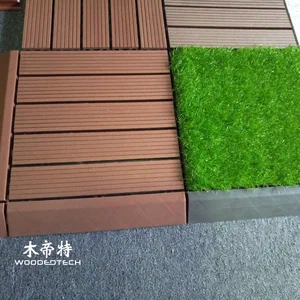
For smaller balconies, interlocking composite deck tiles can simplify installation and replacement. For larger terraces, conventional decking boards installed over an appropriately designed substructure generally provide greater flexibility in layout and drainage.
Installers should account for drainage outlets, ventilation, perimeter clearances, and the thermal expansion of composite materials. These details are particularly important in exposed locations with significant temperature fluctuations.
Swimming Pool Areas
Swimming pool surroundings are demanding applications because decking is regularly exposed to water, cleaning chemicals, sunlight, and wet-foot traffic.
WPC pool decking can provide a comfortable, wood-like surface while reducing the maintenance associated with natural timber. However, not every composite board is suitable for poolside installation.
We recommend evaluating:
- Wet-condition slip resistance and surface texture.
- Water absorption and moisture-related dimensional changes.
- Resistance to chlorine, pool chemicals, and cleaning products.
- UV stability and long-term color retention.
- Drainage gaps and ventilation beneath the decking.
- Surface temperature under direct sunlight.
Poolside installations should use products specifically tested and approved for the intended wet environment. Slip resistance must be assessed under relevant test conditions rather than assumed from surface appearance alone.
Benefits of WPC in Outdoor Construction
WPC offers several practical advantages over conventional wood, although actual performance depends on the material formulation, manufacturing quality, and installation method.
Its main benefits include:
- Weather resistance: Properly formulated outdoor WPC products can withstand rain, humidity, and seasonal environmental changes.
- Reduced maintenance: Composite surfaces generally do not require regular painting, staining, or wood-preservative treatment.
- Design flexibility: Extrusion technology supports different profile geometries, textures, colors, and decorative finishes.
- Consistent appearance: Controlled manufacturing helps maintain dimensional and visual consistency across large projects.
- Resource efficiency: Many WPC formulations incorporate recycled plastics and recovered wood materials, supporting more efficient material use.
- Application versatility: Decking, fencing, cladding, louvers, pergolas, and outdoor furniture can be developed using related composite material systems.
It is important to distinguish between general material advantages and verified product performance. Fire behavior, structural capacity, UV resistance, and slip resistance should always be evaluated using the relevant test reports and product certifications.
Selection Criteria for Composite Extension Products
Choosing the right composite extension solution requires more than comparing appearance and unit prices. Buyers should assess the installation environment, expected service conditions, product specifications, and long-term project requirements.
First, identify the intended application. Residential decking, commercial walkways, poolside flooring, and exterior wall cladding require different performance characteristics. A product designed for decorative wall applications should not be selected for pedestrian flooring without appropriate testing.
Second, examine the material composition and manufacturing process. Wood-plastic composite formulations vary in polymer type, wood content, additives, and protective coatings. Co-extrusion technology can provide an additional protective surface layer, making it a useful option for demanding outdoor applications.
Third, evaluate profile construction. Solid and hollow decking boards have different weight, material consumption, and installation characteristics. Wall thickness, internal rib design, profile dimensions, and fastening compatibility should match the intended support spacing and loading conditions.
Fourth, consider environmental exposure. Projects in coastal regions, high-temperature climates, or areas with heavy rainfall may require enhanced UV protection, corrosion-resistant accessories, and carefully designed drainage systems.
Finally, evaluate the manufacturer’s technical capabilities. Reliable suppliers should provide product samples, dimensional drawings, installation instructions, material specifications, and relevant performance test reports. For large commercial projects, OEM manufacturing and custom extrusion services can help achieve consistent product specifications across multiple construction phases.
Professional Installation and Project Planning
Even high-quality composite materials can underperform when installation details are overlooked. Before construction begins, the project team should confirm substrate conditions, joist spacing, fixing methods, expansion allowances, ventilation, and water drainage.
WPC decking should be installed with the manufacturer’s recommended clips or fasteners, maintaining the specified gaps between boards and at fixed boundaries. Exterior wall cladding requires a suitable supporting framework, appropriate ventilation, and installation details that accommodate thermal movement.
For hotels, parks, commercial terraces, and other high-traffic environments, a full installation review is particularly important. Structural support, pedestrian safety, fire requirements, accessibility, and local building regulations should be addressed before materials are approved.
Working with an experienced WPC manufacturer can simplify material selection, custom profile development, and technical coordination. By matching extrusion design, material formulation, surface treatment, and installation requirements to the actual application, project owners can achieve durable and visually consistent composite solutions across a wide range of outdoor environments.
Related Articles
Related Products
 F35055 Extra Wide Thick Plastic Wood Panels Are Suitable for Outdoor Tabletop Surface Applications
 F6040 Four Sides Flat Exterior WPC Profile Provides Versatile Solutions for Various Outdoor Decorative Uses
 Y5030-2 Hollow Structure Composite Deck Joist Provides Lightweight Support for Modern Decking Projects