
Composite Decks Cost: 2026 Pricing Analysis and Key Industrial Factors
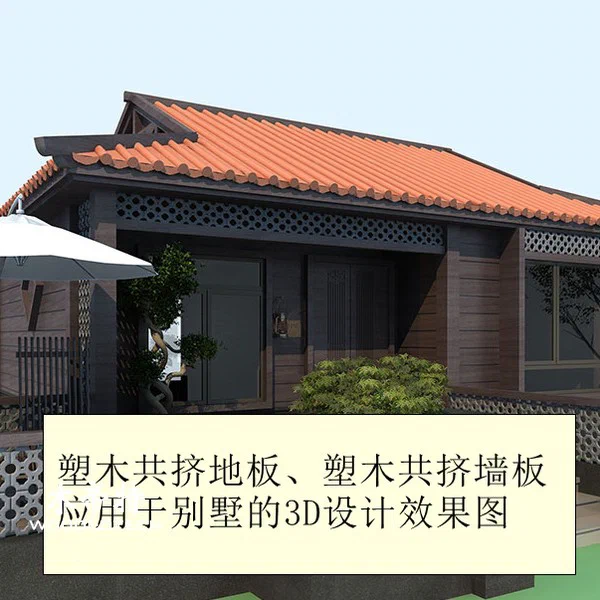
Composite decking prices in 2026 reflect more than the cost of wood-plastic composite (WPC) boards. Material formulation, manufacturing technology, recycled polymer availability, regional labor costs, logistics, and product specifications all influence the final price. For international buyers, distributors, contractors, and building material importers, understanding these factors is essential to evaluating suppliers, controlling procurement costs, and identifying profitable opportunities in the global outdoor building materials market.
2026 Composite Decking Cost: Market Pricing and Product Categories
The composite decking market continues to develop as residential renovation, commercial landscaping, and outdoor living projects create demand for durable, low-maintenance alternatives to traditional timber. In the US market, composite decking materials generally cost around $5–$18 per square foot, depending on composition and quality. Professionally installed projects can range from approximately $30 to $80 per square foot or more, depending on structural requirements, design complexity, and local labor rates. These figures are indicative rather than universal wholesale quotations.
Product positioning has become an important pricing factor. Entry-level uncapped composite boards compete primarily on affordability, while capped composite decking offers improved surface protection, moisture resistance, and color retention. Premium co-extrusion products incorporate an additional protective polymer layer, making them attractive for demanding outdoor environments.
The main product categories include:
- Uncapped WPC decking: A cost-effective option for residential gardens and general outdoor applications.
- Capped composite decking: A higher-value product with enhanced surface protection and weather resistance.
- Co-extrusion decking: A premium category featuring protective outer layers and improved resistance to staining and fading.
- Solid composite decking: Suitable for applications requiring greater structural strength.
- Hollow composite decking: Offers reduced material consumption and easier handling for many residential projects.
For international wholesalers, offering several quality levels allows businesses to serve different customer segments without relying on a single price-sensitive product category.
Key Industrial Factors Affecting Composite Decking Prices
Raw material costs remain one of the most important determinants of composite decking prices. WPC manufacturers typically combine wood flour or fibers with thermoplastic polymers such as HDPE, polypropylene, or other suitable plastics. The proportion and quality of each ingredient directly affect production costs, board density, mechanical performance, and surface appearance.
Recycled plastic availability is another important consideration. Manufacturers with reliable recycling partnerships and efficient material processing can improve cost stability while supporting sustainability objectives. However, recycled materials must meet consistent quality requirements to avoid variations in color, strength, and dimensional stability.
Manufacturing technology also creates significant price differences. Extrusion equipment, production speed, mold precision, surface embossing, and co-extrusion capabilities influence both production efficiency and finished-product quality. Advanced manufacturing facilities can produce realistic wood-grain textures, consistent dimensions, and protective surface layers, allowing suppliers to compete in higher-value market segments.
Other industrial cost factors include:
- Energy consumption during extrusion and cooling.
- Labor expenses and factory operating costs.
- Packaging materials and quality inspection.
- International freight, insurance, and customs duties.
- Currency fluctuations and regional trade policies.
For B2B purchasers, the lowest factory quotation does not necessarily represent the best commercial value. Consistent specifications, production capacity, delivery reliability, and warranty support should also influence supplier selection.
Global Market Trends: From Decking to Complete Outdoor Systems
The global outdoor building materials industry is moving beyond individual decking products toward coordinated outdoor living solutions. Buyers increasingly seek matching materials for decking, WPC wall cladding, composite fencing, pergolas, privacy screens, and landscape furniture.
This shift creates opportunities for manufacturers capable of supplying complete product collections. For example, a distributor purchasing composite deck boards may also require matching railing systems, fence panels, exterior wall panels, and decorative louvers. Consolidating these products through one manufacturer can simplify procurement, reduce coordination costs, and create more consistent project designs.
Regional demand patterns also influence product development. North American buyers place considerable emphasis on durability, low maintenance, outdoor entertainment spaces, and premium residential renovations. European markets place greater attention on environmental performance, product documentation, and sustainable material sourcing. In Asia-Pacific, urban development, hospitality projects, and expanding residential construction support demand for versatile exterior materials.

Several product trends are particularly relevant in 2026:
- Natural wood aesthetics: Realistic grain patterns, embossed finishes, and natural colors are increasingly important purchasing considerations.
- Co-extrusion technology: Protective surface layers help manufacturers differentiate premium products.
- Sustainable materials: Recycled polymers and responsibly sourced wood fibers support demand for more environmentally conscious construction materials.
- Modular outdoor systems: Interlocking deck tiles, prefabricated pergolas, and modular fencing simplify installation.
- Coordinated exterior design: Matching decking, cladding, fencing, and landscaping products create opportunities for bundled B2B sales.
Future Opportunities for International Manufacturers and Distributors
One of the strongest commercial opportunities is the expansion of premium WPC products. Although entry-level decking remains important, buyers increasingly evaluate products according to service life, maintenance requirements, appearance, and long-term performance rather than initial purchase price alone.
Manufacturers can improve their market positioning by investing in capped composite decking, advanced co-extrusion technology, UV-resistant formulations, anti-slip surfaces, and improved color consistency. These features create opportunities to serve residential developers, hotels, resorts, commercial landscaping contractors, and infrastructure projects.
Another promising direction is customized manufacturing. International distributors frequently require specific board dimensions, colors, surface textures, packaging formats, and branding. OEM and private-label services allow manufacturers to develop long-term relationships with importers while reducing direct competition based solely on standard product pricing.
Product diversification also offers considerable potential. WPC wall cladding, composite fencing, pergolas, decorative screens, planters, and outdoor furniture can increase average order values and create additional revenue streams. Suppliers that integrate these categories into coordinated collections may become more attractive partners for large distributors and project contractors.
Sustainability will remain an important competitive consideration. Manufacturers should improve recycled material traceability, optimize production waste, and provide reliable technical documentation. Environmental claims should be supported by verifiable product information and relevant certifications rather than general marketing statements.
How B2B Buyers Can Evaluate Composite Decking Suppliers in 2026
For importers and wholesalers, purchasing decisions should consider total procurement value rather than factory price alone. A competitive quotation needs to specify material composition, board dimensions, weight, surface treatment, tolerances, packaging, minimum order quantity, and delivery terms.
Product testing is equally important. Buyers should request relevant information on water absorption, slip resistance, UV exposure, impact performance, thermal expansion, and load-bearing capacity. Testing requirements should reflect the intended application and local building regulations.
It is also worth comparing suppliers based on production flexibility and export experience. Manufacturers offering stable bulk production, customized extrusion profiles, reliable lead times, and consistent quality control can help distributors manage inventory and maintain customer confidence.
For businesses entering the outdoor building materials market, 2026 offers opportunities across both standard composite decking and higher-value exterior product systems. Suppliers that combine competitive manufacturing costs with advanced WPC technology, customization capabilities, and diversified product portfolios are well positioned to capture demand from international construction and landscaping markets.
Related Articles
Related Products
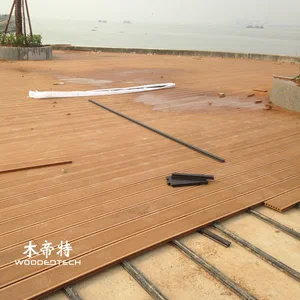
 D15035 Hollow Square Hole WPC Deck Offers Double Grooved Surfaces with Unique Thickness Design for Outdoor Applications
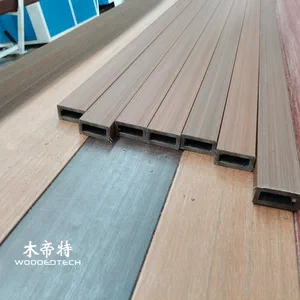
 Y5030-2 Hollow Structure Composite Deck Joist Provides Lightweight Support for Modern Decking Projects
 GD13825 capped composite decking with 2.5cm thickness and grooved surface provides high quality outdoor flooring performance