
Composite decking wood combines natural appearance with durable outdoor performance
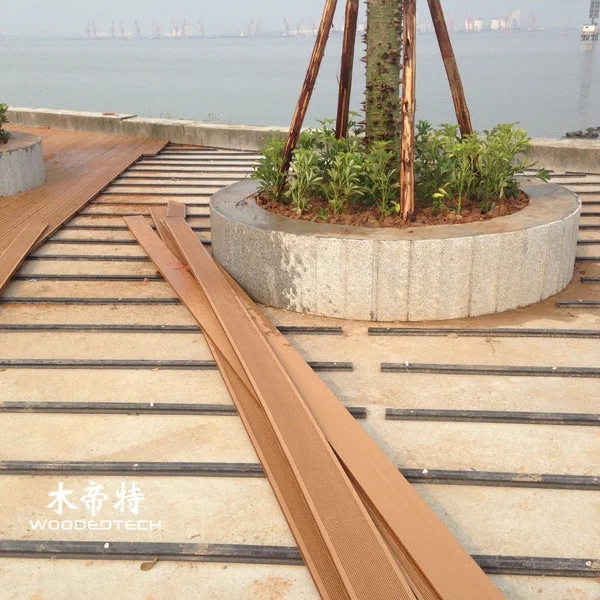
Composite decking wood offers the look of natural timber with the practical benefits of a modern exterior material. For balconies, terraces, pool decks, and garden walkways, it is often chosen because it balances appearance, durability, and lower upkeep better than many traditional options.
How it compares with natural wood and timber
Natural wood has a warm, authentic grain that many buyers still prefer, especially for premium residential projects. The tradeoff is clear: real wood weathers, absorbs moisture, and needs regular sealing, staining, or oiling to stay presentable outdoors. In humid or high-rain environments, maintenance can become frequent and costly.
Traditional timber can be easier to source at a lower initial price, but lifecycle cost is not just the purchase invoice. Boards may crack, warp, splinter, or fade, and replacement labor adds up over time. Composite decking wood is engineered to resist these issues better, giving specifiers a more predictable service life.
How it compares with aluminum and other exterior materials
Aluminum performs very well in strength, fire resistance, and dimensional stability. It is a strong choice for commercial applications, but it feels colder underfoot and does not deliver the same wood-like visual comfort. It can also be noisier in use and usually costs more upfront than standard composite decking.

Concrete, stone, and ceramic outdoor tiles offer durability, but they bring other compromises. They can be heavy, harder to install, and less forgiving in wet conditions unless carefully textured. Composite decking sits between these extremes: lighter than masonry, more comfortable than metal, and more consistent than natural timber.
Advantages, disadvantages, and maintenance
Composite decking wood typically offers:
- Better resistance to rot, insects, and moisture than natural wood
- A more stable surface with less splintering and cracking
- Color and texture options that mimic timber
- Lower day-to-day maintenance than painted or stained timber
Its limits are worth noting:
- Higher upfront cost than basic softwood
- Surface heat can be noticeable in direct sun
- Some products may show fading or staining if quality is poor
- It does not fully replicate the character of real timber
Maintenance is usually simple: regular sweeping, occasional washing with mild soap, and prompt cleaning of spills. Unlike timber, it does not normally need sanding, oiling, or repainting, which reduces labor and downtime on larger exterior projects.
Lifecycle cost and material selection
If you compare only purchase price, wood often looks cheaper. If you compare installation, annual maintenance, repairs, and replacement frequency, composite decking wood is often the better value over a 10- to 20-year project cycle. This is especially true for commercial sites, hospitality decks, and homes where consistent appearance matters.
For buyers choosing between outdoor materials, the key question is not just what looks best on day one, but what will still look good after years of sun, rain, and foot traffic. That is where composite decking wood usually delivers the strongest return.
FAQ
Q: Is composite decking wood better than natural wood for outdoor use? A: For most exterior projects, yes. It needs less maintenance, handles moisture better, and stays more stable over time.
Q: What is the main drawback of composite decking? A: The main drawback is the higher upfront cost compared with basic timber. Some lower-grade products can also fade or stain more easily.
Q: How often does composite decking need maintenance? A: Usually only routine cleaning is needed. Sweeping and washing with mild soap are enough for most installations.
Related Articles
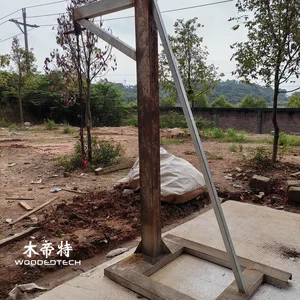 Is composite decking worth it for homeowners looking for low maintenance outdoor flooring
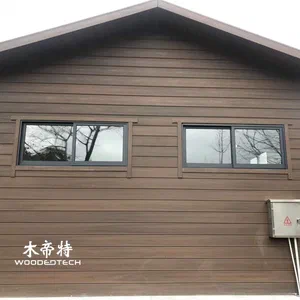 10 x 16 composite deck cost depends on design materials and installation requirements
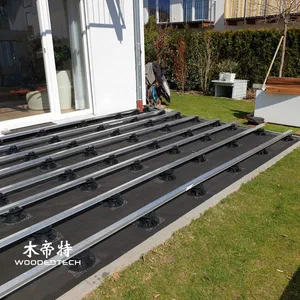 quality composite decking delivers reliable outdoor flooring solutions with long lasting performance
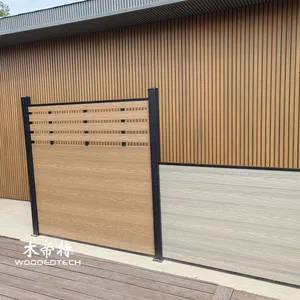 Fake Wood Deck Cost Compared with Traditional Wood Decking Solutions
Related Products
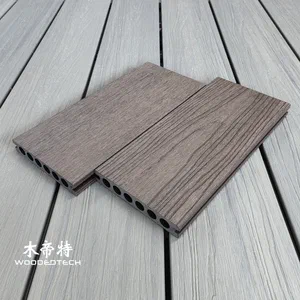 3DGD13823 Second Generation 3D Embossed Rosewood Composite Balcony Decking Delivers Ultra Realistic Wood Grain Texture and a Premium Natural Wood Experience
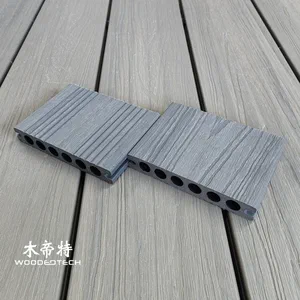 GD13823-3 Light Grey Premium Co Extrusion WPC Composite Decking Offers LG Texture and Excellent UV Resistance for Outdoor Spaces
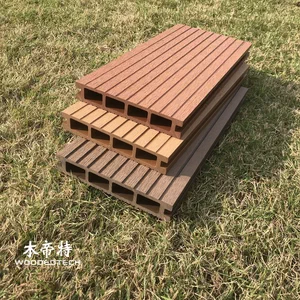 D14025-3 Square Hole Double Sided Grooved WPC Board Factory Producing Outdoor Decking Boards With Good Slip Resistance