
Composite Decking with Pool Applications: Performance, Safety, and Durability
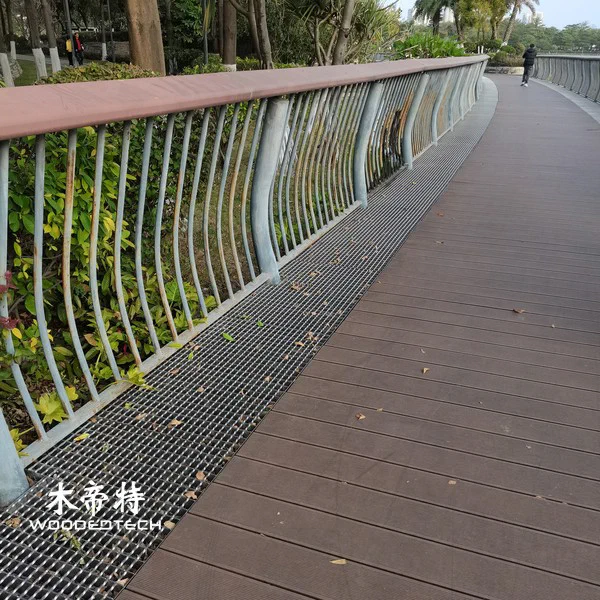
Composite decking is a practical flooring solution for swimming pool surroundings, offering a wood-like appearance with lower maintenance requirements than traditional timber. When properly specified and installed, WPC composite decking can provide a comfortable, durable, and attractive surface for residential and commercial pool environments. Its performance depends on material composition, surface treatment, drainage design, and installation quality.
Why Composite Decking Works for Pool Applications
Swimming pool areas present demanding outdoor conditions. Decking is regularly exposed to splashing water, humidity, sunlight, pool chemicals, and temperature changes. Traditional timber may absorb moisture, develop cracks, or require frequent sealing and repainting. WPC composite decking is designed to reduce these maintenance concerns by combining wood fibers with thermoplastic polymers and functional additives.
For poolside projects, material selection should focus on moisture resistance, slip performance, dimensional stability, and long-term durability. Capped composite decking is particularly suitable for applications where frequent water exposure and easier cleaning are priorities. Its protective outer layer helps reduce moisture penetration, surface staining, and fading.
However, composite decking should not automatically be considered waterproof or slip-proof. Product performance varies between manufacturers and surface designs. Buyers should request technical specifications and test reports relevant to the intended installation environment.
Key Performance Requirements for Poolside Decking
Slip resistance is one of the most important considerations when selecting pool decking. Water, sunscreen, and poolside contaminants can make outdoor flooring slippery, especially in frequently used areas. Choose composite boards with a textured or embossed surface designed to improve traction under wet conditions. Ask suppliers for wet-condition slip-resistance test results rather than relying solely on surface appearance.
Moisture resistance is equally important. Although WPC contains polymer materials, its wood fiber content and internal structure can still influence water absorption and dimensional stability. Co-extrusion decking with a protective polymer shell is a useful option for swimming pool environments because the outer layer provides additional protection against moisture, stains, and surface wear.
UV resistance also deserves attention, particularly for outdoor pools in regions with strong sunlight. Prolonged UV exposure can cause color changes and surface aging. High-quality composite decking formulated with UV stabilizers can maintain its appearance more effectively over time. For commercial projects, request weathering test data and color-stability information before specifying a product.
Thermal performance should not be overlooked. Composite decking can become hot under direct sunlight, depending on its color, formulation, and surface temperature characteristics. Lighter board colors may help reduce heat absorption compared with darker alternatives, although actual temperatures vary with environmental conditions. For barefoot pool areas, request surface-temperature data where available and consider shaded sections.

Recommended Poolside Applications
In residential gardens, composite decking creates a clean transition between the swimming pool, lawn, outdoor seating, and garden pathways. Homeowners can use it to build pool surrounds, sunbathing platforms, outdoor steps, and connecting walkways. A consistent decking color and board direction can help create a unified outdoor design. For private pools, capped WPC boards are worth considering because they are easier to maintain in areas exposed to regular splashing.
Hotels and resorts require materials that combine appearance, durability, and manageable maintenance. Pool decks in these environments experience frequent foot traffic, furniture movement, cleaning, and prolonged exposure to water. Commercial-grade composite decking with suitable load-bearing capacity and documented wet-slip performance is recommended. Designers can also coordinate decking with outdoor furniture, pool bars, lounge platforms, and landscaped relaxation zones.
Public swimming pools and recreational facilities require particular attention to safety and structural performance. Material specifications should reflect expected pedestrian loads, accessibility requirements, local building codes, and maintenance procedures. Commercial projects should prioritize tested products, reliable fixing systems, and adequate substructure support.
For balconies and elevated pool terraces, lightweight construction and drainage planning are essential. Before installation, engineers should verify the existing structure’s load capacity, waterproofing condition, and drainage arrangements. Composite decking can be installed over an appropriate supporting framework, but it must not obstruct drainage outlets or compromise the underlying waterproof membrane.
Professional Installation Recommendations
Correct installation has a direct influence on the service life and performance of poolside composite decking. A properly designed substructure should provide sufficient support, ventilation, and water drainage. Joist spacing must follow the decking manufacturer’s specifications and account for expected loads and installation conditions.
Allow the specified expansion gaps between boards and at the perimeter. WPC materials expand and contract with temperature changes, so insufficient clearance can cause buckling, deformation, or pressure at board connections. In pool environments, installers should also ensure that water can drain freely beneath the decking rather than collecting around the supporting structure.
Use corrosion-resistant stainless steel or other manufacturer-approved fasteners suitable for humid and chemically exposed environments. Hidden fastening systems can create a clean surface appearance, while compatible edge trims and finishing profiles improve the overall installation quality.
Pool edges, steps, and access points require additional planning. Avoid sharp exposed corners and uneven transitions that could create tripping hazards. Where the decking meets the pool coping, maintain the required movement and drainage clearances without interfering with the pool’s structural waterproofing system.
Maintenance and Long-Term Durability
One advantage of WPC composite decking is its relatively low maintenance requirement. Routine cleaning with water, a soft brush, and a suitable mild detergent can remove dirt, sunscreen residue, and everyday surface contaminants. Avoid aggressive cleaning chemicals unless they are specifically approved by the manufacturer.
Pool chemicals, particularly chlorine-based products and concentrated cleaning agents, should not be allowed to remain on the decking surface for extended periods. Rinse accidental spills promptly and follow the supplier’s cleaning recommendations. Regularly inspect fasteners, board connections, drainage channels, and supporting joists to identify potential problems before they affect the installation.
For commercial swimming pools, establish a scheduled inspection and cleaning program based on traffic levels and operating conditions. This helps maintain surface appearance, identify loose components, and support consistent safety performance.
Selecting the Right WPC Decking for Your Project
When sourcing composite decking for pool applications, buyers should evaluate more than price and appearance. Important selection criteria include:
- Material composition: Check the wood-polymer formulation and product consistency.
- Surface treatment: Consider capped or co-extrusion decking with suitable textured finishes.
- Slip resistance: Request independent wet-condition test reports.
- Moisture performance: Review water absorption and dimensional stability data.
- UV resistance: Check weathering and color-retention test results.
- Structural capacity: Confirm board specifications, joist spacing, and load-bearing performance.
- Installation support: Ensure compatible clips, screws, edge trims, and technical guidance are available.
For distributors, contractors, landscape designers, and hotel developers, working with an experienced WPC manufacturer can simplify product selection and project coordination. A reliable supplier should provide technical documentation, installation recommendations, consistent production quality, and customization options for different project requirements.
Composite decking can support attractive and functional swimming pool environments when the material and installation system are selected correctly. By prioritizing wet-condition safety, moisture protection, UV stability, structural support, and practical maintenance, project owners can create poolside spaces that remain comfortable and visually appealing through years of outdoor use.
Related Articles
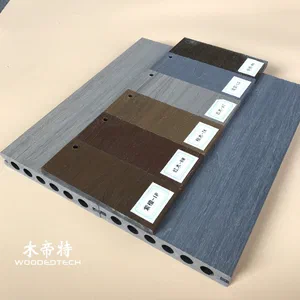 Composite Deck Lifespan: Key Factors Affecting Durability and Long-Term Performance
 Engineering Considerations for Composite Deck Around Inground Pool Projects
 Composite Deck Around Inground Pool: Materials, Benefits, and Installation Considerations
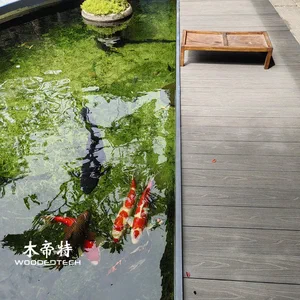 Anti-Slip WPC Composite Pool Decking for Premium Safety and Durability
Related Products
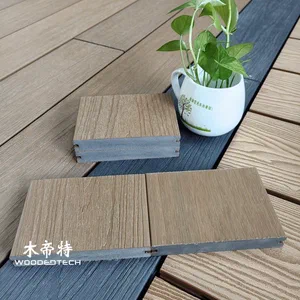 The GD14020S Composite Decking on Sale Features a Solid Core Structure Designed to Withstand Extreme Outdoor Temperature Changes and Freezing Conditions
 D15035 Hollow Square Hole WPC Deck Offers Double Grooved Surfaces with Unique Thickness Design for Outdoor Applications
 Y5030-2 Hollow Structure Composite Deck Joist Provides Lightweight Support for Modern Decking Projects